Skip to content
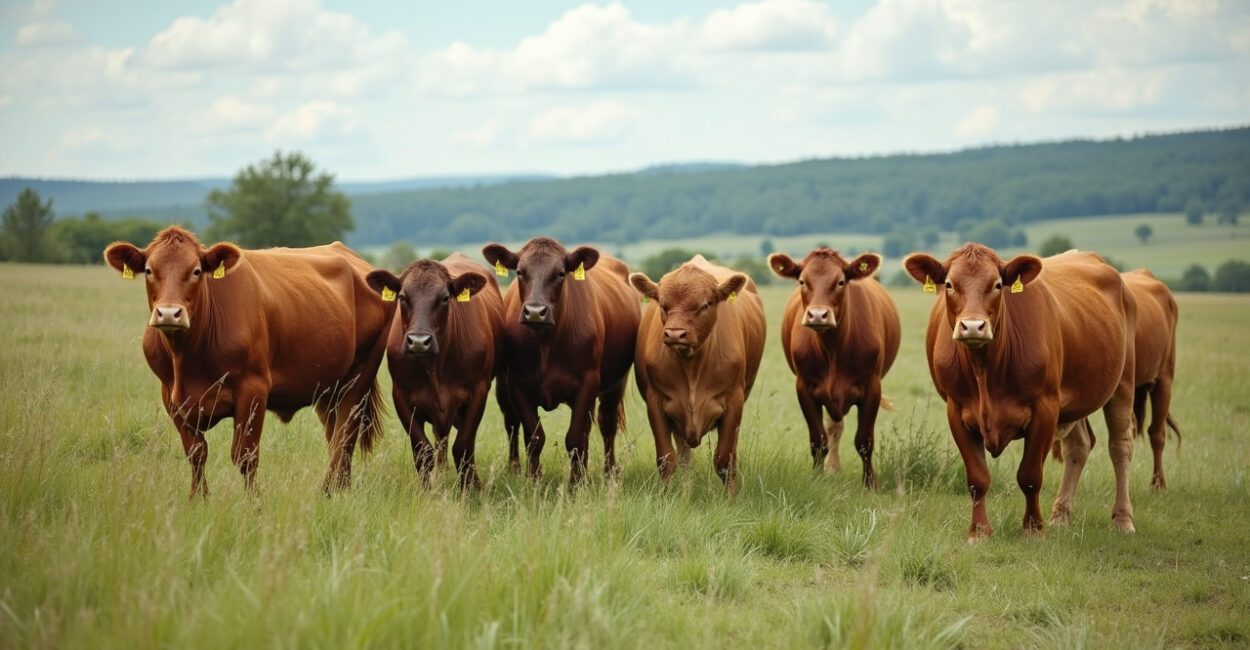
Pasture management cattle ranching is essential for productive, sustainable herds and healthy grasslands. Effective pasture management improves forage quality, optimizes carrying capacity, and reduces costs, making it a cornerstone of successful cattle operations. To get started, assess soil health, stocking rates, and grazing patterns to align pasture practices with herd needs.
Many ranchers face degraded pastures, uneven forage distribution, and fluctuating market pressures. Addressing these challenges with rotational grazing, soil fertility programs, and appropriate fencing can restore productivity and resilience. This article explains proven strategies, planning tools, and management techniques to maximize herd performance while protecting pasture resources.
We’ll cover grazing systems, forage selection, soil fertility, water and infrastructure, herd management integration, monitoring and adaptive management, and economic planning. Practical examples, two comparative tables, three actionable lists, and authoritative links are included to help you implement pasture management cattle ranching strategies on your ranch.
Rotational Grazing Strategies for Pasture Management Cattle Ranching
Benefits of Rotational Grazing for Pasture Productivity
Rotational grazing increases forage utilization by moving cattle through paddocks on a schedule that matches plant recovery. This system improves pasture structure, encourages diverse species, and reduces soil erosion. By preventing continuous defoliation, plants develop deeper roots, enhancing drought resilience and carbon sequestration.
Stocking density and recovery periods are critical variables; higher density for short durations promotes trampling and nutrient distribution, while adequate rest periods allow regrowth. Implementing paddock maps and grazing calendars helps synchronize grazing with growth curves for optimal performance.
Rotational systems also support animal health by reducing parasite pressure and concentrating manure in limited areas for faster nutrient recycling. Combining rotational grazing with targeted supplementation can stabilize weight gains and improve overall herd productivity.
Designing Paddock Layout and Movement
Effective paddock design balances size, access to water, and forage distribution. Create smaller paddocks for intensive grazing phases and larger reserve paddocks for recovery. Consider topography and shade locations to minimize overuse of preferred areas and reduce soil compaction.
Fence lines, lanes, and cross-fencing should allow straight-line moves and flexible stocking adjustments. Mobile fencing and water systems increase operational flexibility and reduce labor. Map paddocks digitally or on paper to track rest periods and productivity.
Integrate sacrifice areas for wet seasons and plan gateways to facilitate cattle flow. Strategic layout reduces travel distance for stock, improving grazing efficiency and lowering energy expenditure for animals.
Monitoring and Adjusting Grazing Pressure
Monitor sward height, residual forage, and animal condition to determine when to move herds. Use simple tools like a rising plate meter or visual height targets to standardize decisions. Record grazing duration and rest intervals to refine stocking rate estimates over seasons.
Adjust stocking density with temporary increases or decreases based on forage growth rates. Consider stocker additions, backgrounding, or forage conservation such as bale grazing when surplus exists. Flexibility keeps pasture condition within target thresholds.
Combine pasture monitoring with soil tests and forage sampling to align grazing pressure with nutrient availability and forage quality, ensuring sustainable yields and consistent animal performance.
Forage Species Selection in Pasture Management for Cattle Ranching
Choosing Grasses and Legumes for Varied Climates
Select forage species that match your climate, soil type, and production goals. Cool-season grasses like ryegrass and fescue perform well in temperate zones, while warm-season grasses such as bermudagrass and native bluestems suit hotter regions. Legumes like clover and alfalfa boost protein and fix nitrogen.
Mixes of grasses and legumes increase seasonal productivity and forage quality. Consider drought tolerance, disease resistance, and grazing tolerance when selecting cultivars. Local extension services can provide region-specific recommendations and cultivar trials.
Use diversified plantings to extend the grazing season and reduce reliance on stored feed. Species diversity also improves soil structure and supports beneficial insects and microbial communities.
Establishing Pastures: Seeding, Drilling, and Renovation
Proper establishment determines long-term pasture success. Seedbed preparation, correct seeding rates, and appropriate planting windows are vital. Drilling ensures seed-to-soil contact and uniform stands, while broadcasting can be effective with light packing or companion cover crops.
Renovation techniques include interseeding legumes into existing stands, overseeding with improved cultivars, or full re-seeding when stands are heavily degraded. Timing renovations to favorable moisture and temperature reduces failure risk.
After seeding, manage grazing pressure to allow seedlings to establish, using temporary exclusion or light stocking. Follow-up weed control and fertility adjustments support stand vigor and persistence.
Managing Forage Quality and Seasonal Gaps
Forage quality influences intake and weight gain; balance energy and protein by mixing species and using management interventions like strategic fertilization. Monitor forage maturity and graze before lignification reduces digestibility, rotating cattle to maintain high-quality intake.
Address seasonal deficits with summer- and winter-active species, conserved forage, and stockpiled grazing. Planning seeding dates and species mixes helps smooth production across the year, reducing feed purchase needs.
Supplement strategically during low-quality periods, focusing on protein and energy to maintain rumen function and performance. Use feed testing to match supplements with actual forage deficiencies.
| Forage Type | Best Climate | Benefits |
|---|---|---|
| Perennial Ryegrass | Cool, temperate | High quality, quick regrowth |
| Bermudagrass | Warm, subtropical | Drought tolerant, durable |
| White Clover | Temperate | Fixes nitrogen, improves protein |
Soil Fertility and Nutrient Management for Pasture Health
Soil Testing and Interpreting Results
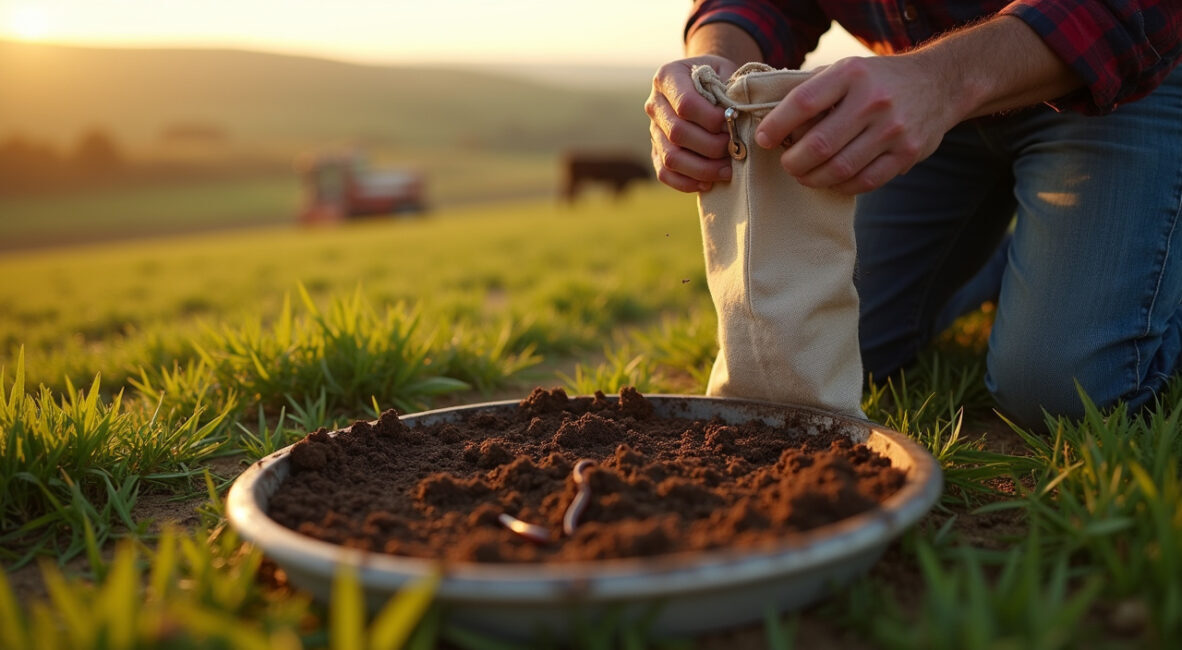
Regular soil tests reveal pH, phosphorus, potassium, and organic matter, guiding lime and fertilizer decisions. Collect representative composite samples by paddock to capture variability. Test every 2–3 years or before major renovations for reliable planning.
Interpret results with target values for forage species; many grasses prefer pH 6.0–7.0. Use extension recommendations to convert test numbers into application rates. Proper liming improves nutrient availability and microbial activity.
Tracking test trends helps evaluate corrective actions and avoid over-application of nutrients, minimizing input costs and environmental risks while sustaining pasture productivity.
Fertilizer Strategies and Grazing-adjusted Application
Match fertilizer timing to plant demand—apply nitrogen during active growth periods for cool- and warm-season grasses as appropriate. Consider split applications to reduce leaching and align with grazing rotations to maximize uptake. Use manure and compost to recycle nutrients.
Integrate legumes to reduce synthetic N needs and adopt variable-rate applications where soil variability exists. Balance potassium and phosphorus to maintain plant vigor and root development, especially after frequent defoliation.
Record yields and animal performance to evaluate return on fertilization investments. In intensive grazing systems, targeted fertility often yields higher per-acre returns than blanket applications.
Managing Soil Health and Organic Matter
Build soil organic matter through continuous living roots, diverse species, and minimized soil disturbance. Higher organic matter improves water holding capacity and nutrient cycling, supporting forage resilience in droughts and heavy use.
Practices like reduced tillage during renovation, cover cropping, and strategic manure application enhance soil biota and aggregate stability. Encourage earthworms and beneficial microbes by avoiding overuse of pesticides when possible.
Monitor soil compaction in high-traffic areas; aeration or strategic rest can restore infiltration and root growth. Healthy soils underpin sustainable pasture management cattle ranching efforts long-term.
Water, Fencing, and Infrastructure for Effective Cattle Ranching
Designing Water Systems and Trough Placement
Reliable water access is fundamental to grazing distribution. Place troughs centrally or in underutilized areas to encourage even forage use. Solar pumps, gravity-fed systems, and pipelines to portable troughs increase flexibility for rotational grazing layouts.
Ensure troughs are sized for peak demand and positioned to limit mud and contamination; hardened pads help maintain cleanliness and reduce erosion. Regular maintenance prevents downtime and disease spread.
Consider additional water points during dry seasons to reduce congregation at limited sources, improving pasture utilization and animal welfare while protecting riparian zones.
Fencing Options and Temporary Systems
Durable perimeter fencing combined with flexible internal cross-fences supports rotational grazing. Electric fencing—permanent or portable—offers cost-effective, easy-to-move options for subdividing paddocks and managing herd movements.
Design gates and lanes for safe cattle flow and equipment access. Use visual cues like flagging for temporary moves, and maintain fences to avoid escapes and predator vulnerabilities. Investment in reliable fencing reduces labor and stress on animals.
Portable panels and temporary water lines facilitate adaptive grazing, enabling quick responses to forage availability and allowing rest and recovery of paddocks with minimal infrastructure changes.
Handling Facilities and Low-stress Livestock Movement
Well-designed handling facilities improve safety and reduce stress, which supports weight gains and easier herd management. Funnels, curved alleys, and non-slip flooring encourage calm movement for treatments, weighing, and sorting.
Place handling areas near working lanes and with access to multiple paddocks to minimize travel time. Incorporate loading ramps and easy-to-clean surfaces to enhance efficiency and biosecurity.
Train cattle to move calmly with consistent routines and low-stress handling techniques; calmer animals use feed more efficiently and show better reproductive performance.
| Infrastructure | Typical Cost | Key Benefit |
|---|---|---|
| Permanent fencing | High | Durability, low maintenance |
| Portable electric fence | Moderate | Flexibility for rotation |
| Solar water pump | Moderate | Reliable off-grid water |
Herd Integration and Nutritional Management in Cattle Ranching
Matching Stocking Rates to Forage Supply
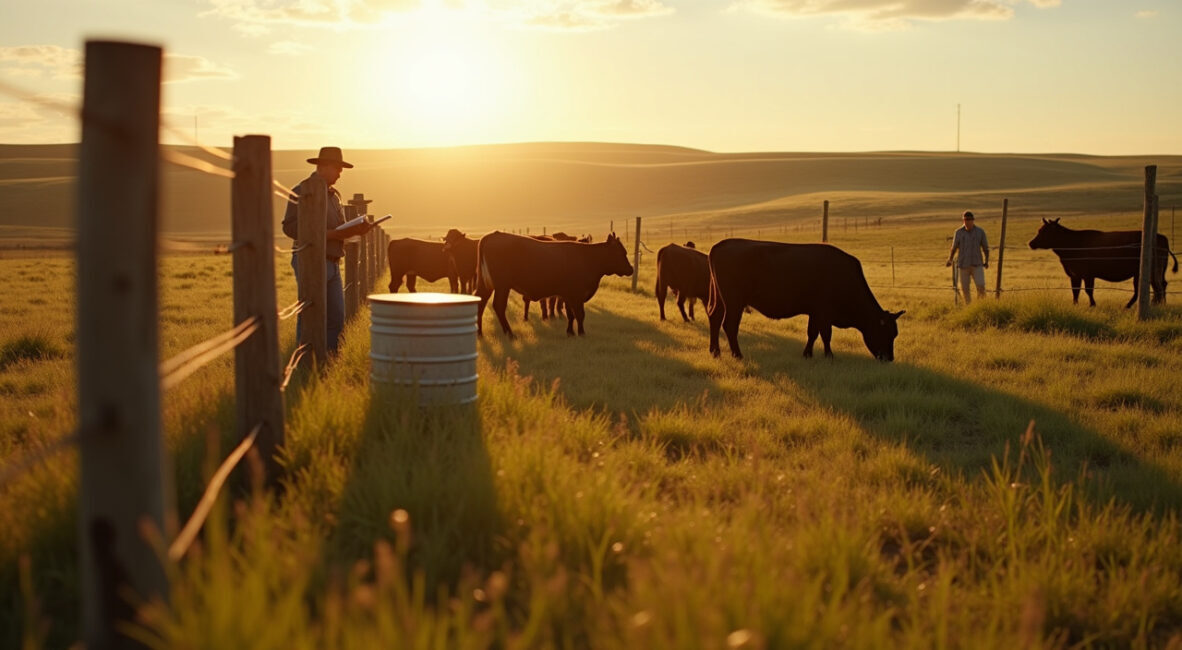
Accurate stocking rates balance animal numbers with pasture productivity to avoid overgrazing. Calculate carrying capacity from forage yield estimates, adjusting for seasonal growth and expected animal intake. Monitor body condition to ensure stocking aligns with nutritional supply.
Use adaptive stocking—temporary changes in herd size or grazing duration—to respond to droughts or forage surpluses. Consider backgrounding or contract grazing to manage temporary imbalances without degrading pastures.
Document stocking rate decisions and outcomes to refine future planning and maintain sustainable pasture utilization that supports consistent herd performance.
Supplementation and Mineral Programs
Supplementation fills nutritional gaps when forage quality is insufficient for performance goals. Target protein, energy, and trace minerals based on forage tests and animal class. Strategic supplementation during late gestation or lactation can prevent production losses.
Provide free-choice mineral mixes formulated for your region’s deficiencies and herd needs; salt and selenium vary by location. Avoid unnecessary overfeeding by aligning supplements with measured deficits.
Monitor supplement intake and weight gain, adjusting formulations seasonally. Well-designed mineral and supplemental programs support immunity, reproduction, and growth.
Health, Breeding, and Grazing Management Synergy
Integrate health protocols with pasture plans—parasite control, vaccination schedules, and breeding should align with grazing to minimize stress. Rotational grazing breaks parasite life cycles and can reduce anthelmintic reliance when combined with monitoring.
Plan breeding seasons to match peak forage availability, supporting cow condition and calf growth. Manage weaning and backgrounding to smooth pasture demand and maintain herd productivity.
Record-keeping of treatments, breeding dates, and pasture history supports decision-making and improves herd performance over time through coordinated management.
Monitoring, Record-Keeping, and Adaptive Pasture Management
Key Performance Indicators for Pasture and Herd
Track KPIs such as average daily gain, pasture utilization rate, forage yield per acre, and stocking density. Regular measurement helps detect trends and triggers timely management changes. Use simple logs or ranch management software for consistency.
Monitor animal health indicators—body condition score, reproductive rates, and morbidity—to correlate herd performance with pasture conditions. Linking pasture metrics to animal outcomes clarifies the return on management actions.
Set targets and review them seasonally to refine strategies. Continuous improvement relies on objective data rather than anecdote when managing complex grazing systems.
- Forage yield estimates and utilization
- Stocking density and movement records
- Animal performance and health metrics
- Soil test and fertility application history
Using Technology: Mapping, Sensors, and Data Tools
GPS mapping, pasture apps, and satellite imagery help identify grazing patterns, forage variability, and degradation hotspots. Soil moisture and weather sensors support timely grazing and irrigation decisions. These tools enhance precision in pasture management cattle ranching.
Invest in scalable tech—start with smartphone-based mapping and progress to sensors as ROI is demonstrated. Digital records simplify compliance and benchmarking across seasons and enterprises.
Data-driven decisions reduce guesswork, allowing targeted interventions such as variable-rate fertilization or focused seeding to improve efficiency and pasture health.
Adaptive Management and Long-term Planning
Adaptive management uses monitoring data to iterate practices—altering paddock rotations, adjusting fertilizer rates, or changing seed mixes based on results. Plan multi-year rotations of forage species to build resilience and biodiversity.
Include contingency plans for drought, flooding, or market shifts, and maintain financial buffers or alternative forage sources. Community resources and conservation programs can support transitions and infrastructure investments.
Long-term planning aligns pasture management cattle ranching with environmental stewardship goals, ensuring both productivity and resource conservation for future generations.
Economic Planning and Sustainability in Pasture Management
Cost-benefit of Intensification Vs. Extensive Grazing
Intensive rotational systems often yield higher per-acre production but require investment in fencing, water, and labor. Extensive grazing has lower upfront costs but may need more land to reach production targets. Analyze capital costs, labor availability, and market prices to choose the right approach.
Compare returns using partial budgets and sensitivity analyses to see how changes in feed costs or cattle prices impact net returns. Consider leasing options or phased investments to spread costs over time.
Incorporate environmental services—carbon sequestration or conservation payments—into economic models where applicable to recognize broader values of improved pasture management cattle ranching.
Accessing Incentives, Grants, and Technical Assistance
Many governments and NGOs offer cost-share programs for fencing, water development, and soil conservation. Explore local extension programs, USDA NRCS (https://www.nrcs.usda.gov) for U.S. operators, or FAO resources (https://www.fao.org) for global guidance. These programs can reduce barriers to adopting sustainable practices.
Technical assistance helps with planning, soil testing, and grant applications. Work with agronomists or local extension agents to design projects that meet funding criteria and deliver measurable outcomes.
Leverage cooperative projects with neighbors for economies of scale, sharing equipment or collective grazing plans to access programs that benefit landscapes beyond individual properties.
Measuring ROI and Long-term Value
Measure ROI by tracking increased weight gains, reduced feed costs, and improved pasture productivity versus investment. Include non-monetary returns like improved soil health, biodiversity, and resilience to extreme weather in strategic decisions.
Use multi-year accounting to capture benefits of perennial pastures and infrastructure lifespan. Early adoption costs may be offset by lower operating expenses and higher animal performance over time.
Reinvest savings into maintenance and incremental improvements, building a sustainable operation that balances profitability with stewardship of grazing lands.
Conclusion
Pasture management cattle ranching integrates grazing systems, forage selection, soil fertility, infrastructure, and herd nutrition to maximize herd performance and pasture resilience. By adopting rotational grazing, matching stocking to forage, and investing in monitoring and infrastructure, ranchers can boost productivity and long-term sustainability.
Start with soil tests, a grazing plan, and incremental infrastructure improvements, using data and local expertise to guide investment. Implementing these pasture management cattle ranching strategies will improve herd health, reduce costs, and build resilience—consider taking one manageable step this season to move toward a more productive operation.
Frequently Asked Questions
What is the Best Stocking Rate for My Pasture?
Determining the best stocking rate starts with estimating forage yield, assessing pasture condition, and calculating animal dry matter intake. Adjust for seasonal growth and recovery periods, monitor animal body condition, and update stocking based on actual performance and forage measurements to prevent overgrazing.
How Often Should I Soil Test My Pastures?
Soil testing every two to three years is generally recommended to track pH and nutrient levels. Test more frequently when establishing new pastures, after major fertility changes, or if yields decline. Use paddock-level sampling for targeted recommendations and efficient nutrient use.
Can Rotational Grazing Reduce Parasite Loads in Cattle?
Rotational grazing can disrupt parasite life cycles by moving animals off pastures before larvae mature, reducing reinfection risk. Combine rotation with strategic deworming, pasture spelling, and mixed-species grazing to optimize parasite control and minimize anthelmintic reliance.
What Infrastructure Upgrades Yield the Highest Return?
Portable fencing and reliable water systems often provide the best initial returns by enabling effective rotation and improving forage utilization. Investments in handling facilities and durable cross-fencing further increase labor efficiency and animal performance, typically paying back over several seasons.
How Do I Choose Forage Species for Drought-prone Areas?
In drought-prone regions, prioritize drought-tolerant warm-season grasses, deep-rooted perennials, and drought-resistant legumes. Species selection should match soil type and grazing goals. Combine species diversity, soil health practices, and conservative stocking to maintain productivity under dry conditions.