Skip to content
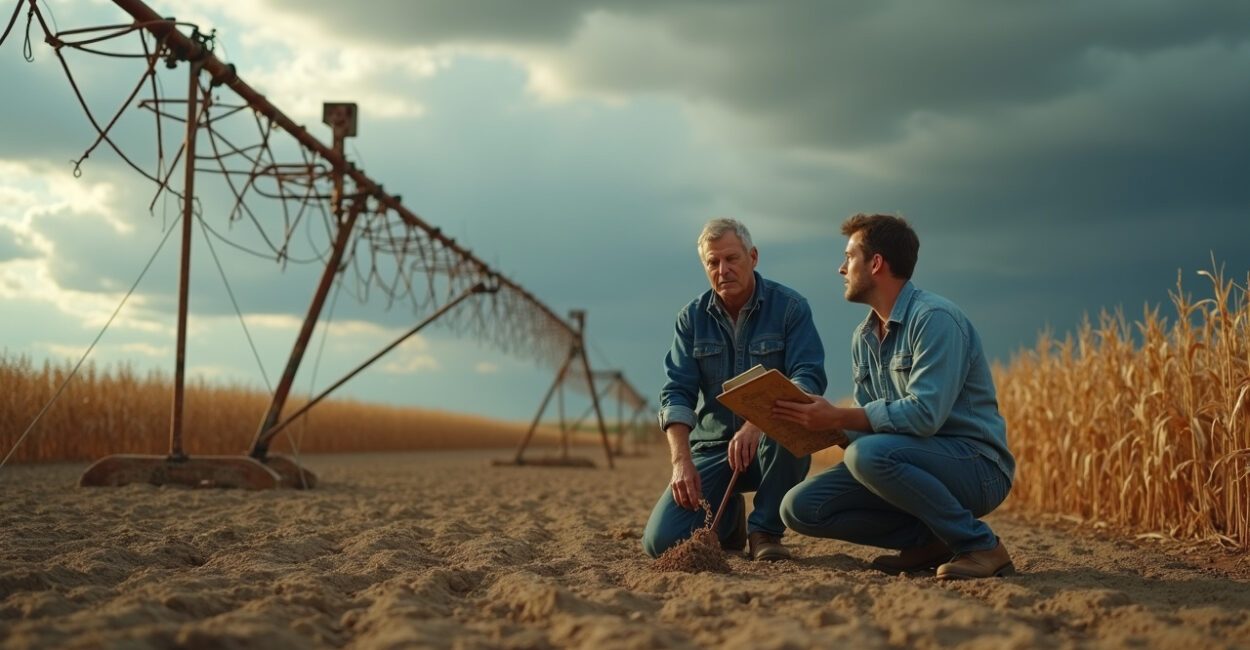
Climate change has emerged as one of the most critical challenges affecting agribusiness worldwide. The local profitability of farms and agricultural operations is increasingly tied to shifting weather patterns, altered growing seasons, and the heightened frequency of extreme events. Understanding how climate change impacts agribusiness at the local level is essential for farmers, investors, and policymakers aiming for sustainable growth and financial resilience.
In this article, we explore the multifaceted effects of climate change on agribusiness profitability, dissect the challenges that arise, and analyze practical strategies for adaptation. The focus is on real-world implications, backed by data and expert insights, to offer a comprehensive perspective that bridges theory with everyday practice.
O Essencial
- Climate change disrupts local agribusiness profitability by altering crop yields, increasing input costs, and exposing operations to unpredictable weather risks.
- Successful adaptation requires integrating climate-resilient practices, such as drought-tolerant crops, efficient water management, and diversified farming systems.
- Financial resilience depends on leveraging market mechanisms like crop insurance, carbon credits, and access to climate-smart financing.
- Local environmental factors and infrastructure quality significantly influence how agribusinesses experience and can respond to climate change.
- There is no one-size-fits-all solution; strategies must consider regional climate projections, soil conditions, and socio-economic realities.
How Climate Change Affects Local Agribusiness Profitability
Climate change agribusiness impacts are complex and vary widely depending on geography, crop type, and farming practices. Rising average temperatures and altered precipitation patterns disrupt phenology—the timing of crop development phases—leading to reduced yields or crop failures. For example, maize and wheat yields in some U.S. states have declined by up to 10% due to heat stress and droughts, according to USDA data from 2023.
Local agribusinesses face increased input costs as water scarcity pushes up irrigation expenses and pest pressures rise with warmer climates, requiring more pesticides. Flooding and storms damage infrastructure and delay planting or harvesting, directly hitting profitability. In practice, farmers in the Midwest report crop losses not only from drought but also from sudden heavy rains that erode soil and disrupt machinery operations.
“The difference between agribusinesses that thrive and those that falter in a changing climate is often the ability to anticipate local environmental shifts and adjust operations before losses accumulate.”
Key Challenges for Agribusinesses Adapting to Climate Change
Adapting to climate change presents several tangible challenges. First is the unpredictability of weather patterns, making it difficult to plan crop cycles and resource allocation. Second, small-scale farmers often lack access to capital or technology needed for effective adaptation, widening the gap between large agribusinesses and family farms.
Another significant challenge is the availability of reliable climate data at the local level. While global climate models provide broad trends, localized projections are often less precise, leading to uncertainty in decision-making. Social challenges, including land tenure insecurity and limited extension services, further complicate adaptation efforts.

Strategies for Enhancing Climate Resilience in Local Agribusiness
Building climate resilience starts with adopting crop varieties that tolerate heat, drought, or flooding. For instance, developing and planting drought-resistant sorghum has proven effective in parts of sub-Saharan Africa. Efficient water management techniques such as drip irrigation and rainwater harvesting reduce vulnerability to irregular rainfall.
Integrating diversified farming systems—combining crops, livestock, and agroforestry—can stabilize income and improve soil health. Precision agriculture technologies, including remote sensing and soil moisture sensors, help optimize resource use while reducing waste. Farmers who employ these strategies often report better yields and lower input costs despite climate variability.
The Role of Financial Instruments and Policy in Supporting Agribusiness Adaptation
Financial tools are critical to managing climate risks. Crop insurance programs, when designed well, can buffer farmers from extreme weather losses. For example, the U.S. federal crop insurance program covers over 90% of corn acreage, helping stabilize incomes amid climate volatility.
Carbon credit markets offer agribusinesses additional revenue streams by incentivizing practices that sequester carbon, such as cover cropping and reduced tillage. Moreover, government policies that promote climate-smart agriculture through subsidies, extension services, and infrastructure investments create enabling environments for adaptation.
“Effective policy frameworks combined with accessible financial instruments transform climate risks from insurmountable threats into manageable business challenges.”
Local Environmental and Infrastructure Factors Influencing Climate Impact
Not all agribusinesses experience climate change impacts equally. Soil type, topography, and local water availability shape vulnerability. For example, farms with deep, loamy soils retain moisture better during dry spells than sandy soils, reducing drought risk.
Infrastructure quality also plays a decisive role. Regions with robust irrigation systems, storage facilities, and transport networks can better cope with climate disruptions. Conversely, poor rural infrastructure often exacerbates losses and limits access to markets and inputs.
Case Study: Climate Adaptation in Midwestern U.S. Corn Farms
In the U.S. Midwest, corn producers have faced increasingly erratic rainfall and rising temperatures. One cooperative in Iowa implemented a multi-pronged adaptation approach combining no-till farming, cover crops, and precision irrigation. Over five years, these practices reduced input costs by 15% and improved average yields during drought years.
Farmers also participated in a state-backed crop insurance program that covered losses from extreme weather. This combination of agronomic adjustments and financial risk management illustrates how local agribusinesses can build resilience while maintaining profitability.
Limitations and Nuances in Climate Change Adaptation for Agribusiness
While many tools and strategies exist, their effectiveness depends on contextual factors. Drought-resistant crops, for example, may yield less under normal weather, affecting short-term profits. Financial instruments like crop insurance might not cover all risks or may be inaccessible due to cost or bureaucracy.
Furthermore, climate projections carry uncertainty, so some adaptation investments may not pay off if conditions change unexpectedly. Social and economic factors, such as labor availability and market access, also influence outcomes. Recognizing these nuances is essential to avoid overconfidence in any single solution.
What to Do Now: Steps for Agribusinesses Facing Climate Change
Local agribusinesses should start by assessing their specific climate vulnerabilities using regional data and expert advice. Experimenting with resilient crop varieties and diversified operations helps identify what works best in each context.
Investing in climate risk management tools, like insurance and market diversification, can stabilize finances. Collaborating with local extension services, research institutions, and policymakers enhances access to knowledge and resources.
Ultimately, proactive adaptation grounded in local realities will improve profitability and secure agribusinesses against the growing uncertainties of climate change.
What Role Does Climate Change Play in Altering Crop Yields?
Climate change affects crop yields primarily through temperature increases, altered rainfall patterns, and extreme weather events. Heat stress can impair plant development and reduce photosynthesis, while drought limits water availability critical for growth. Flooding damages root systems and delays planting. Together, these factors contribute to yield variability and potential declines, as demonstrated in numerous crops like maize, wheat, and soybeans globally.
How Can Small-scale Farmers Adapt to Climate-related Risks?
Small-scale farmers can adapt by adopting climate-resilient crop varieties, improving water management through rainwater harvesting or drip irrigation, and diversifying crops and income sources to reduce risk. Access to microfinance, extension services, and local cooperatives also plays a crucial role in enabling these adaptations, although barriers such as limited capital and technology access remain significant challenges.
What Financial Tools Support Agribusiness Adaptation to Climate Change?
Financial tools include crop insurance that compensates for losses due to weather extremes, carbon credit markets rewarding sustainable practices, and climate-smart loans with favorable terms for adaptive investments. These mechanisms help manage risk and incentivize practices that improve resilience, though their availability and effectiveness vary by region and regulatory frameworks.
Why is Local Infrastructure Important in Climate Change Resilience?
Local infrastructure such as irrigation systems, storage facilities, and transportation networks enables agribusinesses to better withstand climate shocks. Good infrastructure ensures water availability during droughts, preserves harvest quality by reducing spoilage, and maintains market access despite weather disruptions. Conversely, weak infrastructure amplifies vulnerability and financial losses.
Are There Limitations to Climate Change Adaptation Strategies?
Yes, adaptation strategies often face limitations including upfront costs, uncertainty in climate projections, and trade-offs such as lower yields under normal conditions for drought-resistant crops. Social factors like land tenure, market access, and institutional support also influence success. Therefore, strategies must be tailored to local contexts and combined with risk management tools.