
Advertisements

Understanding drought resistant crops 2026 is essential for farmers, agronomists, and policymakers facing increasing water scarcity. Drought-resistant crops are varieties bred or managed to maintain yields under low-water conditions, and they matter because they protect food security, reduce input costs, and stabilize rural incomes.
With climate shifts driving more frequent dry spells and heat stress, adopting resilient varieties, improved irrigation, and soil practices becomes a strategic necessity. This article explains which drought resistant crops 2026 farmers should consider, how to implement them practically, and what technologies and management practices increase success rates.
Climate-Adapted Varieties for Drought Resistant Crops 2026
Heat-tolerant Grains and Small Cereals
Heat-tolerant grains such as certain sorghum and millet cultivars are central to drought resistant crops 2026 strategies. These cereals evolved in arid regions and combine short growing cycles with deep root systems, reducing evapotranspiration losses and improving water-use efficiency.
For producers, choosing the right cultivar means balancing maturity length, pest resistance, and market demand. Integrating heat-tolerant cereals into rotations can also break pest cycles and conserve soil moisture for following crops.
Complementary practices like no-till, residue retention, and cover cropping enhance the performance of heat-adapted grains under drought conditions by improving soil structure and moisture retention.
Legumes That Conserve Moisture and Fix Nitrogen
Legume varieties adapted for marginal rainfall become valuable components of drought resistant crops 2026 systems. Chickpea, cowpea, and pigeon pea varieties with early maturity and drought escape traits reduce exposure to late-season dry spells.
These legumes also improve soil fertility via biological nitrogen fixation, decreasing fertilizer needs and increasing resilience of subsequent cereal crops. Selecting inoculants and matching sowing dates optimizes nodulation and water use.
Intercropping drought-adapted legumes with cereals can bolster yields and system-level reliability by improving resource capture and reducing competition for scarce water.
Perennial Forages for Livestock Resilience
Perennial forages like drought-adapted bermudagrass and certain clovers provide year-round feeding options that support livestock during dry seasons. These forages often have deeper roots and better regrowth capacity after stress, making them practical choices for ranchers seeking stability.
Integrating drought-resistant forage into grazing rotations reduces the need for purchased feed and helps maintain animal condition through critical dry periods. Soil health benefits from perennial cover, increasing organic matter and water infiltration.
When planning, consider forage establishment costs, grazing management, and species compatibility with local soils and climate to maximize benefits from these perennial systems.
Seed and Breeding Innovations for Drought Resistant Crops 2026
Marker-assisted and Genomic Selection Advances
Marker-assisted selection and genomic tools accelerate breeding of drought resistant crops 2026 by identifying genes related to root depth, stomatal control, and osmotic adjustment. These methods shorten breeding cycles and increase precision in combining traits.
Advertisements

Farmers benefit when seed companies release cultivars with validated drought-resilience under local trials. Public-private breeding partnerships are expanding test networks to ensure varieties perform across diverse environments.
Adoption requires access to certified seed, awareness of trait portfolios, and extension support to guide variety choices aligned with local rainfall patterns and management systems.
Hybrid Vigor and Trait Stacking in Commercial Seeds
Commercial hybrids that stack drought-tolerance traits with pest resistance deliver more stable yields under combined stressors. Hybrid vigor often improves early vigor and root growth, important components of drought resilience in drought resistant crops 2026 portfolios.
Assessing seed performance across multi-year trials helps determine which hybrids provide consistent returns. Contracting seed early and managing seedbeds for uniform emergence increases the likelihood of achieving hybrid potential under limited moisture.
Growers should evaluate seed economics, including input reductions and yield consistency, to justify investments in higher-priced drought-tolerant hybrids.
Participatory Breeding and Local Adaptation
Participatory breeding engages farmers in selection, producing drought resistant crops 2026 varieties suited to microclimates and cultural practices. This local adaptation speeds acceptance and ensures traits align with farmer priorities like taste, storability, and labor needs.
Community-based seed systems can preserve genetic diversity and fast-track distribution of successful lines. Training in simple selection criteria empowers farmers to select for resilience traits across generations.
Linking participatory programs with formal breeding accelerates scaling while preserving locally important traits that may be overlooked by commercial pipelines.

Management Practices to Maximize Drought Resistant Crops 2026
Soil Moisture Conservation Techniques
- Mulching with crop residues or plastic to reduce evaporation
- No-till or reduced tillage to preserve soil structure
- Cover crops to protect soil and increase organic matter
- Contour farming and micro-catchments to capture runoff
- Improved seed-bed preparation for uniform emergence
Conserving soil moisture is foundational for drought resistant crops 2026 success. Practices that maintain residue and organic matter reduce surface evaporation and increase infiltration, supporting seedlings through dry spells.
Combining multiple conservation tactics tailored to soil type yields the best results; for example, pairing no-till with cover crops and targeted mulching enhances water holding capacity and resilience.
Precision Irrigation and Deficit Strategies
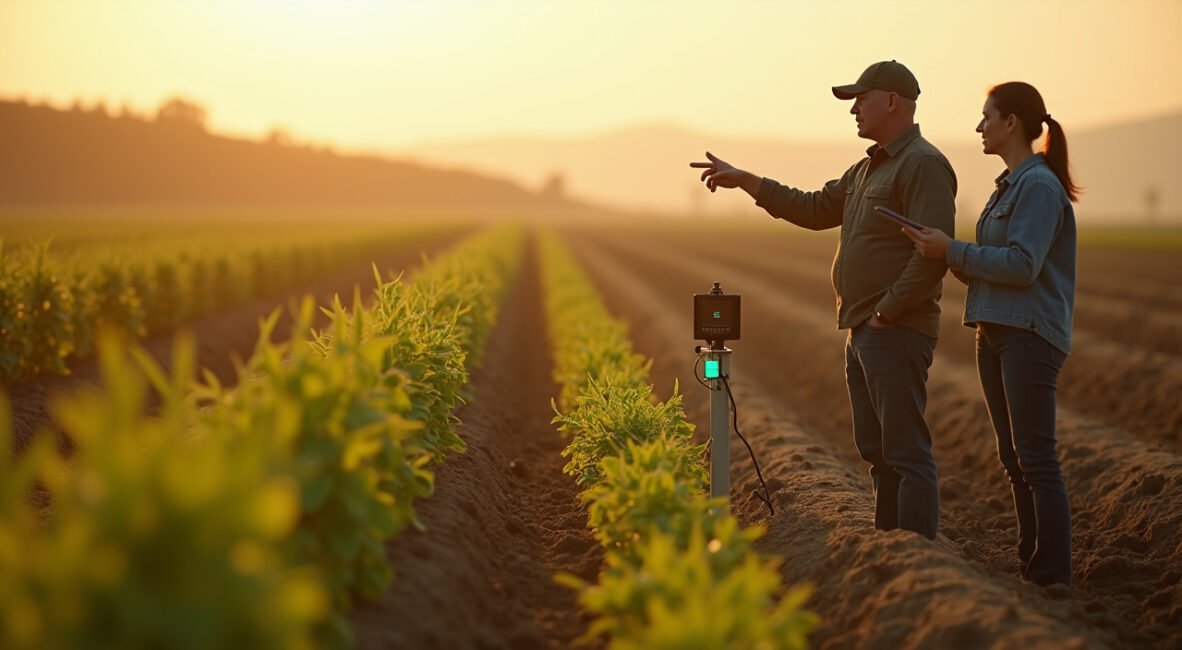
Precision irrigation—drip, sub-surface drip, and sensor-driven scheduling—boosts water-use efficiency for drought resistant crops 2026 by delivering water where and when crops need it. Deficit irrigation prioritizes critical growth stages, stretching limited supplies without major yield penalties.
Adopting soil moisture sensors and evapotranspiration-based scheduling reduces waste and supports decision-making. Initial investments in equipment are offset by lower water and energy costs over seasons.
Integration with weather forecasts and crop models further optimizes irrigation timing during critical phenological stages to maximize water productivity.
Crop Rotations and Integrated Pest Management
Smart rotations that include drought-adapted species, legumes, and fallows reduce disease pressure and improve soil moisture balance, strengthening drought resistant crops 2026 systems. Diverse rotations interrupt pest cycles and improve nutrient cycling.
Integrated pest management reduces crop stress by keeping pest loads below economic thresholds, which is particularly important under drought when plants are more vulnerable.
Combine scouting, biological controls, and targeted treatments to maintain plant health, protect yields, and conserve water and inputs across the rotation.
Economic and Market Considerations for Drought Resistant Crops 2026
Cost-benefit of Switching Varieties
Evaluating the economics of drought resistant crops 2026 involves upfront seed costs, potential yield stability, and reduced input needs. Producers should calculate break-even yields and sensitivity to price and yield fluctuations before transitioning.
Insurance products and price guarantees can de-risk adoption. Comparative trials and local demonstration plots help estimate realistic returns under typical farm conditions.
Long-term gains often include lower irrigation and fertilizer bills, plus greater resilience to climate variability, making the investment attractive for risk-averse growers.
Market Demand and Value Chains
Understanding market demand for drought-adapted crops—such as sorghum for feed, drought-hardy pulses for human consumption, or specialty millet—guides variety choice. Value chain actors, from processors to exporters, shape commodity potential.
Investing in post-harvest handling and storage reduces losses and preserves quality of drought resistant crops 2026 outputs, improving marketability and price realization.
Collaborating with buyers and cooperatives can create forward contracts that incentivize adoption and provide stable market access for farmers switching to resilient varieties.
Policy Incentives and Finance Options
Public incentives, subsidies for water-efficient systems, and concessional finance can accelerate adoption of drought resistant crops 2026. Policy support for research and seed registration speeds availability of adapted varieties.
Microfinance and climate finance instruments help smallholders invest in irrigation, storage, and quality seed while reducing exposure to short-term shocks.
Engaging agricultural extension and local authorities ensures alignment between on-farm investments and available programs, maximizing impact and sustainability.
Technology and Tools Supporting Drought Resistant Crops 2026
Remote Sensing and Decision Support Systems
Satellite imagery and remote sensing tools monitor crop stress and soil moisture, enabling targeted interventions that enhance drought resistant crops 2026 outcomes. These technologies provide field-level insights without constant physical scouting.
Decision support platforms that integrate weather forecasts, crop models, and sensor data recommend planting dates, irrigation schedules, and fertilizer timing, improving water productivity and reducing risk.
Affordable mobile apps and extension-led services make these tools accessible to smallholders, bridging information gaps and improving on-farm responses to drought signals.
On-farm Sensors and Automation
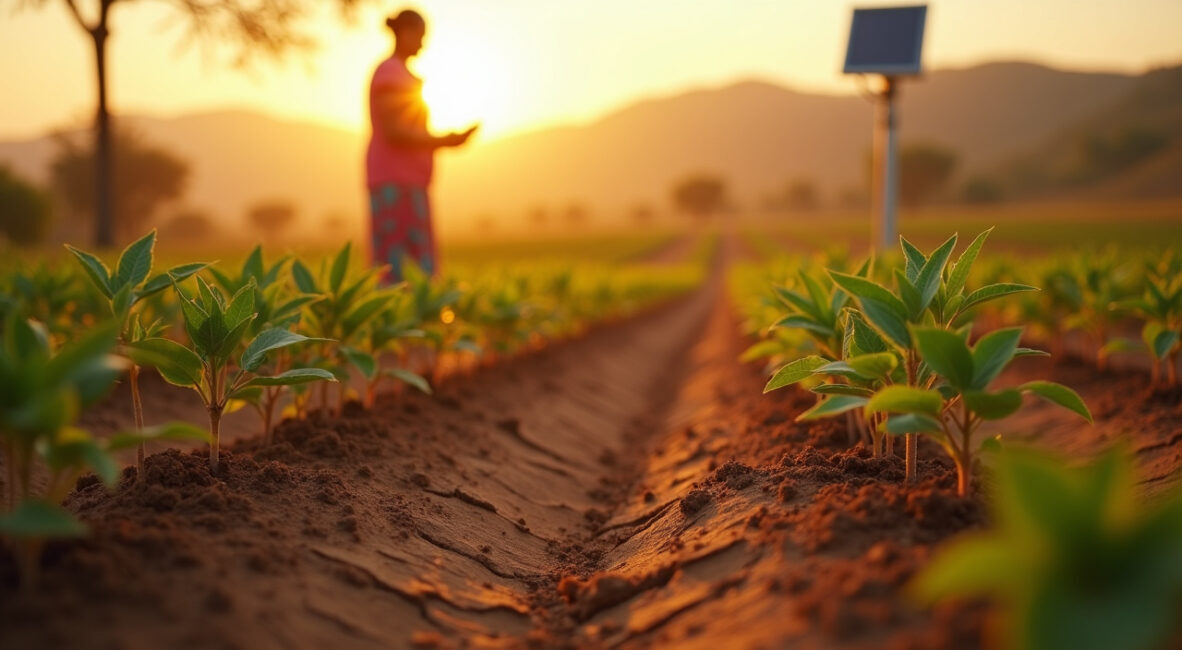
Soil moisture probes, automated valves, and low-cost weather stations let farmers manage irrigation precisely for drought resistant crops 2026 systems. Automation reduces human error and ensures timely water delivery during critical growth phases.
Scaling sensor networks requires training on data interpretation and maintenance, but yield and input savings often justify the investment across seasons.
Bundling sensors with advisory services or cooperatives can lower costs and increase adoption among resource-limited producers.
Low-cost Innovations and Community Solutions
Simple technologies—mulch films, zai pits, and stone bunds—are effective for improving water capture and supporting drought resistant crops 2026 in low-resource settings. Community-based water harvesting structures spread risk and increase resilience.
Farmer field schools and participatory demonstrations help transfer low-tech solutions rapidly, with local adaptation improving uptake and effectiveness.
Combining traditional knowledge with modern science often yields the most practical and affordable resilience measures for smallholder systems.
Case Studies and Regional Success Stories for Drought Resistant Crops 2026
Dryland Sorghum Success in East Africa
In parts of East Africa, drought resistant crops 2026 initiatives focused on improved sorghum varieties and soil conservation increased yields and food security. Farmers reported earlier maturity and better grain set during late-season dry spells, stabilizing household incomes.
Complementary training on planting windows and residue management helped farmers realize gains. Cooperative seed multiplication ensured wider access to adapted cultivars across communities.
Partnerships between NGOs, research stations, and local governments were key to scaling successes and ensuring ongoing support for farmers transitioning to resilient systems.
Pulse Production in South Asia During Water Stress
South Asian projects promoting chickpea and pigeon pea varieties with drought escape traits improved harvests during erratic monsoons. Improved input packages and market linkages enhanced adoption and profitability for smallholders.
Storage improvements and post-harvest training reduced losses, while farmer field demonstrations increased confidence in the new varieties’ performance under drought conditions.
These efforts illustrate how seed, markets, and extension must align to deliver durable benefits from drought resistant crops 2026 adoption.
Regenerative Grazing with Drought-adapted Forages in Australia
Ranchers in Australia integrated drought-resistant pasture species and managed grazing to preserve ground cover, increase soil carbon, and maintain livestock condition during dry spells. The approach reduced feed purchases and improved herd resilience.
Adaptive stocking rates and water point management were critical to maintaining pasture health. Monitoring and rotational grazing optimized forage utilization across seasons.
Combining regenerative practices with drought-adapted forages demonstrates how livestock systems can be both productive and resilient under changing climatic pressures.
Implementation Roadmap for Drought Resistant Crops 2026
Assessment and Planning for Farm-level Adoption
Begin with an on-farm vulnerability assessment to identify water availability, soil constraints, and market opportunities. This baseline informs which drought resistant crops 2026 varieties and practices fit the farm’s objectives and risk profile.
Develop an implementation plan with timelines, budgets, and monitoring indicators. Pilot small plots before full-scale rollout to adapt practices locally and manage risk.
Involving family labor, advisors, and local extension services early ensures realistic planning and builds capacity for long-term adoption and scale-up.
Procurement, Sowing, and Early Management
Secure certified seed of proven drought-resistant varieties and prepare seedbeds to promote uniform emergence. Timing sowing to coincide with expected moisture windows reduces establishment failure and maximizes yield potential for drought resistant crops 2026.
Ensure proper seed treatment and inoculants for legumes to enhance root development and nitrogen fixation. Early weed control and targeted nutrient applications support vigorous crop establishment under limited moisture.
Monitor emergence and adjust management quickly to salvage stands or replant where feasible, minimizing losses and preserving resources.
Monitoring, Evaluation, and Scaling Up
Track performance using simple metrics: plant stand, biomass, soil moisture, and yield. Comparing pilot plots to traditional systems quantifies benefits and informs decisions about scaling drought resistant crops 2026 practices.
Document lessons, adapt protocols based on local conditions, and share results with farmer networks and buyers to build demand for resilient outputs.
Gradual scaling supported by finance, seed access, and technical support increases the likelihood of sustained adoption and system-level resilience.
Policy, Research, and Global Perspectives on Drought Resistant Crops 2026
National Strategies and Investment Priorities
National agricultural strategies that prioritize drought resistant crops 2026 investments—in breeding, irrigation infrastructure, and extension—drive large-scale impact. Policies that support seed registration, farmer training, and water savings incentives accelerate adoption.
Aligning public investments with climate forecasts and smallholder needs ensures that research outputs translate into field-ready solutions and equitable access.
Cross-sector coordination among water, agriculture, and finance ministries is essential to craft enabling policies that support resilient food systems.
International Research Collaborations and Funding
Global research networks and climate funds are accelerating development of drought resistant crops 2026 technologies by financing multi-location trials and germplasm exchange. Collaborative platforms link breeders, modelers, and social scientists to deliver holistic solutions.
Public research organizations and CGIAR centers contribute adapted germplasm and training, while donor funds support scaling innovations in vulnerable regions.
Maintaining open data and seed sharing agreements ensures equitable benefits and faster dissemination of successful varieties and practices.
Measuring Impact and Long-term Resilience
Impact metrics for drought resistant crops 2026 include yield stability, income variability reduction, water-use efficiency, and soil health indicators. Longitudinal data capture real resilience gains beyond single-season yields.
Socioeconomic indicators—adoption rates, gender impacts, and market access—help refine programs to be inclusive and sustainable over time.
Evidence-based policy and adaptive management close feedback loops between research, practice, and funding, ensuring continuous improvement.
Conclusion
Drought resistant crops 2026 represent a practical, science-backed pathway to protect yields, livelihoods, and food systems in an era of water scarcity. Combining adapted varieties, soil conservation, precision irrigation, and market strategies delivers robust resilience for farms of all sizes.
Start with a small trial, monitor performance carefully, and scale what works while leveraging local research and policy incentives. Consider the opportunities now—investing in drought resistant crops 2026 can safeguard production and unlock long-term sustainability. Reach out to local extension or seed providers to begin.
Frequently Asked Questions
What Are the Best Drought Resistant Crops for Smallholder Farms?
Best choices depend on region, but generally early-maturing sorghum, millet, cowpea, chickpea, and drought-adapted maize hybrids perform well for smallholders. Combine variety selection with soil conservation, timely planting, and local market access. Pilot small plots first, evaluate yields and seed availability, then scale those that provide stable returns while fitting existing cropping systems.
How Quickly Can I Expect Benefits After Switching to Drought Resistant Crops 2026 Varieties?
Benefits often appear within one to two seasons if varieties are well-matched to local conditions and management practices are adapted. Immediate gains include more consistent yields during dry spells and reduced irrigation needs. Full system benefits—improved soil health and income stability—typically accrue over multiple seasons with continued conservation practices and proper crop rotation.
Do Drought Resistant Crops 2026 Require Special Irrigation Systems?
Not always. Some varieties are designed for rainfed systems, but precision irrigation (drip or sensor-based) enhances performance where water is available. Deficit irrigation strategies can stretch supplies during critical growth stages. Consider cost, scale, and access to maintenance; low-cost water harvesting and scheduling can also significantly boost results without major infrastructure.
Are There Market Premiums for Drought-tolerant Crop Varieties?
Market premiums depend on crop and region. Some value chains for specialty pulses or sustainably produced grains offer higher prices, while others do not. Building buyer relationships, improving post-harvest quality, and certifying drought-resilient or climate-smart practices can increase market opportunities and justify investments in drought resistant crops 2026 varieties.
Where Can I Find Reliable Seed and Technical Support for Drought Resistant Crops 2026?
Reliable sources include national agricultural research centers, certified seed companies, farmer cooperatives, and NGOs. Extension services and university trials provide localized recommendations. Look for certified seed labels, performance trial data, and supplier references. International centers like CGIAR and FAO also publish guidance and resources relevant to drought resistant crops 2026 adoption.
Further reading and resources: FAO – Climate-Smart Agriculture, CGIAR Research, and IPCC reports.
Advertisements
