Skip to content
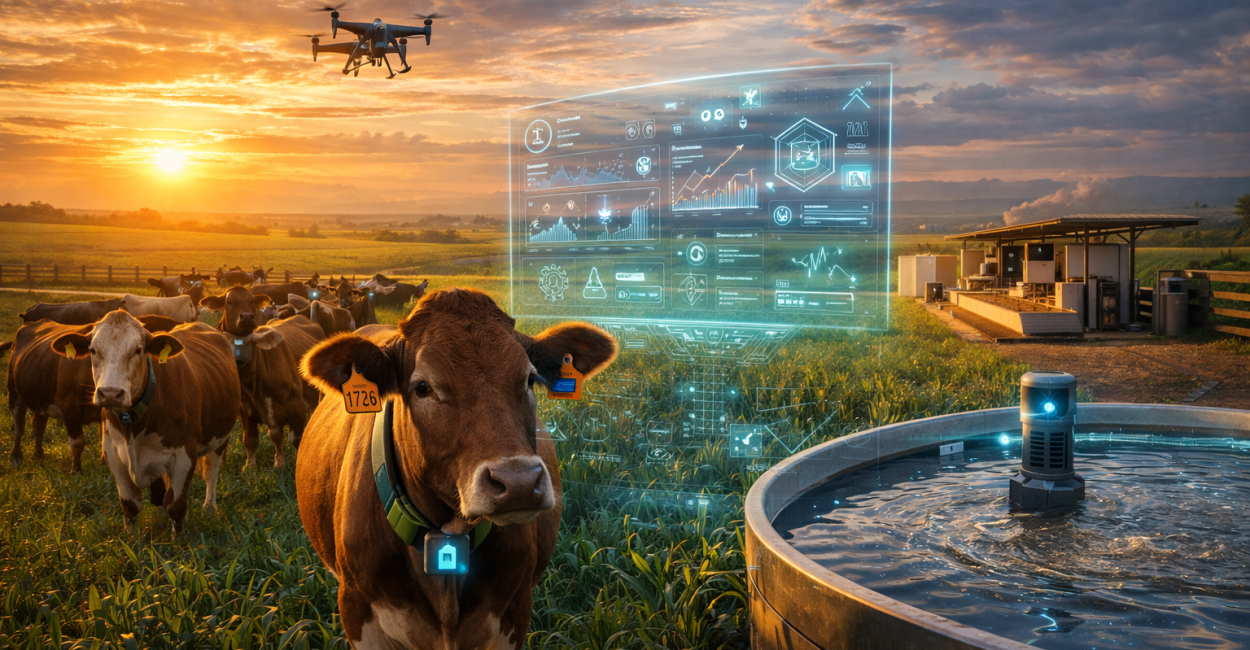
Precision Livestock Farming is transforming cattle ranching by using sensors, data and automation to monitor animal health, feed and pasture in real time. This approach matters because it reduces costs, improves welfare and scales management—letting a rancher supervise hundreds of animals from a smartphone.
Traditional cattle operations rely on manual checks, seasonal forecasting and large labor teams, which are costly and error-prone. In contrast, precision livestock farming technology automates monitoring and decision-making, boosting productivity and lowering mortality and input waste.
Keep reading to discover the seven technologies quietly revolutionizing cattle ranching and which one is saving farmers the most money.
Precision Livestock Farming Overview: What It Really Means
Definition and Core Principles
Precision Livestock Farming (PLF) is the application of sensors, IoT, data analytics and automated systems to manage individual animals and herds. It focuses on continuous monitoring, early detection of disease, precision feeding and environment control. PLF shifts decision-making from periodic manual checks to data-driven actions, increasing responsiveness and minimizing guesswork in animal care and resource allocation.
Traditional Cattle Ranching Vs Data-driven Ranching
Traditional ranching depends on routine inspections, visual observation and experience to make herd decisions. Data-driven ranching uses telemetry, GPS, wearables and integrated software to monitor body temperature, location, feed intake and pasture conditions. That means fewer surprises, lower labor needs and measurable improvements in weight gain, reproductive success and reduced medication use.
Why 2026 Is a Tipping Point for Adoption
By 2026, sensor costs have dropped, connectivity has improved with rural networks expanding, and AI models matured for livestock patterns. Market demand for traceability and sustainable meat production also drives investment. Combined, these forces make 2026 the year PLF moves from niche pilots to mainstream adoption across commercial ranches worldwide.
Precision Livestock Farming Technologies: GPS & RFID Tracking
How GPS & RFID Ear Tags Work
- GPS-enabled collars/ear tags provide continuous location data for each animal
- RFID ear tags store animal ID, vaccination and breeding records
- Gate readers and handheld scanners automate check-in/out and inventory
- Integration with geofencing triggers alerts for strays or predation risk
Benefits for the Rancher
Individual tracking reduces search time, prevents losses from theft or strays, and optimizes grazing patterns. Precise location data supports rotational grazing and reduces overgrazing. For large herds, the labor savings alone—hours per week saved in mustering—translate into immediate operational cost reduction and better land stewardship.
Real-world Example and Vendor
Companies like Allflex and Smartbow provide RFID/GPS solutions used in commercial cattle operations. A large Australian ranch reported a 30% reduction in time spent mustering after full deployment, and improved reproductive tracking through synchronized location and activity data.
Precision Livestock Farming Technologies: Wearable Health Sensors
What Wearable Health Sensors Detect
- Continuous temperature and heart rate monitoring
- Activity and rumination tracking to flag behavioral changes
- Early disease detection algorithms for infections and metabolic disorders
- Reproductive status detection through activity and temperature shifts
- Integration with veterinary records for automated alerts
How They Function in Practice
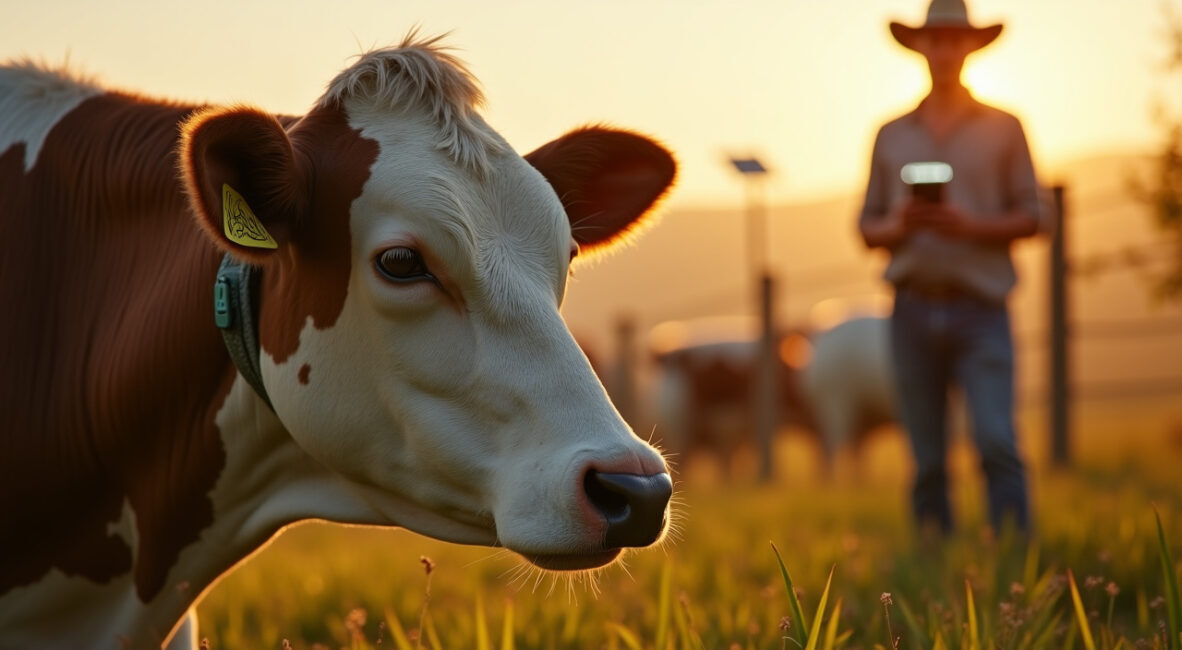
Wearables—ear tags, neck bands or boluses—collect biometric data and stream to gateways or mobile apps. AI models analyze deviations from baseline patterns to flag potential illness hours or days before visible symptoms. Alerts allow targeted exam and treatment, reducing blanket antibiotic use and improving survival rates.
Concrete Farmer Benefits
Early detection cuts treatment costs and prevents disease spread, improving average daily gain and reducing mortality. For example, dairy and beef operations that adopted wearables report faster response times and lower vet bills, with ROI often achieved within 12–18 months for medium-sized ranches.
Precision Livestock Farming Technologies: AI-Powered Feeding Systems
What AI Feeding Systems Are
- Automated feeders that dispense customized rations by animal or group
- Machine learning models adjusting rations based on weight, productivity and health
- Integration with feed inventory and cost-management modules
- Real-time adjustments to optimize feed conversion ratio and growth
- Remote monitoring and scheduling via farm management platforms
How AI Personalizes Feeding
AI systems use weight, growth trajectory, lactation stage and health status to calculate precise nutrient mixes. Combined with RFID or facial recognition, feeders identify animals and deliver individualized portions. This reduces feed waste and ensures each animal receives exactly what it needs for optimal growth.
Economic Advantages for Producers
Automated, precise feeding increases feed efficiency, often improving feed conversion ratio by 5–12%. Reduced overfeeding lowers costs and environmental impact. Vendors like FeedWorks and GrowSafe specialize in these systems, showing rapid payback in feed cost savings on intensive operations.
Precision Livestock Farming Technologies: Drone Herd Monitoring
Capabilities of Drone Monitoring
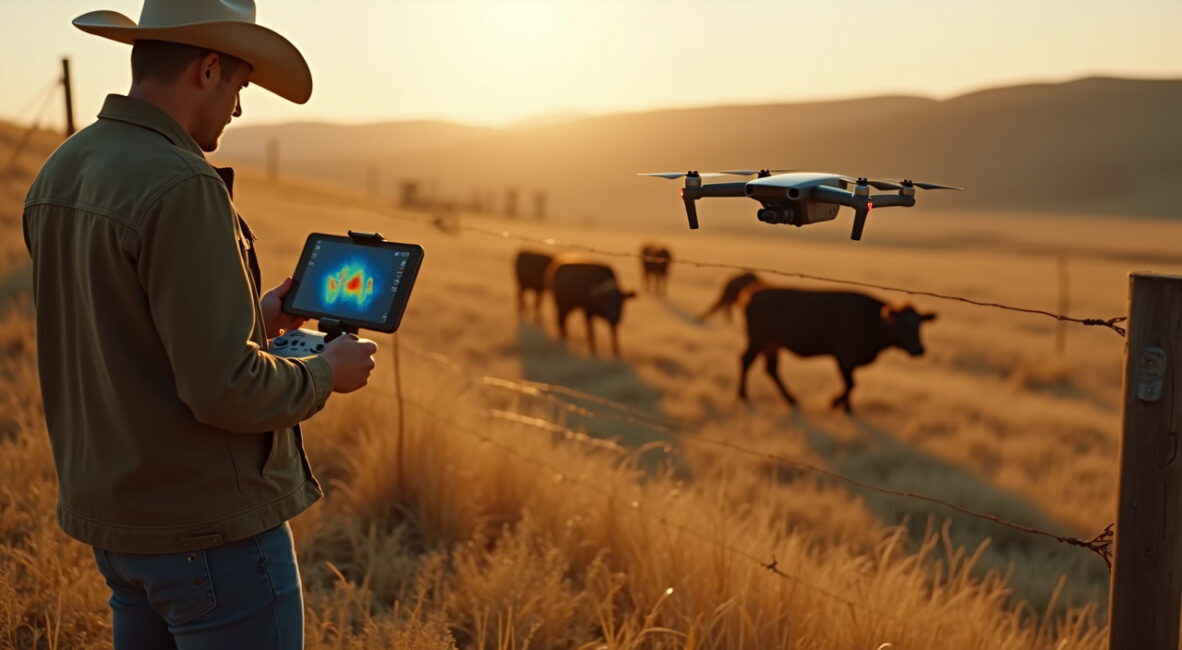
Drones provide high-resolution aerial surveillance for herd location, heat mapping and fence inspection. Equipped with RGB and thermal cameras, drones quickly survey large pastures, detect injured or isolated animals and assess pasture biomass. Real-time video and automated flight paths make routine monitoring faster and safer.
Practical Uses on Cattle Operations
Ranchers use drones for mustering, inspecting fences and water points, and detecting sick or stationary animals that need attention. Drones reduce the need for ATV or horseback checks and can cover terrain that is difficult or dangerous to traverse on foot, improving labor efficiency and safety.
Case Study and Provider
In the US and Brazil, operators using DJI and senseFly drones report cutting routine inspection time by up to 70%. Thermal imaging helped identify heat-stressed animals during a hot spell, allowing targeted intervention and avoiding production losses.
Precision Livestock Farming Technologies: Genomic Selection Tools
What Genomic Selection Does
- DNA testing to predict traits like growth, fertility and disease resistance
- Marker-assisted selection accelerates breeding programs
- Integration with herd records to select top sires/dams
How Genomic Tools Are Applied
Genomic selection uses SNP panels and breeding value predictions to choose breeding pairs with desired traits. By combining genotype data with performance records, ranchers can shorten generation intervals and reliably increase traits like feed efficiency or carcass quality.
Return on Genetic Investment
While initial testing adds cost, improved genetics increase long-term herd value, feed efficiency and market price. Breeding companies and labs (e.g., Zoetis, Neogen) provide packaged solutions that have delivered measurable gains in commercial herds within a few generations.
| Trait | Genomic Impact | Timeframe |
|---|---|---|
| Feed efficiency | +5–10% improvement | 3–5 years |
| Fertility | Reduced calving interval | 2–4 years |
| Disease resistance | Lower antibiotic use | 4–6 years |
Precision Livestock Farming Technologies: Smart Water & Pasture Sensors
What Smart Sensors Monitor
- Soil moisture and pasture biomass
- Water trough levels and quality (pH, turbidity)
- Weather stations for microclimate data
How Sensors Feed Decision-making
Soil and pasture sensors feed models that predict forage availability and optimal stocking rates. Automated water sensors trigger pumps or alerts when levels drop or quality degrades. This prevents production losses from drought or contamination and helps schedule supplemental feed only when necessary.
Farmer Benefits and Practical Results
Smart sensing reduces overgrazing, optimizes pasture rotation and ensures consistent hydration—key to maintaining weight gain and reproduction. Integrated data can reduce wasted water and feed inputs, showing clear environmental and cost benefits for sustainable ranching.
| Metric | Traditional | Smart Sensor |
|---|---|---|
| Pasture utilization | Variable, reactive | Optimized with 10–20% improvement |
| Water loss | Unmonitored leaks | Reduced via alerts and automation |
Precision Livestock Farming Technologies: Farm Management Software
Role of Integrated Farm Platforms
Farm management software aggregates data from tags, wearables, drones, feeders and sensors into dashboards. It provides herd records, financial tracking, compliance reports and decision support. Centralized platforms allow informed planning and automated alerts that simplify daily operations and strategic forecasting.
Features That Drive Adoption
Leading platforms offer mobile apps, offline syncing for remote areas, integration with accounting systems and APIs for third-party tools. They enable traceability from birth to sale, support herd health plans, and produce reports necessary for certifications and market access.
Business Impact and Vendors
Systems like AgriWebb, Cargill’s platforms and local providers help ranchers reduce administrative workload, improve traceability and make evidence-based business decisions. ROI comes from labor savings, better animal performance and premium market access through verified data.
How Much Can Farmers Save with Precision Livestock Farming?
Concrete Cost Reductions and ROI
Precision Livestock Farming can reduce labor by 30–50%, lower medication costs by 15–35% via early detection, and improve feed efficiency 5–12%. Typical ROI varies by technology: wearables and feeders often pay back within 12–24 months, while genomic programs realize value over several years through herd improvement.
Comparing Traditional Vs Precision Operations
A traditional ranch spends more on labor, reactive treatments and feed waste. A precision ranch shifts to preventive care, optimized inputs and data-driven decisions, yielding higher margins, lower volatility and documented sustainability improvements that can unlock new markets.
Impact Table: Estimated Savings
| Area | Traditional Farm | Precision Farm (est.) |
|---|---|---|
| Labor cost | 100% | 60–70% |
| Medication & vet | 100% | 65–85% |
| Feed cost | 100% | 88–95% |
Sources: industry reports and vendor case studies such as FAO and Angus Genetics (external links below).
Challenges and Barriers to Precision Livestock Farming Adoption
Initial Capital and Perceived Cost
High upfront costs for sensors, drones and software deter many producers. Leasing, phased rollouts and cooperative purchasing mitigate this. Governments and industry grants can offset early investment while pilots demonstrate clear ROI to skeptical producers.
Connectivity and Rural Infrastructure
Remote connectivity limits real-time data flow. Solutions: local gateways with store-and-forward, low-power wide-area networks (LPWAN), and satellite links. Combining offline-capable apps with intermittent syncing reduces operational friction in poorly connected areas.
Producer Training and Change Management
Adoption requires new skills and trust in data-driven decisions. Practical steps include hands-on training, peer-to-peer learning, vendor-supported onboarding and starting with a single use-case (e.g., disease detection) to show quick wins and build confidence.
The Future of Precision Livestock Farming
Next 5 Years: Integration and Automation
Expect deeper integration across sensors, AI and supply chain systems, with autonomous vehicles and edge computing enabling near-real-time control. Automation will reduce routine labor and allow precision interventions that were previously impractical for large ranches.
Traceability, Blockchain and Market Impacts
Blockchain-based traceability will link on-farm records to processors and retailers, rewarding verified welfare and sustainability. That transparency could shift market premiums and open export markets that demand provenance and documented environmental metrics.
Brazil and Global Leadership
Brazil, with its vast pastureland and growing tech ecosystem, is positioned to lead PLF adoption in South America. Local innovators and large agribusinesses are already investing in scalable solutions that adapt to regional breeds and extensive grazing systems.
Conclusion
Precision Livestock Farming brings targeted technologies—sensors, AI, drones, genomics and integrated software—that together cut costs, improve animal welfare and boost productivity. Farmers who adopt these tools gain resilience, traceability and competitive advantage in global markets.
Which of these 7 technologies is your farm already using? Tell us in the comments. For more on genetics and drones, check our related posts on Braford, Angus and drone applications.
What is Precision Livestock Farming and Why Should I Care?
Precision Livestock Farming uses sensors, data and automation to monitor and manage animals individually. It matters because it reduces costs, detects problems earlier, improves welfare, and increases productivity—enabling smarter, scalable ranch management.
How Quickly Will I See ROI After Installing PLF Technologies?
ROI timing depends on the technology: wearables and feeders often pay back within 12–24 months; genomic improvements take several years. Combining systems and starting with high-impact use-cases accelerates returns and builds producer confidence.
Are These Technologies Suitable for Extensive Grazing Systems?
Yes. GPS, drones, LPWAN and satellite links adapt well to extensive systems. Smart water/pasture sensors and remote data syncing allow effective monitoring without constant connectivity, making PLF viable for large, remote ranches.
Will PLF Reduce the Need for Veterinarians and Farm Workers?
PLF reduces routine labor and enables preventive care but does not replace veterinarians or skilled workers. Instead, it shifts roles toward data interpretation, targeted interventions and higher-value tasks, improving overall farm efficiency.
How Does PLF Affect Sustainability and Market Access?
PLF improves resource efficiency—less feed and water waste, targeted medicine use and better pasture management—supporting sustainability claims. Verified data enhances traceability and can unlock premium markets demanding documented welfare and environmental practices.
External sources: FAO, Angus Genetics, and vendor pages such as Allflex.