Advertisements

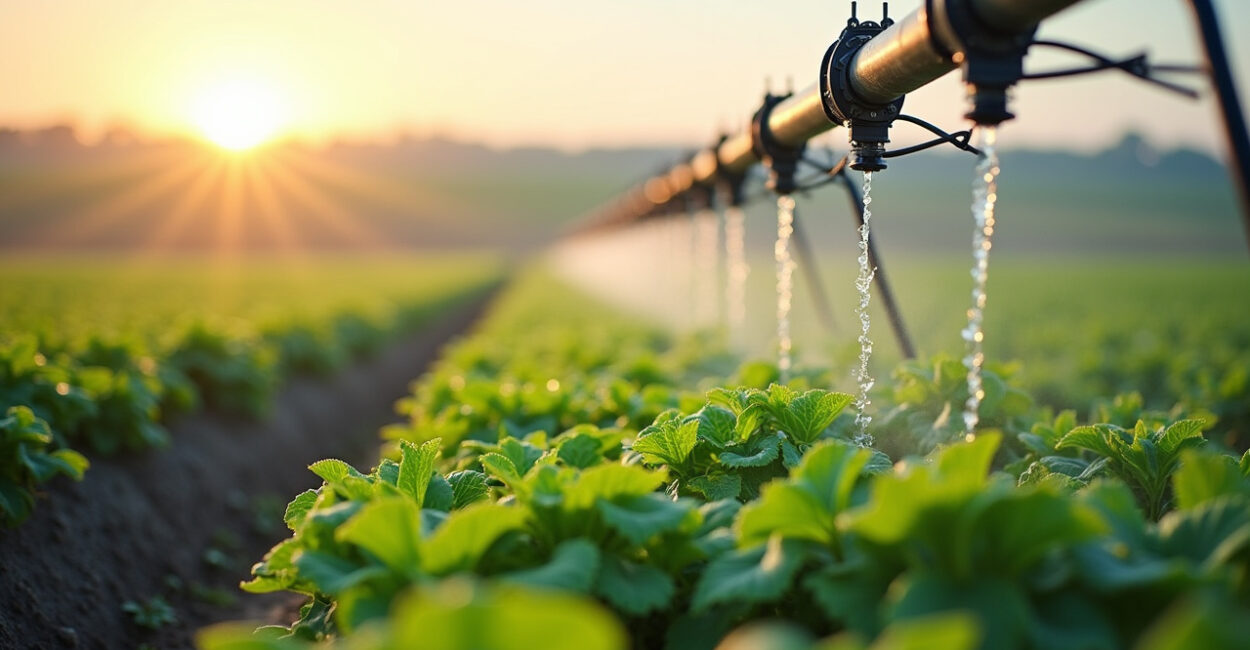
Smart irrigation systems farming refers to the use of sensors, automation, and data-driven controls to optimize water delivery on farms. It matters because water is the most critical agricultural resource in 2026, and precision irrigation can cut water use while boosting yields and profitability. To start, growers assess soil, climate, and crop needs, then deploy controllers, soil moisture probes, and remote telemetry systems to manage irrigation schedules.
Producers face rising water scarcity, higher input costs, and tighter regulations, creating an urgent opportunity to adopt smart irrigation solutions. These systems reduce waste, improve nutrient uptake, and support sustainability goals while offering measurable ROI. Understanding sensors, telemetry, and irrigation methods helps farmers choose the right mix of drip, sprinkler, and subsurface technologies.
This article explores technologies, implementation steps, economic and environmental benefits, case studies, system selection guidance, best practices, and long-term maintenance for smart irrigation systems farming. Each section includes practical tips, comparisons, and links to authoritative sources to guide informed investments.
Precision Smart Irrigation Systems for Crop Water Management
What Precision Smart Irrigation Systems Do
Precision smart irrigation systems farming uses soil moisture sensors, weather stations, and evapotranspiration models to schedule watering precisely. These systems automate valve control to match crop evapotranspiration and root zone needs, preventing overwatering and runoff. Data logging and cloud analytics enable trend analysis and adaptive scheduling for different growth stages.
Farmers can integrate remote telemetry with farm management platforms, linking irrigation events to field maps and yield zones. That integration improves decision-making and reduces labor for manual checks. Ultimately, accurate water delivery improves crop health and resource efficiency.
Adoption often starts with pilot plots to calibrate sensor thresholds and irrigation rates. Calibration and maintenance ensure sensors and controllers reflect field realities, maximally leveraging precision irrigation benefits.
Key Components and Technologies
Core components include soil moisture probes, pressure-compensated drippers, smart controllers, and wireless gateways. Weather stations provide localized climate data for models, while flow meters detect leaks or blockages. Controllers use algorithms to convert sensor inputs into valve actuation schedules, optimizing application rates and timing.
Telemetry options include LoRaWAN, cellular, and satellite links, enabling remote monitoring across large properties. Integration with farm management software allows historic data analysis, which supports irrigation audits, compliance reporting, and yield optimization strategies.
Choosing robust sensors and ensuring battery or power availability are crucial for uninterrupted operation, especially in remote fields or during critical crop stages.
Benefits for Yield and Resource Efficiency
Precision systems in smart irrigation systems farming increase water-use efficiency, often reducing irrigation volume by 20–50% while stabilizing or improving yields. Efficient water placement minimizes nutrient leaching and reduces energy consumption for pumping. That directly improves margins and supports sustainable certifications.
Beyond water savings, uniform irrigation promotes even crop development and reduces plant stress, decreasing pest and disease pressure. Reliable irrigation scheduling also enables more predictable labor and harvest planning, benefiting overall farm logistics.
Long-term benefits include improved soil health and resilience to droughts, which are critical as climate variability increases in many production regions.
Advertisements
Automated Irrigation Technology in Smart Irrigation Systems Farming
Automation Components and Control Logic
Automated irrigation systems combine controllers, valves, and sensors with decision algorithms that manage irrigation events. Controllers may run rule-based schedules or model-driven routines using evapotranspiration, soil moisture thresholds, and crop coefficients. Automation reduces human error and ensures timely irrigation during critical crop stages.
Integration with SCADA-like interfaces enables real-time monitoring of pump status, pressure, and flow rates. Alerts for anomalies help avoid crop damage and water losses. Many systems now support remote override, offering flexibility during unexpected weather or operational issues.
Security and firmware updates are essential to maintain control integrity and protect against failures or cyber risks that could disrupt irrigation operations.
Common Sensors and Communication Protocols
Soil moisture sensors include capacitance and TDR probes, measuring volumetric water content at multiple depths. Weather stations provide temperature, humidity, wind, and solar radiation inputs. Flow meters track water volumes applied. Communication uses protocols like LoRa, Zigbee, NB-IoT, and standard cellular links.
Choosing the right protocol depends on farm size, topography, and data needs. Low-power long-range solutions suit large, dispersed fields; cellular is convenient where coverage exists. Reliable telemetry is foundational to system responsiveness and data integrity.
Sensor placement strategy and redundancy planning reduce false readings and ensure representativeness across irrigation management zones.
List of Automation Setup Best Practices
- Map irrigation zones based on soil, slope, and crop type
- Install sensors at representative depths within the root zone
- Use pressure-compensated emitters for uniform application
- Enable remote alerts for flow deviations and power issues
- Schedule regular calibration and firmware updates
Data-driven Irrigation Strategies for Smart Irrigation Systems Farming
Using Data to Schedule Irrigation
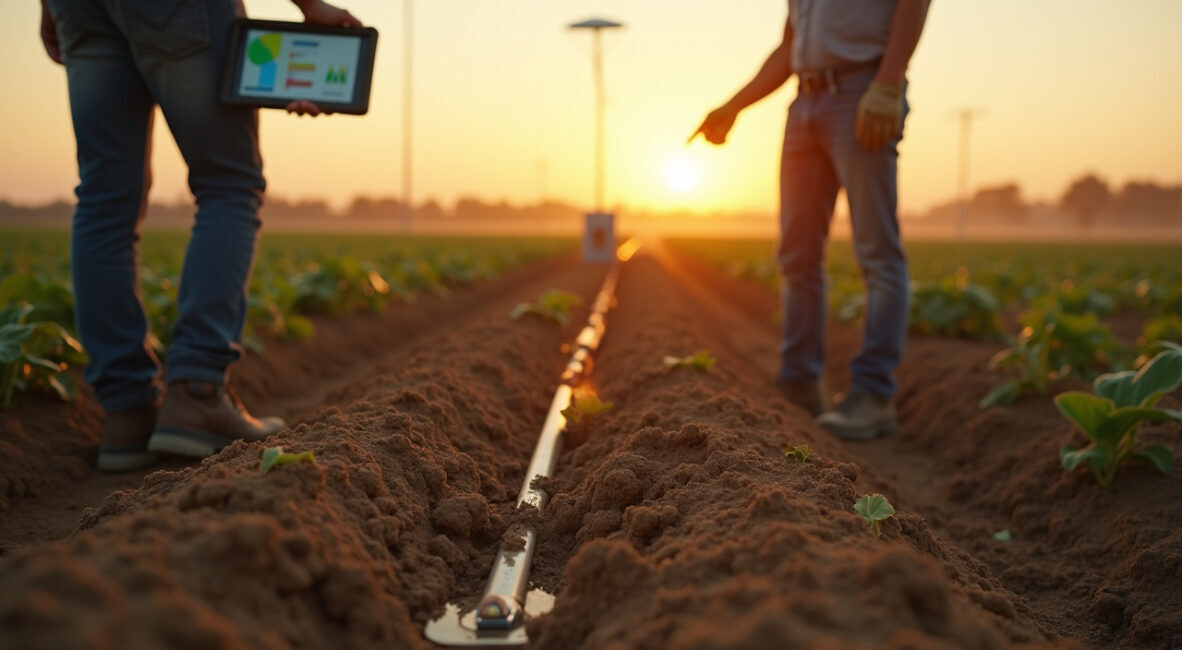
Data-driven scheduling blends soil moisture readings with weather forecasts and crop coefficients to create dynamic irrigation plans. This reduces unnecessary irrigation by adjusting to rainfall events and real-time evapotranspiration. Data visualization helps operators compare zones and prioritize adjustments.
Historical datasets enable predictive scheduling and support machine-learning models that can refine irrigation timing across seasons. Combining yield maps and irrigation records reveals correlations between water application and productivity, informing future decisions.
For effective use, data pipelines must be reliable and accessible, with clear dashboards for farm managers and operators.
Analytics and Decision Support Tools
Decision support systems aggregate sensor streams, satellite imagery, and weather forecasts to recommend irrigation events. These platforms offer alerts, optimization suggestions, and reporting for compliance or sustainability goals. Advanced tools use AI to identify patterns and propose irrigation prescriptions by zone.
Interoperability with farm management systems ensures irrigation actions are aligned with fertilization, spraying, and harvest plans. Cost-benefit modules estimate water and energy savings to calculate payback timelines for investments.
Selecting a platform that supports open data formats facilitates future integration and avoids vendor lock-in.
Checklist for Data Readiness
- Define data sources: sensors, weather, satellite, pumps
- Ensure telemetry coverage and reliable power to devices
- Standardize data formats and timestamps
- Set alert thresholds and reporting intervals
- Train staff on interfaces and response protocols
- Plan for secure backups and data retention
- Review data quality periodically
Economic Impacts of Smart Irrigation Systems in Farming
Cost Structure and Return on Investment
Investments include hardware (controllers, sensors, valves), installation, telemetry subscriptions, and maintenance. Operating costs fall with reduced water and energy use. ROI depends on water price, crop value, and scale—many growers see payback within 2–5 years for high-value crops or in water-scarce regions.
Financial incentives, rebates, and water efficiency programs can reduce upfront costs. Performing a site-specific economic analysis that factors in labor savings, yield changes, and avoided regulatory penalties is crucial for sound investment decisions.
Lifecycle costing should include sensor replacements, battery changes, and software subscriptions to estimate true long-term economics.
Market Drivers and Incentives
Drivers include rising water costs, scarcity, sustainability targets, and traceability requirements from buyers. Governments and utilities often provide incentives for water-saving technologies. Premium markets increasingly reward sustainably produced commodities, creating price advantages for efficient producers.
Financial programs may offer low-interest loans or cost-share grants tied to measurable water savings. Accessing these programs requires baseline water audits and documented performance metrics post-installation.
Understanding available incentives can shift the business case strongly in favor of smart irrigation adoption.
Comparative Cost-benefit Table
| Item | Traditional Irrigation | Smart Irrigation |
|---|---|---|
| Water Use | Higher, variable | Reduced 20–50% |
| Labor | Manual scheduling | Automated, less labor |
| Initial Cost | Lower | Higher, technology investment |
Selecting Systems and Suppliers for Smart Irrigation Systems Farming
How to Evaluate Suppliers and Technologies
Select suppliers based on field-proven reliability, local support, and open integrations. Evaluate warranties, data ownership terms, and training offerings. Request references and case studies from similar crops and climates. A staged procurement, starting with pilot fields, reduces risk and allows evaluation of supplier responsiveness.
Assess total cost of ownership and ensure compatibility with existing pumps, filters, and electrical systems. Check for cybersecurity practices and firmware update policies to maintain long-term operability and data integrity.
Procurement decisions should prioritize modular systems that allow gradual scaling as budgets and confidence grow.
Installation, Commissioning, and Training
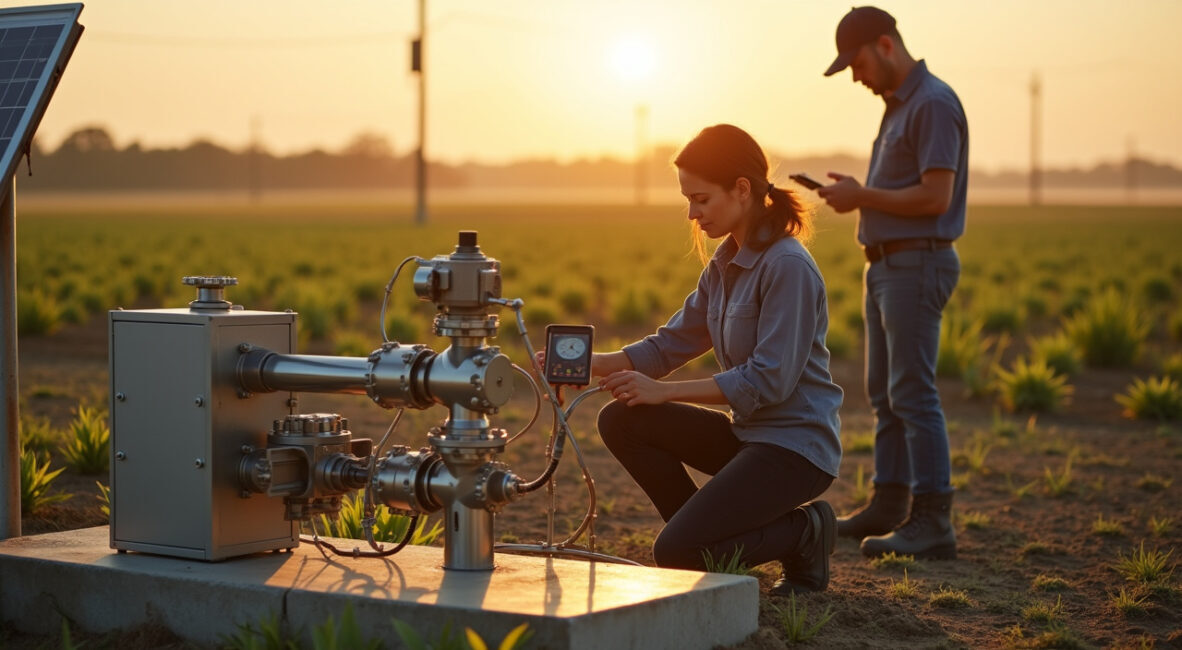
Proper installation and commissioning involve sensor calibration, zone mapping, pressure testing, and baseline data collection. Commissioning should include validation of thresholds and a training session for operators. Clear documentation and emergency procedures help maintain system uptime during seasonal peaks.
Training that combines field walkthroughs with simulated scenarios ensures farm staff can troubleshoot common issues, update schedules, and interpret analytics. Ongoing supplier support contracts can include seasonal tune-ups and sensor recalibration services.
Plan for staff turnover by maintaining up-to-date operation manuals and recorded training sessions.
Comparison Table of Feature Priorities
| Feature | Priority for Small Farms | Priority for Large Farms |
|---|---|---|
| Cost-effectiveness | High | Medium |
| Scalability | Medium | High |
| Remote telemetry | Medium | High |
Maintenance, Sustainability, and Long-term Management
Routine Maintenance and Troubleshooting
Routine maintenance includes sensor cleaning, battery replacement, filter and emitter checks, and flow meter calibration. Scheduled inspections reduce downtime and prevent clogging or pressure imbalances. Keep spare parts on hand and document incidents to refine maintenance cycles over time.
Troubleshooting steps should include verifying power and connectivity, checking pressure at zone headers, and inspecting emitters for blockage. Maintaining accurate field maps and as-built records speeds problem localization and repair.
Regular firmware updates and security patches keep the system resilient and maintain compatibility with cloud platforms and analytics services.
Environmental Stewardship and Sustainability Outcomes
Smart irrigation systems farming promotes water conservation, reduces nutrient leaching, and conserves energy used for pumping. These outcomes support biodiversity and soil health while helping producers meet sustainability certifications and regulatory reporting requirements. Documented water savings strengthen market positioning with sustainability-conscious buyers.
Adaptive irrigation that responds to weather and soil conditions reduces unnecessary withdrawals from stressed watersheds, contributing to regional water resilience. Carbon footprint reductions from lower energy use may also be quantifiable and marketable.
Long-term sustainability planning includes integrating cover crops, soil organic matter practices, and irrigation scheduling to support both productivity and environmental goals.
List of Maintenance Priorities
- Monthly sensor checks and cleaning
- Seasonal pressure and flow tests
- Battery and power system inspections
- Annual calibration of probes and meters
Conclusion
Smart irrigation systems farming combines sensors, automation, and analytics to optimize water use, increase yields, and improve farm profitability. By adopting precision irrigation, growers can reduce water and energy use, mitigate drought risk, and meet sustainability demands while achieving measurable ROI.
Implement pilots, select interoperable technologies, and prioritize maintenance and training to realize benefits. Embrace smart irrigation systems farming as a strategic investment—test, scale, and document results to maximize long-term resilience and market opportunities.
What Are the First Steps to Implement Smart Irrigation Systems Farming on My Farm?
Start with a baseline water audit to map zones, measure current water use, and identify high-priority fields. Pilot smart controllers, soil moisture probes, and a weather station on a representative block to calibrate thresholds and test communication reliability. Evaluate data platforms for ease of use and compatibility with existing equipment, and plan staff training and maintenance schedules. Seek available incentives or cost-share programs to reduce upfront costs. Document pilot results and scale gradually, refining schedules and sensor placement as you expand.
How Much Water Can Smart Irrigation Systems Farming Realistically Save?
Water savings vary by crop, soil, and existing practices, but many farms report reductions of 20–50% compared to conventional schedules. Savings come from matching irrigation to actual root zone needs, minimizing runoff and deep percolation losses, and using pressure-compensated emitters for uniform application. Regions with irregular rainfall or limited water supplies often see higher gains. Accurate measurement requires before-and-after water-use accounting, considering pump volumes, flow meters, and weather-normalized evapotranspiration adjustments to demonstrate true savings.
Are Smart Irrigation Systems Farming Solutions Suitable for Smallholders and Large-scale Farms?
Yes—solutions scale from low-cost sensor kits and simple controllers for smallholders to enterprise-grade telemetry and SCADA integrations for large farms. Small operations benefit from off-the-shelf controllers and a few soil probes, while large farms need zonal mapping, long-range communication (e.g., LoRaWAN), and centralized dashboards. Choose modular systems to match budget and expand as ROI is proven. Access to technical support and local installers is important for both scales to ensure reliable deployment and maintenance.
What Maintenance is Required to Keep Smart Irrigation Systems Farming Effective?
Maintenance includes regular sensor cleaning, verifying probe calibrations, replacing batteries, inspecting filters and emitters, and testing flow and pressure across zones. Firmware updates and telemetry checks ensure reliability. Establish a maintenance calendar tied to crop cycles and seasonal tune-ups. Keep spare parts and clear documentation of field layouts and system settings to expedite repairs. Training staff on basic troubleshooting reduces downtime and preserves data continuity for long-term analytics.
Can Smart Irrigation Systems Farming Help Meet Sustainability or Certification Requirements?
Yes—documented water-use reductions, energy savings, and improved nutrient management help meet sustainability standards and buyer requirements. Many certification schemes reward measurable resource efficiency and traceability, and smart irrigation systems provide the data needed for audits and reporting. Integrating irrigation records with farm management systems supports transparent supply chains, and demonstrated improvements in water stewardship can unlock market premiums and access to sustainability-focused programs or financing.
External resources: FAO, USDA.
Advertisements