Skip to content
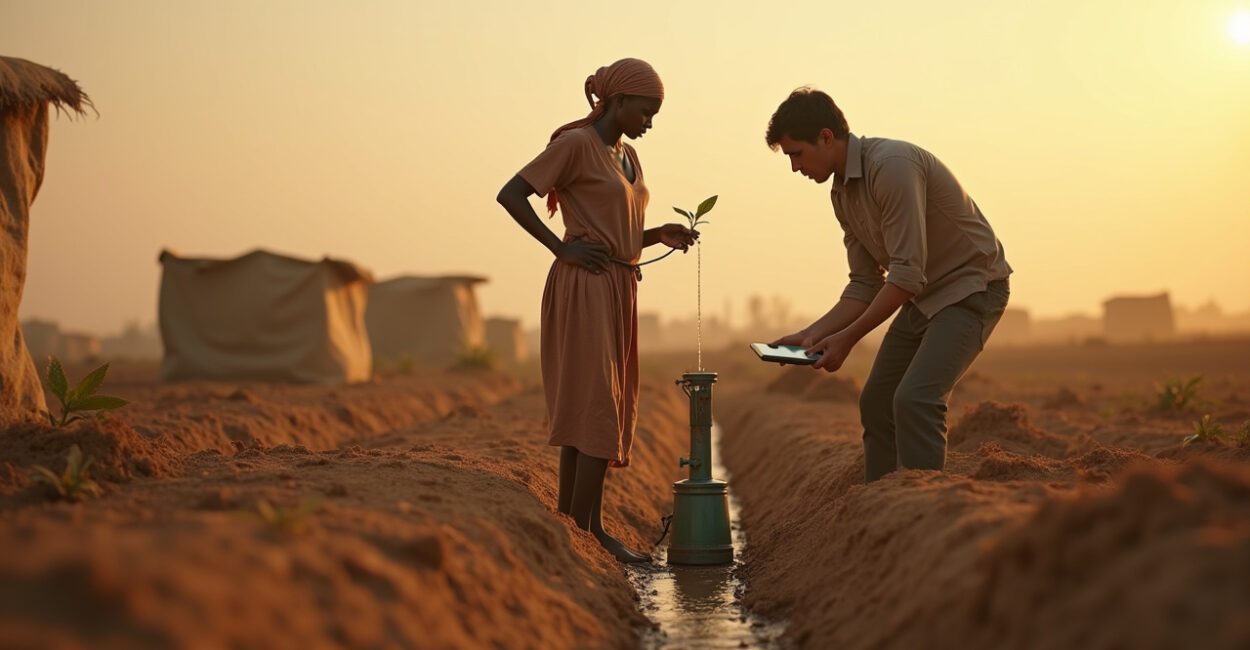
In 2025, the Food and Agriculture Organization (FAO) reported that over 280 million people in Sub-Saharan Africa face severe food insecurity. This alarming figure highlights why the region continues to bear the highest rates of undernutrition worldwide. Understanding the Sub-Saharan Africa food crisis means looking beyond the numbers to the complex factors behind it and recognizing where investment capital can make a meaningful difference.
Addressing this crisis is critical—not only for humanitarian reasons but also because Sub-Saharan Africa’s stability impacts global food security and economic development. This article offers a thorough diagnosis of the root causes driving hunger in the region and explores how investors can engage effectively to help reverse these trends.
The Essentials: What You Need to Know
- More than 280 million people in Sub-Saharan Africa experience severe food insecurity, with children particularly vulnerable to acute malnutrition.
- Climate change and armed conflicts are the two main drivers exacerbating food shortages, disrupting agriculture and supply chains.
- Heavy reliance on imported staples like wheat, combined with soaring inflation and currency devaluation, deepens vulnerability across many countries.
- Smallholder farmers produce 80% of the region’s food but face chronic underinvestment and low productivity, representing both the biggest challenge and greatest opportunity.
- Investment in climate-smart agriculture, mechanization, digital advisory, and risk management tools is growing, offering promising avenues to improve food security sustainably.
Understanding the Scale of the Sub-Saharan Africa Food Crisis in 2026
The Sub-Saharan Africa food crisis is staggering in scale. FAO and the Integrated Food Security Phase Classification (IPC) report that over 280 million people live in severe food insecurity, meaning they cannot meet their basic dietary needs consistently. Among these, children under five face alarming rates of acute malnutrition, with millions suffering from wasting and stunting, which have lifelong consequences for health and development.
Currently, more than a dozen countries in the region are classified as facing crisis or worse (IPC Phase 3 or above). The Sudan alone holds the world’s largest food emergency, while countries like Ethiopia, Somalia, Nigeria, and the Democratic Republic of Congo (DRC) also face severe shortages. Compared to 2015, these figures have worsened, reflecting a trajectory that demands urgent intervention.
| Country | People in Severe Food Insecurity (millions) | IPC Phase |
|---|---|---|
| Sudan | 15.7 | 4+ |
| Ethiopia | 12.4 | 3-4 |
| Somalia | 7.6 | 4 |
| Nigeria | 9.8 | 3+ |
| DRC | 10.1 | 3+ |
| Mali | 4.3 | 3 |
| Burkina Faso | 4.0 | 3 |
| Madagascar | 1.1 | 4 |
| Kenya | 3.8 | 3 |
| Niger | 5.6 | 3+ |
“The dramatic rise in food insecurity since 2015 in Sub-Saharan Africa reflects a complex interplay of climate shocks, conflict, and economic instability that disrupts food systems at every level.”
The Five Root Causes Driving Africa’s Food Crisis
Each factor behind the food crisis in Sub-Saharan Africa interacts with the others, creating a vicious cycle of hunger and poverty.
- Climate Change: The Horn of Africa suffers from prolonged droughts, while West Africa faces unprecedented flooding. These extremes devastate harvests and degrade arable land.
- Armed Conflicts: Civil wars and insurgencies in Sudan, the Sahel region, DRC, and Ethiopia interrupt planting seasons, displace millions, and block humanitarian aid.
- Economic Shocks: Sovereign debt crises, skyrocketing food inflation, and volatile foreign exchange rates limit governments’ and households’ ability to cope.
- Import Dependence: Before 2022, many countries relied heavily on wheat imports from Russia and Ukraine. Disruptions have caused shortages and price spikes.
- Chronic Underinvestment in Agriculture: Despite the Maputo Declaration’s 10% budget target, most governments allocate less than 5% to agriculture, leaving smallholder farmers under-supported.

Why Climate Exposure Makes Sub-Saharan Africa Particularly Vulnerable
More than 95% of agriculture in Sub-Saharan Africa depends on rainfall rather than irrigation systems, making it highly sensitive to climate variability. Many countries in the region have experienced warming well above the global average, increasing the frequency of droughts, floods, and cyclones.
The 2024-25 El Niño event threatens to exacerbate these extremes, especially in countries like Mozambique and Madagascar, which already face cyclone damage. Key staple crops—including maize, sorghum, cassava, and legumes—are highly susceptible to these stresses, leading to sharp drops in yields.
“Agriculture in Sub-Saharan Africa is at the mercy of the climate; without significant adaptation, food production will continue to falter under increasing environmental stress.”
Conflict’s Role in Multiplying Hunger Across the Region
Violent conflicts in Sudan, the Sahel, Ethiopia, and DRC directly cause food shortages by disrupting farming activities, markets, and aid distribution. In Sudan, fighting has led to famine declarations in multiple states, while in the Sahel, terrorism and military coups have destabilized food systems.
Internally displaced populations face limited access to food and livelihoods, and supply chains are frequently cut off. Conflict not only destroys physical infrastructure but also erodes trust and cooperation necessary for recovery.
The Trap of Import Dependence and Its Economic Consequences
Many Sub-Saharan countries depend heavily on imports for staple foods, especially wheat sourced from Russia and Ukraine. The war in Ukraine has caused sharp supply disruptions and price volatility, triggering inflation rates above 10% for food in over 30 countries.
Countries like Egypt, Ethiopia, Nigeria, and Kenya have struggled to pay for imports amid currency depreciation and declining foreign reserves. This scenario pushes vulnerable populations into deeper food insecurity and limits governments’ fiscal space for interventions.
Smallholders: The Heart of the Problem and the Key to Solutions
Smallholder farmers produce approximately 80% of the food consumed in Sub-Saharan Africa, yet they face severe productivity challenges. Average maize yields hover around 1 to 2 tons per hectare, far below the global average of 5 to 6 tons.
Factors like limited access to quality seeds, fertilizers, mechanization, and financial services contribute to this yield gap. Boosting smallholder productivity offers the single largest lever to improve food security and raise incomes sustainably.
“Empowering smallholders with the right inputs and technology transforms the food system from fragile to resilient, creating lasting impact.”
The Investment Opportunity: Where Capital is Flowing in 2026
The African agricultural finance market is expanding rapidly, with billions of dollars flowing into areas that promise scalable impact and financial returns. Key subsectors attracting investment include input distribution (seeds, fertilizers), mechanization-as-a-service, digital advisory, fintech solutions for farmers, parametric insurance, cold chain technologies, and off-grid solar irrigation.
Innovative companies like Hello Tractor, Apollo Agriculture, Pula, and Twiga Foods are examples of market leaders driving growth. Development Finance Institutions (DFIs), impact funds, climate finance, and corporate venture capital are increasingly working through blended finance models that reduce risks and align incentives.
For investors, the target returns range from 5% to 25% IRR, depending on risk appetite and investment structure, with typical horizons of 5 to 10 years. Geographic diversification within regional hubs such as Kenya, Nigeria, and South Africa helps mitigate political and currency risks.
“The intersection of impact and investment in African agriculture is no longer theoretical—it’s a proven pathway to both social progress and financial returns.”
Policy and Institutional Reforms Unlocking Capital Flow
Institutional frameworks like the Comprehensive Africa Agriculture Development Programme (CAADP) and the African Continental Free Trade Area (AfCFTA) are critical to creating an enabling environment. Reforms in land tenure, smart subsidies, and regulatory frameworks improve incentives for investment and productivity.
Organizations such as the Alliance for a Green Revolution in Africa (AGRA) play a vital role in coordinating efforts and scaling innovations. However, gaps remain, especially around enforcing land rights and ensuring equitable access to resources.
Practical Action: What Can Be Done Now to Alleviate the Crisis
Governments should prioritize meeting their commitments to allocate at least 10% of national budgets to agriculture, focusing on climate adaptation and social safety nets. Donors must channel funds into resilience-building programs and support blended finance mechanisms that attract private capital.
Investors should engage through specialized funds and partnerships with proven local enterprises. Corporations can strengthen supply chains by sourcing directly from smallholders under fair contracts, while diaspora communities and consumers can contribute through remittances and advocacy for fair trade policies.
The Bigger Picture: Why Africa’s Food Crisis is a Global Concern
The Sub-Saharan Africa food crisis is not isolated. It intersects with the global food security crisis projected for 2026, affecting migration patterns, geopolitical stability, and international markets. With Africa’s population expected to reach 1.3 billion by 2030, solving these challenges is essential for achieving Sustainable Development Goal 2 (Zero Hunger).
Addressing this crisis offers a pathway to unlock enormous economic opportunities and improve the well-being of millions, making it a priority for the global community.
Next Steps: How to Engage and Make an Impact
With over 280 million people facing hunger, the Sub-Saharan Africa food crisis demands urgent action. The capital flows are increasing, but timing and strategy are critical. Investors and stakeholders should explore blended finance channels, align with policy reforms, and partner with local actors to accelerate change.
Understanding the root causes and seizing the investment opportunities today will help turn the tide on hunger and build resilient food systems for the future.
Why is Sub-Saharan Africa Hit Harder by Food Insecurity Than Other Regions?
Sub-Saharan Africa’s heavier burden of food insecurity stems from a combination of factors: heavy reliance on rainfed agriculture, frequent climate shocks such as droughts and floods, persistent conflicts disrupting farming and markets, and economic vulnerabilities like inflation and currency instability. Unlike other regions, its agricultural productivity remains low due to chronic underinvestment and limited access to modern inputs, making it harder to absorb shocks and ensure food availability year-round.
Which African Country Has the Worst Food Crisis in 2026?
Sudan faces the most severe food crisis in 2026, with multiple states declared in famine conditions. Ongoing conflict, displacement, and poor harvests have created an acute emergency affecting millions. Ethiopia, Somalia, and the Democratic Republic of Congo also face critical food insecurity levels, but Sudan’s combination of conflict and climate impacts places it at the epicenter of the crisis.
How Can Foreign Investors Actually Deploy Capital Into African Agriculture?
Foreign investors can engage through various channels such as Development Finance Institutions, impact funds, and blended finance platforms that mitigate risks. Investing in agri-tech startups, mechanization services, input distribution, insurance products, and supply chain improvements offers practical entry points. Partnering with local enterprises and understanding regional dynamics is essential to navigate regulatory environments and maximize both impact and returns.
Is Investing in African Agriculture Profitable or Only Philanthropic?
Investing in African agriculture can be both profitable and impactful. While some segments require patient capital with modest returns, many areas—like digital advisory, mechanization services, and market linkages—have demonstrated attractive internal rates of return ranging from 15% to 25%. Blended finance structures allow investors to balance financial goals with social impact, making it a viable commercial opportunity.
What’s the Role of the African Union in Solving the Food Crisis?
The African Union (AU) provides leadership through frameworks like CAADP, aiming to boost agricultural productivity and food security. It promotes policy harmonization, facilitates regional trade via AfCFTA, and supports conflict resolution efforts that impact food systems. The AU also encourages member states to meet budget commitments and adopt reforms that create a more conducive environment for investment and sustainable development.