Skip to content
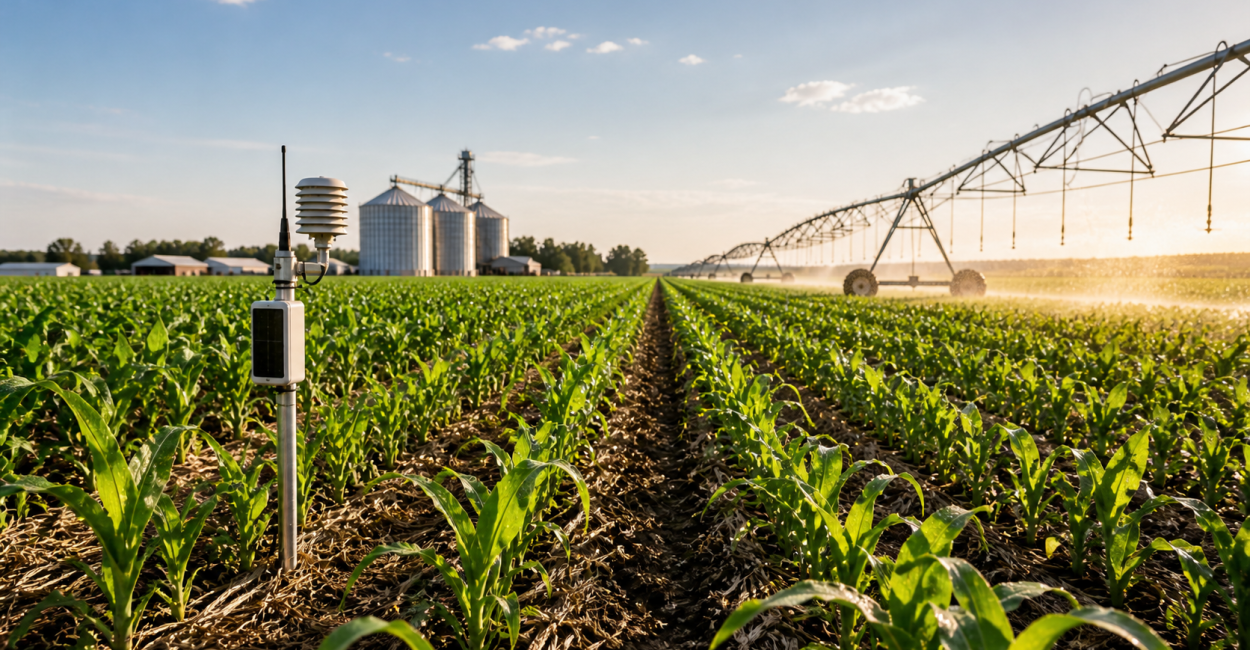
Smart irrigation controllers can reduce farm water use by up to 40% through precise scheduling, but this depends heavily on the existing irrigation method. For example, farms already using well-calibrated drip irrigation will see smaller gains compared to operations relying on flood irrigation, according to Sturms Seed Services. However, in 2026, the primary driver for adopting precision irrigation software is not just sustainability but financial survival. In water-scarce regions, especially the western United States under California’s Sustainable Groundwater Management Act, groundwater pumping restrictions are hitting farms hard. For many, precision irrigation software is no longer optional—it’s essential to maintain water allocations, as highlighted by the Environmental Working Group (EWG).
Most software comparisons either list platforms without agronomic context or come straight from vendor marketing. This article aims to answer the real question: which precision irrigation tools pay back the investment fastest for your type of operation? We’ll compare six leading platforms with transparent pricing, ROI math by farm type, and guidance tailored to orchards, row crops, and vegetables.
The Essentials You Need to Know
- Precision irrigation software integrates soil, climate, and crop data to provide dynamic, zone-specific irrigation recommendations, unlike smart controllers that simply automate schedules based on weather triggers.
- ROI varies widely by crop and baseline irrigation method; farms with flood irrigation stand to save the most water and money, while drip-irrigated farms see more modest gains.
- Hardware costs and connectivity are critical factors—soil sensors offer granular data but require reliable cellular networks and upfront investment, whereas satellite-based platforms have lower entry costs but less precision.
- Federal and state programs like USDA EQIP can subsidize 50% or more of hardware costs, dramatically improving payback timelines for precision irrigation adoption.
- Understanding limitations such as system maintenance, learning curves, and subscription costs is vital to realistic expectations and sustained savings.
Why Precision Irrigation Software is Different from a Smart Controller in 2026
At a glance, smart irrigation controllers and precision irrigation software might seem interchangeable, but they serve very different roles. A smart controller—such as those by Rachio, Hunter, or Rain Bird—automates irrigation based on fixed rules and simple weather inputs. For example, it might delay watering if it rained recently. This reactive approach is helpful but limited.
Precision irrigation software goes deeper. It combines real-time soil moisture, temperature, salinity data, satellite evapotranspiration (ET), crop growth stages, and historical farm data to provide tailored recommendations on exactly how much and when to irrigate each zone. This predictive, adaptive system can say, for instance, “Zone 4 in your almond orchard needs 0.8 inches of water over the next 48 hours due to above-normal ET and soil stress at 18 inches depth.”
Three main inputs differentiate quality platforms:
- Soil sensors: Devices like CropX and AquaSpy provide granular moisture and salinity data at multiple depths but require physical installation and maintenance.
- Satellite/ET-based: Systems like Tule and Manna use satellite imagery and weather data to estimate evapotranspiration without hardware on the ground, lowering setup costs but reducing zone-level precision.
- Plant-based sensors: Hortau’s phytosensors monitor water stress directly from the plant, offering precise crop response data but at a higher sensor cost.
| Approach | Setup Cost | Best For | Limitation |
|---|---|---|---|
| Soil Sensors | $600–$1,200 per sensor | Orchards, vineyards, high-value crops | Requires installation and maintenance |
| Satellite/ET-Based | $4–$6 per acre per year | Row crops, large acreage | Less granular per zone |
| Plant-Based Sensors | $1,000–$2,000 per sensor | Permanent crops premium | Higher cost |
“The key difference between a smart controller and precision irrigation software is that the former reacts to immediate weather changes, while the latter anticipates crop water needs using multi-layered data inputs.”
6 Platforms Compared — Pricing, Water Savings, and Ideal Farm Profile
Pricing transparency in precision irrigation software is rare. Below is a summary based on independent sources (Gitnux Feb 2026, Goodfirms 2026) and vendor quotes. Always verify current pricing directly with providers.
- CropX (including Tule Technologies) Wireless multi-depth soil sensors combined with satellite ET and cloud analytics. Pricing: $600–$1,200 per sensor + $200–$500 annual software license/site. Scale: 70+ countries, 20,000+ users, 100+ crops. Water savings: Up to 40% documented. Best for: Large orchards, vineyards, row crops seeking integrated agronomy and irrigation. Limitation: Hardware cost and need for reliable cellular coverage.
- Hortau Proprietary phytosensors monitoring plant water stress directly. Pricing: $1,000–$2,000 per sensor + $500–$1,000 annual subscription per sensor. Water savings: 20–30% with documented yield improvements. Best for: High-value orchards, vineyards, nut crops in high water-cost areas. Limitation: Sensor cost and narrower crop range.
- Tule Technologies (now part of CropX) Satellite-based crop evapotranspiration estimates without field sensors. Pricing: $4–$6 per acre annually. Water savings: 20–30% proven. Best for: Large-scale permanent crops in water-scarce zones. Limitation: Less zone-level precision.
- Manna Irrigation Intelligence Sensor-free, cloud-based recommendations via satellite crop monitoring. Pricing: Not publicly disclosed; subscription based on acreage. Best for: Farmers starting precision irrigation with low entry cost; row crops. Limitation: Less precise than soil sensor systems.
- AquaSpy Wireless sensors monitoring crop water stress to optimize irrigation timing. Pricing: Custom quotes. Best for: Row crops and orchards prioritizing yield optimization. Limitation: Limited integration with broader farm management software.
- Verdi Automation system connecting valves and pumps to existing irrigation infrastructure. Pricing: Not publicly disclosed; hardware + subscription model. Best for: Farmers seeking quick labor savings without replacing infrastructure. Limitation: Focus on automation, not detailed irrigation analytics.
| Platform | Pricing | Setup | Best For | Water Savings |
|---|---|---|---|---|
| CropX | $600–$1,200/sensor + $200–$500/year | Hardware + software | All-in-one, diverse crops | Up to 40% |
| Hortau | $1,000–$2,000/sensor + $500–$1,000/year | Hardware + software | Premium orchards | 20–30% |
| Tule (CropX) | $4–$6/acre/year | Software only | Permanent crops | 20–30% |
| Manna | Subscription (undisclosed) | Software only | Row crops, low barrier | Variable |
| AquaSpy | Custom quote | Hardware + software | Yield-focused crops | Variable |
| Verdi | Custom quote | Hardware + subscription | Labor automation | Variable |
Best Precision Irrigation Software by Farm Type
Each farm’s water-saving potential depends on crop type, acreage, and existing irrigation baseline.
- Row crops (corn, soy, wheat): Tule/CropX satellite-based platforms or Manna offer cost-effective options without hardware. Large acreage demands low per-acre costs; granular zone precision is less critical here. Hortau is usually too costly for commodity margins.
- Permanent crops (almonds, pistachios, wine grapes, citrus): CropX with soil sensors or Hortau’s plant-based sensors provide micro-stress management that justifies higher hardware costs. Satellite-only options may lack needed granularity.
- Vegetables and specialty crops: CropX’s flexibility suits rapid crop rotations, while Verdi’s automation can save significant labor without infrastructure overhaul.
- Small to mid-sized orchards (<100 acres): Manna’s sensor-free model or Verdi’s labor-saving automation offer affordable entry points where per-acre costs must stay low.
What Precision Irrigation Software Cannot Do (Honest Limitations)
No system is perfect. Here are key limitations often glossed over by vendors:
- Connectivity dependency: Soil sensors require reliable cellular coverage to deliver real-time data. Rural areas with spotty 3G/4G often experience gaps or delays. Satellite-based platforms mitigate this but depend on cloud cover for image quality.
- Hardware condition matters: Software can’t fix clogged emitters, leaks, or inconsistent pivot pressure. Proper irrigation system maintenance is a prerequisite for software effectiveness.
- Learning curve: Sophisticated platforms like CropX need 1-2 seasons to calibrate models to a farm’s specific conditions. Water savings in year one might be modest compared to years two and three.
- Baseline irrigation affects savings: Farms with well-managed drip irrigation might only see 10% water savings, whereas flood-irrigated farms could save up to 40%. High savings numbers often compare to outdated irrigation methods.
- Subscription costs are recurring: ROI calculations assume ongoing software subscriptions. Stopping the service ends the water savings, so farmers must consider this as a recurring operational expense.
“Precision irrigation software amplifies savings only when paired with well-maintained irrigation systems and reliable connectivity; otherwise, it risks underdelivering on its promise.”
Grants and Cost-Share Programs for Precision Irrigation Adoption
Upfront hardware costs can be a barrier, but many farmers qualify for federal and state cost-share programs that reduce this burden significantly.
- USDA NRCS EQIP (Environmental Quality Incentives Program): Practice 449 (Irrigation Water Management) offers 50–75% cost-share for precision irrigation systems. Practice 441 supports microirrigation with scheduling software. Western states typically have higher payment rates tied to water conservation goals.
- USDA $700M Regenerative Pilot Program (Dec 2025): Targets water quality improvements; precision irrigation that reduces runoff and water use may qualify.
- State Programs: California’s DWR Water Efficiency Grants and Sustainable Groundwater Management grants; Arizona’s ADWR water conservation incentives; Colorado’s CWCB precision irrigation grants.
In practice, these programs can cut hardware costs by more than half, substantially improving payback periods. Farmers should calculate ROI based on post-subsidy costs rather than list prices.
How to Choose the Right Precision Irrigation Software for Your Farm
Choosing a platform requires balancing cost, crop type, farm size, and technical capacity.
- Assess your baseline irrigation method: The greater the inefficiency, the higher your potential savings.
- Consider connectivity: Reliable cellular or internet coverage is essential for soil sensor-based platforms.
- Match technology to crop value: High-value permanent crops justify higher sensor investments; row crops benefit from satellite-based or low-cost options.
- Account for labor savings: Automation platforms like Verdi may offer rapid ROI through reduced planning and manual intervention.
- Factor in subsidies and cost-share programs: Incorporate these into your budget and payback calculations.
In my experience working with farmers across California and the Midwest, those who align software choice with their farm’s unique water challenges and economic realities enjoy payback periods as short as six months. Conversely, farms that pick platforms based solely on price often face disappointing results.
Next Steps to Implement Precision Irrigation Software in 2026
Start by auditing your current irrigation system and water costs to establish a baseline. Then, explore local cost-share programs to reduce upfront investment. Trial platforms with scalable pricing or pilot projects that fit your crop type and acreage. Monitor water use closely alongside yield metrics to validate ROI. Precision irrigation software is a powerful tool, but its success depends on integration with your irrigation hardware and farm management practices.
Take action now—contact vendors for demos, engage with local USDA offices about EQIP, and consider how water scarcity regulations may impact your farm’s future. The right software can not only conserve precious water resources but also protect your bottom line.
What is Precision Irrigation Software, and How Does It Differ from Traditional Irrigation Controllers?
Precision irrigation software uses a combination of soil sensors, satellite data, and plant-based sensors to provide dynamic, zone-specific watering recommendations based on real-time environmental and crop data. Unlike traditional smart controllers that automate schedules reactively based on weather, precision software predicts water needs using multiple data layers, allowing for more efficient and targeted irrigation.
How Much Water Can Farms Realistically Save by Using Precision Irrigation Software in 2026?
Water savings depend on crop type and current irrigation methods. Farms transitioning from flood irrigation can see up to 40% water reduction, while those with well-managed drip systems may save closer to 10-20%. Savings also improve over time as software models calibrate to the farm’s unique conditions across seasons.
What Are the Typical Costs Involved in Adopting Precision Irrigation Software?
Costs vary widely. Soil sensor platforms like CropX or Hortau require $600–$2,000 per sensor plus annual subscriptions ranging from $200 to $1,000. Satellite-based options like Tule cost $4–$6 per acre per year without hardware expenses. Automation platforms like Verdi have custom pricing. Many growers offset costs through federal and state grants.
Can Precision Irrigation Software Replace Irrigation System Maintenance?
No. Precision irrigation software relies on the physical irrigation infrastructure functioning properly. Clogged emitters, leaks, or pressure issues must be addressed independently. The software’s recommendations only work if the system can deliver water as planned.
Are There Financial Assistance Programs to Help with the Cost of Precision Irrigation Tools?
Yes. The USDA NRCS EQIP program offers 50–75% cost-share for precision irrigation hardware and management systems, particularly in Western states. Additional federal pilots and state-specific grants in California, Arizona, and Colorado also support adoption. These programs significantly reduce initial investment and improve ROI.