Skip to content
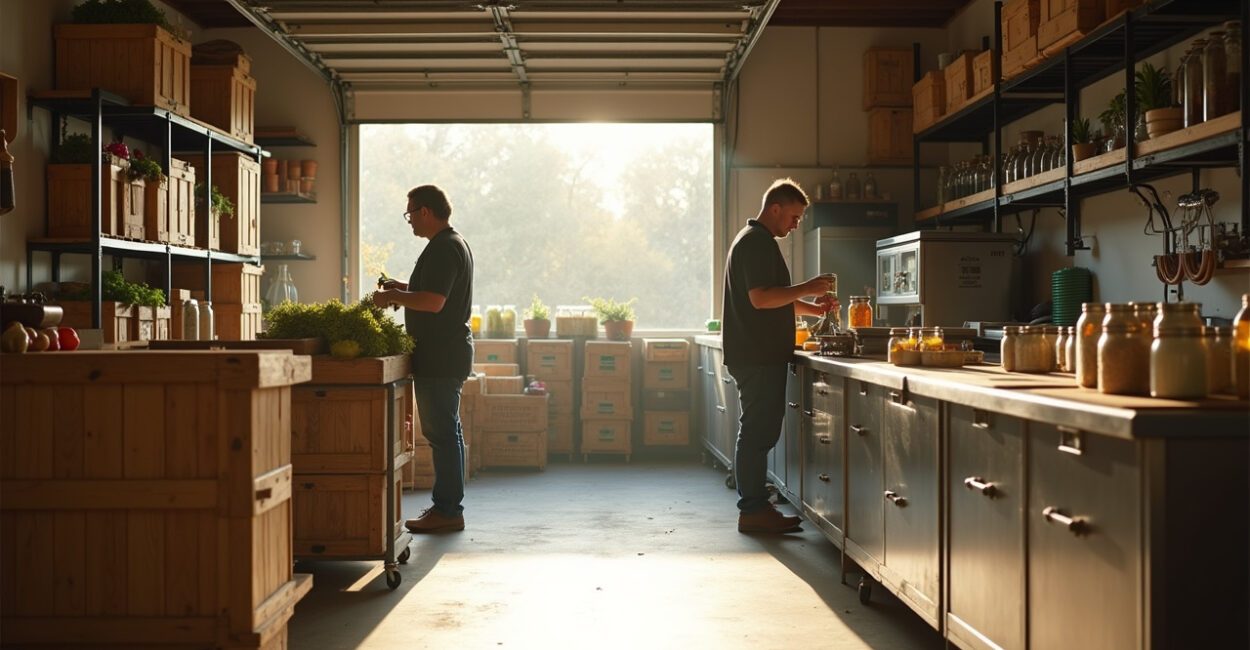
Setting up an efficient home production line can transform a simple hobby or small-scale operation into a streamlined, cost-effective manufacturing process. Whether you’re crafting artisanal products, managing a small agricultural output, or handling livestock processing, organizing your workspace with a clear production flow is crucial. A well-designed home production line minimizes waste, reduces handling time, and boosts productivity without requiring industrial-scale investment.
In this guide, we’ll break down the essentials of establishing a home production line tailored to your specific needs. From layout planning and equipment selection to workflow optimization and quality control, you’ll gain practical insights that connect theory with the realities of daily operations in agriculture, livestock, or gardening. This approach is grounded in professional experience and strategic management principles, ensuring you get results that matter.
The Key Points You Need to Know
- A home production line is a sequence of organized steps designed to maximize output with limited space and resources.
- Successful setups depend on matching equipment and workflow to the product type, whether in agriculture, livestock, or horticulture.
- Strategic layout planning reduces unnecessary movement and increases efficiency, often by 30% or more in time saved.
- Quality control integrated at every stage prevents costly rework and ensures consistent product standards.
- Understanding your market demand and production capacity helps avoid under- or over-investment in tools and processes.
How to Plan a Home Production Line for Small-Scale Manufacturing
Planning is the foundation of any efficient production line, particularly in a home setting where space and resources are limited. Start by mapping out each step your product undergoes—from raw materials to the finished item ready for sale or use. In agriculture, this might include planting, harvesting, sorting, and packaging. In livestock management, it could involve feeding, health checks, processing, and storage.
Identify bottlenecks and areas where tasks overlap or cause delays. Tools like flowcharts or simple diagrams help visualize the entire process and spot inefficiencies early. Prioritize ergonomics to reduce physical strain, which is crucial when working alone or with a small team.
“In practice, a well-planned home production line cuts down wasted motion and time, directly impacting profitability without expanding space.”
Essential Equipment and Tools for a Home Production Line
The choice of equipment depends heavily on your product and scale. For example, a small vegetable grower might invest in seedling trays, pruning shears, and a compact cold storage unit. A poultry farmer could prioritize automated feeders and basic processing tools. The key is selecting versatile, durable equipment that fits your budget and workflow.
Energy efficiency and maintenance requirements should influence your choices. Using manual tools sometimes outperforms small electric devices in reliability and cost savings. Always consider the total cost of ownership, including repairs and consumables, rather than just the purchase price.
Examples of Useful Equipment by Sector
- Agriculture: Raised beds, drip irrigation kits, handheld harvesters.
- Livestock: Portable scales, grooming tables, feed mixers.
- Gardening: Soil testers, pruning shears, compost bins.

Optimizing Workflow to Maximize Productivity at Home
Workflow optimization means arranging your production steps to flow logically and continuously, minimizing backtracking or idle time. For instance, grouping related tasks physically close reduces movement. In livestock care, setting up stations for feeding, cleaning, and medical checks sequentially avoids unnecessary walking.
Automation and task batching can also improve throughput. For example, processing multiple plants or animals in groups rather than individually saves time. However, avoid overcomplicating the line with too many machines, which might cause breakdowns or require skills you don’t have yet.
Quality Control Practices for Consistent Results
Integrating quality control at several checkpoints ensures problems are spotted early, preventing waste and customer dissatisfaction. This includes inspecting raw materials upon arrival, monitoring processing steps for consistency, and final product checks.
Keep simple logs or digital records to track issues and improvements. When working with perishable goods, temperature and hygiene controls are non-negotiable. A small home production line can maintain high standards by adopting techniques from larger operations but scaled accordingly.
Case Study: Setting Up a Poultry Home Production Line
A friend of mine who runs a small poultry operation at home shared how reorganizing her setup cut processing time by 40%. She separated live bird handling, cleaning, and packaging into distinct stations arranged in a U-shape, allowing a smooth flow that avoided cross-contamination. By investing in a basic automated feeder, she freed up time for health monitoring and record-keeping, improving overall flock management.
“The difference between an ad-hoc setup and a structured home production line appears when you scale from a dozen to a hundred units without losing quality or increasing labor.”
Understanding the Limits and When to Scale Up
While a home production line can significantly improve small-scale manufacturing, it has natural limits. Space constraints, labor availability, and regulatory requirements often cap production capacity. For example, health regulations in livestock processing might require licenses or facility standards that a home setup can’t meet.
When demand grows beyond your line’s capacity, it’s time to evaluate outsourcing, renting commercial space, or investing in larger equipment. Planning for scalability from the start avoids costly rework later. Not every method works universally—what succeeds for horticulture may not apply to animal husbandry.
How Strategic Management Enhances Home Production Efficiency
Managing a home production line isn’t just about tools and layout; it involves strategic decisions on resource allocation, timing, and market alignment. Keeping track of expenses, forecasting sales, and adjusting production schedules based on seasonality or demand spikes keeps the operation sustainable.
Using simple project management tools or spreadsheets can help track inputs and outputs, while regular review meetings—even informal ones—ensure continuous improvement. Strategic management connects practical daily operations with long-term business goals, making the difference between a hobby and a viable enterprise.
What to Do Next: Implementing Your Home Production Line
Start by assessing your current process in detail. Sketch your workflow and identify inefficiencies or pain points. Then, prioritize changes that deliver the highest impact with the least investment. Test layout changes or equipment upgrades on a small scale before fully committing.
Set clear quality standards and track your progress. Engage with local agricultural extension services or industry groups for technical advice and support. Continuous iteration is key: a home production line is never “finished” but evolves as you learn. The best results come when you combine hands-on experience with strategic planning.
Frequently Asked Questions
What Exactly is a Home Production Line and Why is It Important?
A home production line is an organized sequence of steps designed to manufacture products efficiently within a limited space, typically at a small or household scale. It’s important because it streamlines the process, reduces wasted time and materials, and can increase product quality and consistency. This approach is valuable for small farmers, hobbyists, or entrepreneurs aiming to scale without large investments.
How Can I Optimize My Workflow Without Buying Expensive Equipment?
Workflow optimization can be achieved by rearranging your workspace to minimize unnecessary movement, grouping similar tasks together, and batching work to handle multiple items at once. Simple changes like clear labeling, dedicated stations, and time-blocking tasks can significantly improve productivity without the need for costly machines or tools.
Are There Specific Quality Control Measures I Should Apply in a Home Production Line?
Yes, even small-scale operations benefit from quality checks at critical points: inspecting raw materials, monitoring each production step for consistency, and final product inspection. Keeping records of issues and adjustments helps identify trends and prevents recurring problems. Hygiene and safety protocols are especially important in food or livestock production.
When Should I Consider Expanding Beyond a Home Production Line?
Expansion becomes necessary when your current setup cannot meet increasing demand without sacrificing quality or when regulations require facilities beyond home standards. If you find your space or labor capacity limiting, or if compliance with industry laws becomes complex, it’s time to consider commercial options or partnerships to scale effectively.
What Role Does Strategic Management Play in Running a Home Production Line?
Strategic management involves planning, monitoring, and adjusting your production activities to align with business goals. It includes budgeting, forecasting, scheduling, and continuous improvement efforts. Proper management ensures that resources are used efficiently, production meets market needs, and the operation remains sustainable over time.