Skip to content
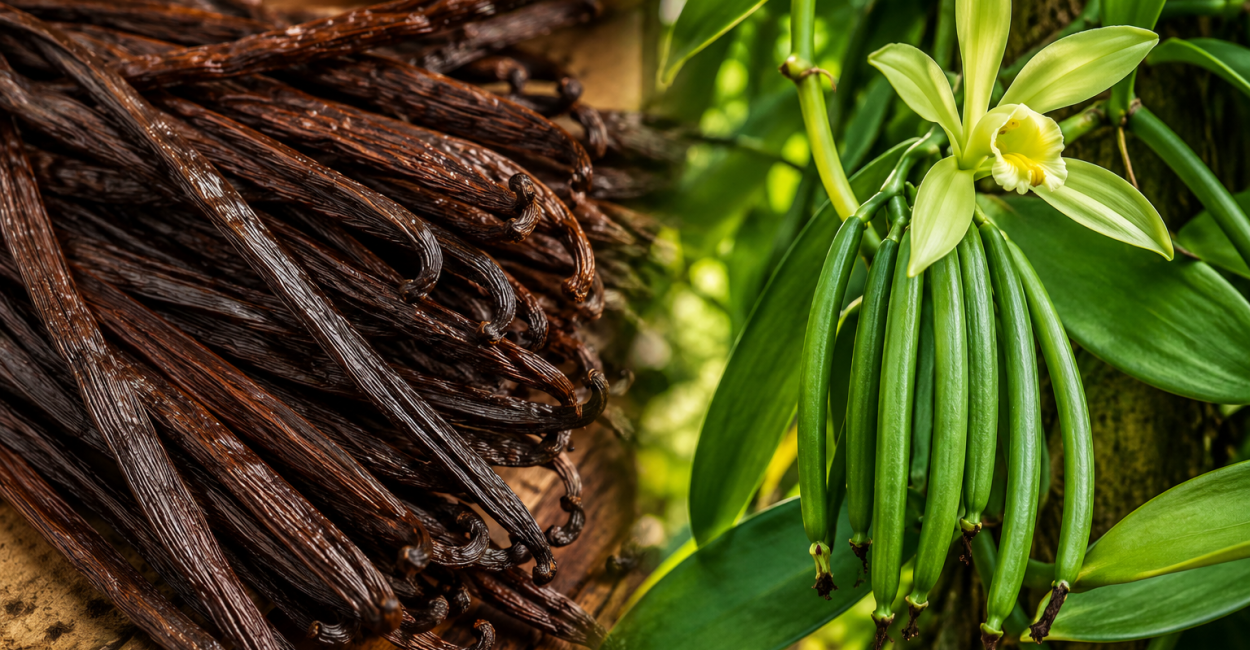
Grade A vanilla beans commanded prices as high as $600 per kilogram in 2026, with vanilla paste reaching $800 per kilogram, ranking among the priciest raw agricultural products globally. Yet, vanilla farming carries a paradox that catches many unprepared investors off guard: over the past decade, vanilla prices have swung wildly—from as low as $20 per kilogram to over $600 per kilogram. These fluctuations largely hinge on Madagascar’s harvest, which supplies more than 80% of the world’s vanilla. This volatility makes vanilla farming a high-risk venture, especially in the U.S.
Investing between $75,000 and $200,000 per acre, you can expect to wait 4 to 5 years before seeing any revenue. Imagine planning your business model around a $250 per kilogram price, only to discover the market price has plunged to $60 because Madagascar had a bumper crop. This scenario discourages many American farmers from entering the vanilla market. This article aims to unpack the real startup costs across three scales of operation, provide an honest timeline to first harvest, and critically analyze price volatility—a factor most vanilla farming guides overlook.
The Essentials of Vanilla Bean Farming
- Vanilla farming demands specific tropical conditions and manual labor-intensive pollination that directly shape its business model and costs.
- Initial investments vary widely, from $107,000 to over $600,000 depending on whether farming is outdoor or greenhouse-based, with multi-year wait times before revenue.
- Labor can account for up to 60% of annual operating costs due to the necessity of hand-pollinating flowers within a very narrow window.
- Price volatility driven by Madagascar’s harvest cycles makes commodity-scale vanilla farming financially risky in the U.S., pushing growers toward premium niche markets.
- Break-even points typically occur between years 5 and 9, requiring capital reserves and patience that not all investors can afford.
Understanding Vanilla Bean Farming: Biology and Cultivation Challenges
Vanilla bean farming revolves around the vanilla orchid, specifically Vanilla planifolia, a climbing orchid native to Mexico. This plant’s biology imposes strict cultivation requirements that no amount of capital can fully circumvent. It thrives only in USDA hardiness zones 10 through 12, which include select parts of Florida, Hawaii, and Puerto Rico. Outside these zones, greenhouse cultivation becomes mandatory, drastically increasing costs.
Temperature and humidity are non-negotiable: daytime temperatures must stay between 80 and 95°F (27–35°C), never dropping below 55°F at night, with consistent humidity levels of 80–90%. The vines require physical support structures—either tutor trees or trellises—to climb, which adds $3,000 to $8,000 per acre in setup costs.
The most significant operational hurdle is manual pollination. A vanilla flower opens just once for a few hours and must be hand-pollinated immediately. This creates a peak labor period of 7 to 14 days, demanding 2 to 3 workers per acre at rates of $15 to $25 per hour. Unlike mechanized crops, vanilla’s pollination can’t be postponed or automated, making labor costs inflexible and substantial. Labor easily represents up to 60% of annual operating expenses, challenging U.S. growers competing against Madagascar producers who pay $1 to $3 per day.
“The difference between successful vanilla farming and failure often boils down to mastering pollination timing and managing labor costs in a highly perishable window.”
Investment Required: Comparing Three Operation Scales
Startup costs for vanilla bean farming vary dramatically depending on location and scale. Here are three realistic investment scenarios:
Outdoor Farming in Tropical Zones (Florida, Hawaii, Puerto Rico)
- Land acquisition or leasing: $10,000–$20,000 per acre
- Support structures (trees or trellises): $3,000–$8,000 per acre
- Vine stock (800–1,000 plants/acre): $4,000–$15,000
- Irrigation systems: $5,000–$20,000 per acre
- Processing and curing equipment: $5,000–$25,000
- Working capital to cover 4 years without revenue: $80,000–$160,000
- Total estimated investment: $107,000–$248,000 per acre
Greenhouse Farming (Any U.S. State)
- 1-hectare greenhouse setup: $150,000–$300,000
- Climate control systems: $20,000–$40,000
- Vine stock and support structures: $15,000–$25,000
- Processing equipment: $25,000–$50,000
- Working capital for 4+ years: $120,000–$200,000
- Total estimated investment: $330,000–$615,000 per hectare (about 2.5 acres)
These figures show that greenhouse vanilla farming is significantly more capital-intensive, often pricing out small growers unless targeting ultra-premium markets. Outdoor farming remains the most feasible but demands being within USDA tropical zones.
“Outside tropical zones, the need for costly greenhouses puts vanilla farming at a structural disadvantage versus tropical producers.”

Revenue Projections: What Mature Vanilla Farming Operations Can Achieve
After the initial 4–5 year wait, a mature vanilla farm can produce between 100 and 200 kilograms of cured vanilla beans per acre annually. This is the result of curing green beans, which lose approximately 80% of their weight during processing.
| Scenario | Yield (kg cured beans/acre) | Price per kg | Gross Revenue per Acre |
|---|---|---|---|
| Conservative (commodity prices) | 100 | $150 | $15,000 |
| Base (2026 market prices) | 150 | $300 | $45,000 |
| Optimistic (premium/artisan market) | 200 | $500 | $100,000 |
Break-even analysis for a 1-acre outdoor operation reveals total startup and operating costs around $175,000 before revenue begins in year five. Revenue at that point may be $45,000, increasing to $45,000–$100,000 annually from year six onward. Realistic break-even ranges between years 7 and 9, or as early as year 5 in the best-case premium price scenario.
Who Should and Shouldn’t Consider Vanilla Bean Farming
Vanilla farming is a niche venture with strict requirements and significant risks. It suits specific profiles:
- Suitable for: Growers in USDA zones 10–12 who can avoid greenhouse costs.
- Those with established relationships with premium buyers—chocolatiers, perfumers, and chefs—who value American-grown, traceable vanilla and pay $400–$600 per kilogram regardless of commodity swings.
- Investors with enough capital to endure at least 5 years without income, ideally with diversified farm income streams.
- Individuals comfortable with price volatility or with contracts that hedge against market fluctuations.
Conversely, vanilla farming is ill-advised for those outside tropical zones who cannot justify greenhouse investments, those expecting quick returns, or those targeting commodity markets where Madagascar and Indonesian producers dominate on price.
“Vanilla farming in the U.S. is not a quick path to profit but can reward patient, well-capitalized growers focused on premium markets.”
Mitigating Price Volatility: Strategies and Realities
The vanilla market’s notorious volatility stems mainly from Madagascar’s influence. When Madagascar experiences a strong harvest, global prices plummet; poor harvest years send prices soaring. This unpredictability complicates investment decisions.
To mitigate risk, growers can pursue forward contracts with premium buyers, locking in prices before harvest. Diversifying crops reduces financial pressure if vanilla prices drop. Some farmers integrate vanilla as a specialty crop within a broader diversified farm, balancing cash flow and risk.
Despite these strategies, volatility remains a defining characteristic of vanilla farming. New entrants must plan for price swings and avoid relying solely on optimistic price forecasts. Conservative financial modeling and contingency planning are essential.
Processing and Curing: The Hidden Key to Quality and Value
Vanilla bean quality depends heavily on proper curing and processing, a labor-intensive process that transforms raw green beans into aromatic, flavorful cured beans. Curing involves stages of blanching, sweating, drying, and conditioning over several months.
Equipment investments range from solar dryers to climate-controlled curing rooms, each impacting final product consistency. Skimping on processing compromises quality and market price, while investing in adequate curing infrastructure can boost returns by unlocking premium market segments.
Experienced growers know curing is as critical as cultivation. It requires knowledge, patience, and capital—factors that novices often underestimate.
Labor Management in Vanilla Bean Farming: The Most Critical Factor
Labor is the backbone of vanilla bean farming. From installing support structures to hand-pollination and harvesting, human effort dominates the production cycle. The pollination window is especially demanding; missing it means no beans that year.
Labor costs in the U.S. can be prohibitive compared to Madagascar, where daily wages are dramatically lower. This cost gap pressures U.S. growers to focus on high-value, artisan vanilla rather than bulk commodity production. Efficient labor scheduling, training, and possibly mechanization of non-pollination tasks are vital for economic viability.
“In vanilla farming, labor isn’t just a cost—it’s the defining constraint shaping what scale and market you can realistically pursue.”
Next Steps for Prospective Vanilla Farmers
For those considering vanilla bean farming, the path requires careful planning, patience, and realistic expectations. Start by assessing your climate zone suitability and capital availability. Build relationships with premium buyers early to secure forward contracts that hedge price risks. Diversify income streams to withstand the long wait before profitability.
Test small-scale operations before scaling up, and invest in proper labor management and curing infrastructure. Vanilla farming is not for every grower, but with strategic execution and a focus on quality, it can become a rewarding specialty agricultural business.
What is the Typical Timeline from Planting Vanilla Vines to First Harvest?
Vanilla vines usually require 4 to 5 years before producing their first significant harvest. This period includes growth, vine establishment, and the first flowering cycles. During these years, there is no revenue, making upfront capital and patient cash flow management essential for success.
Why is Manual Pollination Necessary in Vanilla Bean Farming?
Vanilla orchids open their flowers for only a few hours once per year, during which natural pollinators are scarce outside their native habitat. Manual pollination ensures fruit set, requiring skilled labor to hand-pollinate each flower within this narrow window. This labor-intensive process is crucial and cannot be mechanized.
How Does Location Impact the Feasibility of Vanilla Farming in the U.S.?
Vanilla plants need tropical conditions found only in USDA zones 10–12, such as parts of Florida, Hawaii, and Puerto Rico. Outside these zones, greenhouses with climate control are mandatory but expensive. Location thus directly affects startup costs, operational complexity, and ultimately financial viability.
What Are the Main Risks Associated with Vanilla Bean Farming?
The biggest risks include price volatility driven by Madagascar’s harvest cycles, high labor costs, a long wait before revenue, and strict climatic requirements. Market prices can swing drastically, and failure to pollinate on time leads to lost crops, making vanilla farming a high-risk, high-reward venture.
Can Vanilla Farming Be Profitable in the Commodity Market?
Competing on price with Madagascar and Indonesian producers in the commodity vanilla market is challenging due to lower labor costs overseas. Profitability in the U.S. typically relies on targeting premium or artisan markets that pay higher prices for traceable, high-quality vanilla, rather than bulk commodity volume.