Skip to content
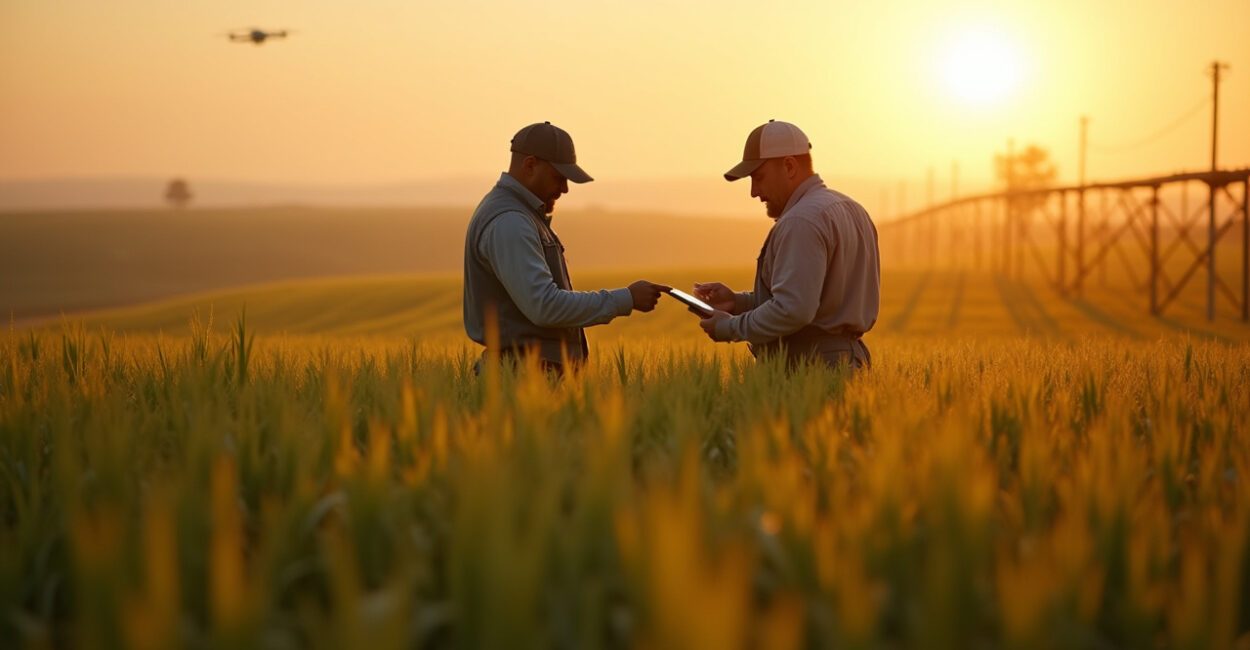
In agribusiness, managing the risks posed by shifting climate patterns is no longer optional—it’s essential for sustaining profitability. Climate risk management refers to the systematic process of identifying, assessing, and mitigating the impacts of climate-related hazards on agricultural operations. From unpredictable rainfall to rising temperatures, these factors can drastically affect crop yields and livestock health, threatening the very foundation of farming enterprises.
This article explores practical climate risk management strategies that local agribusinesses can implement to minimize losses and enhance profitability. Grounded in real-world experience and supported by authoritative sources, it connects technical concepts with actionable steps, aiming to empower agronomists, livestock managers, and farm owners to adapt effectively to environmental variability.
The Essentials of Climate Risk Management in Agribusiness
- Climate risk management combines data-driven assessment and adaptive strategies to reduce vulnerability to environmental hazards in farming.
- Integrating early warning systems and diversified crop and livestock planning can significantly lower financial losses caused by extreme weather events.
- Practical application demands understanding local climate trends, using climate-resilient seed varieties, and improving water resource management.
- Effective management strengthens supply chain resilience, ensuring stable production and market access despite climatic disruptions.
- While no method eliminates all risks, combining multiple tools enhances overall farm sustainability and profitability.
Understanding Climate Risk Management and Its Role in Agribusiness
Climate risk management is a multidisciplinary approach that integrates meteorological data, agronomic science, and strategic planning to address uncertain environmental conditions. Technically, it involves risk identification (recognizing climate hazards such as droughts, floods, and temperature extremes), risk assessment (quantifying potential impacts on crops, livestock, and infrastructure), and risk reduction (deploying mitigation and adaptation practices). In everyday terms, it means preparing farms to withstand climate shocks through smarter decision-making and resource allocation.
For instance, the Food and Agriculture Organization (FAO) highlights that climate risk management helps farmers “anticipate, respond to, and recover from climate impacts” (FAO, 2023). This proactive stance differentiates resilient operations from those vulnerable to climate shocks.
“Incorporating climate risk management transforms agribusinesses from reactive to proactive, enabling strategic adaptation rather than costly recovery.” – Adapted from FAO guidelines
Identifying and Assessing Climate Risks Specific to Local Agribusinesses
Effective risk management starts with pinpointing the specific climate threats faced by a farm. Localized risk assessments consider historical weather patterns, soil conditions, and crop or livestock sensitivities. For example, a cattle ranch in the U.S. Midwest must evaluate drought frequency and heat stress impacts on animal health, while a tropical fruit farm in Brazil focuses on flood risk and disease proliferation due to humidity.
Tools such as climate models and remote sensing data help quantify these risks, supporting informed decisions. The National Oceanic and Atmospheric Administration (NOAA) provides free climate risk assessment resources tailored to specific regions (NOAA, 2024), which agribusinesses can leverage to anticipate potential hazards and plan accordingly.

Implementing Adaptive Strategies to Mitigate Climate Risks in Agriculture and Livestock
Once risks are identified, adaptation strategies become vital. Crop diversification, adjusting planting dates, and adopting drought-tolerant or pest-resistant varieties can buffer against climate variability. In livestock management, improving shade structures, water availability, and nutrition reduces heat stress and disease vulnerability.
Experience shows that farms integrating diversified crops and mixed livestock systems tend to perform better under erratic weather conditions. For example, a farmer in Kansas reported a 15% yield increase after introducing cover crops and rotational grazing, which improved soil moisture retention and pasture resilience.
“Diversification is more than risk spreading—it actively builds ecosystem resilience, making farms climate-ready.” – Practical Agronomy Review, 2023
The Role of Technology and Data Analytics in Climate Risk Management
Modern agribusiness increasingly relies on technology to manage climate risks. Satellite imagery, IoT sensors, and predictive analytics enable precise monitoring of soil moisture, temperature fluctuations, and pest outbreaks. These tools provide early warnings, allowing timely interventions such as irrigation adjustments or pest control.
Data platforms like Climate FieldView and IBM’s The Weather Company offer customized insights to farmers, enhancing decision-making. However, technology adoption depends on affordability and technical literacy, which can limit access for some small-scale producers.
Financial Instruments and Insurance as Tools for Managing Climate Risk
Financial mechanisms complement physical adaptation by transferring or absorbing climate-related losses. Crop insurance, weather-indexed insurance, and disaster relief funds provide safety nets. For example, weather-indexed insurance pays out based on measurable climate triggers (e.g., rainfall levels), reducing claim processing time and moral hazard.
The World Bank reports that in regions where these instruments are well-integrated, farmers recover faster and reinvest more confidently (World Bank, 2023).
Building Resilient Supply Chains Through Climate Risk Management
Climate impacts don’t stop at the farm gate—they ripple through supply chains affecting storage, transport, and markets. Effective risk management incorporates supply chain analysis to identify vulnerabilities, such as reliance on single suppliers or transport routes prone to flooding.
Strategies include diversifying suppliers, investing in climate-resistant infrastructure, and improving logistics flexibility. This holistic approach ensures agribusinesses maintain product flow, reduce waste, and protect market relationships amid climate disruptions.
Limits and Challenges in Climate Risk Management for Agribusiness
While climate risk management offers powerful tools, it is not a universal fix. Limitations include uncertainty in climate projections, financial constraints, and knowledge gaps among farmers. For example, some adaptation techniques effective in one region may fail in another due to soil differences or socio-economic factors.
Moreover, abrupt, extreme events like unprecedented floods or heatwaves can overwhelm even the best-prepared operations. Recognizing these limits is essential for setting realistic expectations and continuously refining strategies.
“Climate risk management is a dynamic process demanding constant learning, adaptation, and integration of new knowledge.” – Journal of Agricultural Sustainability, 2024
What to Do Now: Applying Climate Risk Management to Boost Profits
Start by conducting a detailed climate risk assessment tailored to your agribusiness location and operations. Use reliable data sources such as NOAA or local meteorological services. Next, implement adaptive measures like crop diversification, improved water management, and technology adoption suited to your farm’s scale and resources.
Consider financial tools like weather-indexed insurance to safeguard investments. Finally, examine your supply chain for vulnerabilities and build flexibility to maintain consistent market access. Regularly revisit and update your climate risk plan to respond to evolving conditions.
Taking these steps transforms climate uncertainty into manageable challenges, ultimately protecting and enhancing profitability in agribusiness.
Frequently Asked Questions About Climate Risk Management
What Are the Main Climate Risks That Affect Agribusiness Profitability?
Climate risks impacting agribusiness include drought, flooding, temperature extremes, and increased pest or disease outbreaks. These hazards can reduce crop yields, harm livestock health, and damage infrastructure. Understanding which risks are most relevant locally allows farmers to tailor their management strategies effectively, minimizing financial losses and maintaining steady production.
How Can Small-scale Farmers Implement Climate Risk Management Without High Costs?
Small-scale farmers can adopt low-cost adaptive practices such as crop diversification, soil conservation techniques, and rainwater harvesting. Leveraging community knowledge, cooperative resources, and free climate information tools also helps. Additionally, joining local insurance schemes or government-supported programs can provide financial protection without excessive expenses.
What Technologies Are Most Useful for Managing Climate Risks in Agriculture?
Useful technologies include weather forecasting apps, soil moisture sensors, satellite imagery, and data analytics platforms that provide real-time insights. These tools enable timely decisions on irrigation, pest control, and harvesting. However, technology should complement, not replace, traditional knowledge and field observations to be most effective.
Can Climate Risk Management Completely Eliminate the Impact of Extreme Weather Events?
No approach can fully eliminate the risks posed by extreme weather, especially unprecedented events. Climate risk management aims to reduce vulnerability and improve resilience but must be combined with disaster preparedness and recovery plans. Continuous learning and flexibility in strategies are critical to managing unavoidable uncertainties.
How Does Climate Risk Management Improve Long-term Profitability in Agribusiness?
By reducing losses from climate-related impacts and stabilizing production, climate risk management lowers operational risks and financial volatility. It also opens opportunities for sustainable practices, better resource use, and market reliability. Over time, these benefits translate into improved profitability and competitiveness for agribusinesses.