Skip to content
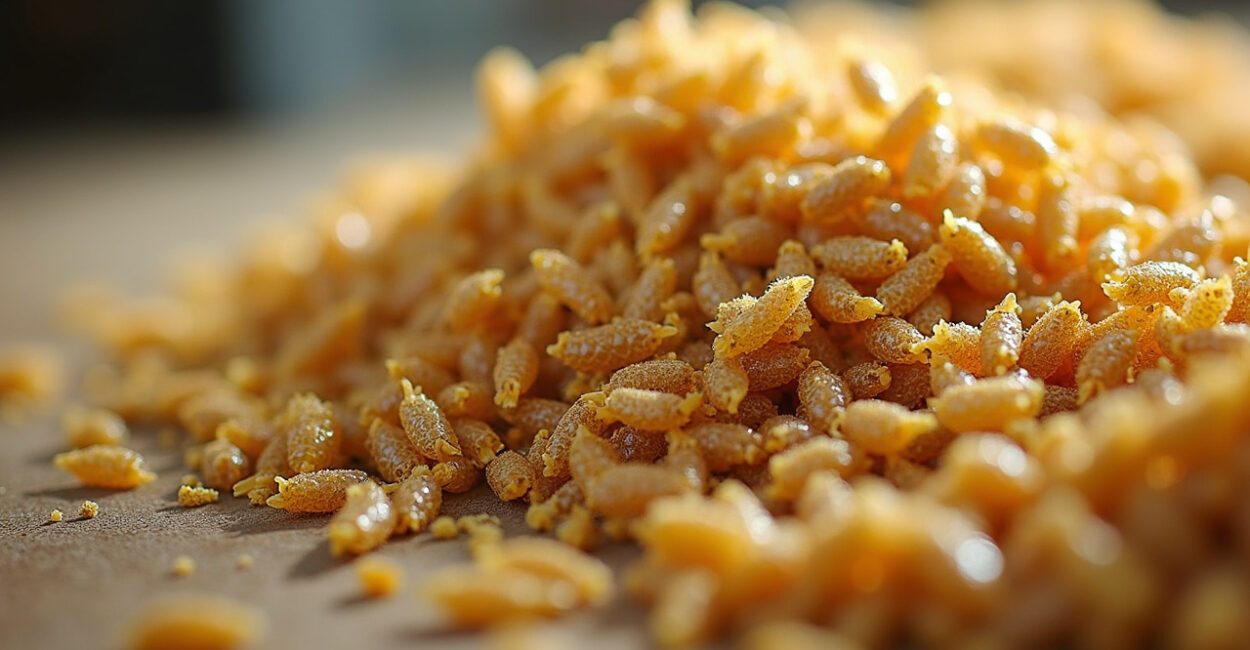
Insect Protein in Animal Feed is emerging as a high-impact alternative to traditional protein sources in livestock and aquaculture diets. It promises improved sustainability, reduced reliance on soy and fishmeal, and potential cost and environmental benefits. This topic matters for farmers, feed manufacturers, and policymakers seeking resilient supply chains.
Global demand for protein in animal feed strains land, water, and marine resources, creating opportunities for novel feed ingredients. Insect protein offers high feed conversion efficiency, rich amino acid profiles, and lower greenhouse gas emissions, but regulatory hurdles and consumer acceptance remain challenges.
This article explores practical uses, nutritional profiles, production methods, environmental impacts, economics, supply chain logistics, regulatory landscapes, and farm-level adoption of insect protein in animal feed. You’ll find data comparisons, actionable recommendations, and an FAQ to guide next steps.
Insect-based Protein Sources for Feed
Nutritional Profile of Insect Meals
Insect meals such as black soldier fly (BSF) larvae and mealworms provide concentrated protein, essential amino acids, and beneficial lipids for livestock. Their crude protein content often ranges between 40–60%, comparable to soybean meal and high-quality fishmeal. Additionally, insect meals can supply bioactive compounds and antimicrobial peptides that may support animal health.
Feed formulators can leverage insect protein to balance amino acid profiles, particularly lysine and methionine, depending on species and processing methods. The presence of chitin requires consideration: low levels can support gut health, while high chitin might reduce digestibility unless properly processed.
Choosing the appropriate insect species and processing (defatting, hydrolysis) helps tailor nutrient density and improve palatability. Quality control and standardized analysis ensure predictable performance when replacing traditional proteins in diets.
Variations Among Insect Species
Different insects offer distinct nutritional advantages: black soldier fly larvae excel in fat and lauric acid content; mealworms provide balanced amino acids and high protein; crickets have favorable digestibility and palatability. Selection depends on target species, cost, and available processing.
Environmental footprint, substrate flexibility, and growth rates vary. BSF tolerates organic waste streams and grows rapidly, making it attractive for industrial production. Mealworms require grain-based diets but are efficient converters for higher-value niches like pet food.
Understanding species-specific nutrient profiles helps nutritionists optimize formulations, combining insect meals with other ingredients to meet precise protein and energy requirements for poultry, swine, fish, or ruminants.
Processing and Quality Control
Processing steps—drying, grinding, defatting, and thermal treatment—determine shelf life, safety, and nutritional availability of insect protein. Proper drying prevents microbial growth; defatting increases protein concentration; thermal processing reduces pathogens and anti-nutritional factors.
Quality control must include proximate analysis, amino acid profiling, microbial testing, and contaminant screening (heavy metals, mycotoxins). Traceability from substrate to finished meal supports regulatory compliance and market acceptance.
Certification schemes and third-party testing can differentiate suppliers. Feed mills should request Certificates of Analysis and audit production chains to ensure consistent performance in animal diets.
Benefits of Insect Protein in Feed Supply Chains
Environmental Advantages and Footprint
Insect protein in animal feed can lower greenhouse gas emissions, reduce land use, and decrease reliance on marine resources. Insects convert organic substrates efficiently, producing more protein per unit of feed than traditional livestock and requiring less water and land.
Using food waste as insect substrate supports circular economy principles, diverting organics from landfills and minimizing nutrient losses. Reduced soy expansion also helps protect forests and biodiversity in sensitive regions.
Lifecycle assessments vary by species and production system, but insect-based feeds consistently show potential to improve feed sustainability when managed responsibly and integrated into broader supply chains.
Economic Potential and Cost Drivers
Costs for insect protein depend on scale, substrate availability, labor, and processing. Economies of scale and automated rearing systems lower unit costs, making insect meals competitive with premium fishmeal or specialty soy products. Co-products like frass (insect manure) add revenue streams.
Market premiums may apply for sustainable or local labels, while feed mills benefit from diversified protein sourcing that buffers against soy price volatility. Investment in infrastructure and optimized supply chains is critical to realize cost parity.
Public incentives, research funding, and partnerships with waste generators can accelerate commercial viability by lowering feedstock costs and improving throughput.
Logistics and Supply Chain Integration
Integrating insect protein into existing feed supply chains requires coordination across producers, processors, and feed manufacturers. Key considerations include consistent supply, storage conditions, and compatibility with mixing equipment. Cold chain is generally unnecessary for dried meals, simplifying logistics.
Regional production hubs can reduce transportation emissions and support local circularity. Contracts with waste producers ensure substrate flow, while centralized processing ensures food safety and quality standards across batches.
Traceability systems and digital platforms for inventory and quality data help feed formulators manage variability and ensure compliance with feed regulations and buyer requirements.
| Protein Source | Typical Protein (%) | Primary Advantage |
|---|---|---|
| Black Soldier Fly (BSF) Meal | 40–50 | High fat replacement, fast growth |
| Mealworm Meal | 50–60 | Balanced amino acid profile |
| Soybean Meal | 44–48 | Cost-effective, widespread |
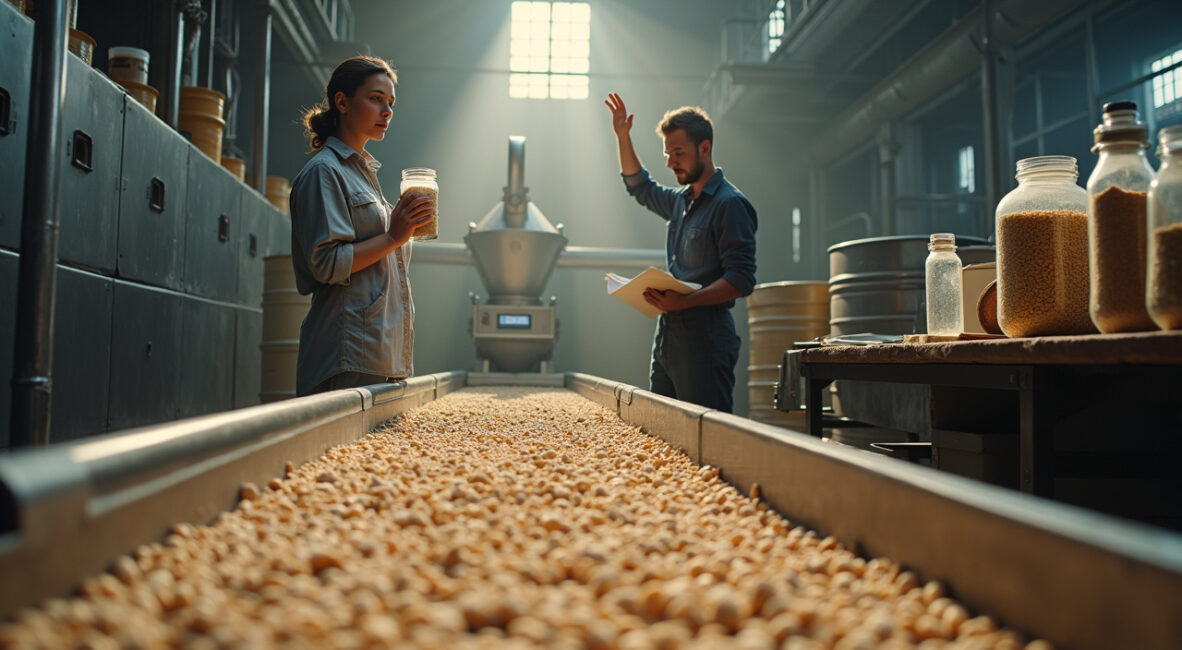

Practical Formulation Strategies Using Insect Meals
Replacing Soy and Fishmeal in Diets
Insect protein can partially or fully replace traditional proteins depending on species and life stage. For poultry and aquaculture, research shows successful substitution rates without impairing growth when inclusion levels are optimized and amino acid balance is maintained.
Gradual introduction and palatability tests help ensure feed intake remains stable. Supplementation of limiting amino acids or blending insect meals with soybean or synthetic amino acids secures nutritional adequacy.
Field trials and pilot feed runs validate performance metrics—feed conversion ratio, weight gain, and health indicators—before wide-scale implementation in commercial operations.
Feed Processing Compatibility
Insect meals are compatible with standard pelleting, extrusion, and mash feed processes. Moisture content and fat levels influence pellet quality; defatted insect meals typically improve pellet durability and reduce oil-related handling issues.
Thermal processing during pelleting also contributes to pathogen reduction and can deactivate anti-nutritional factors. Formulators should adjust conditioning times and temperatures to maintain nutrient availability.
Trials to determine optimal particle size and inclusion rates ensure consistent mixing and homogeneity across feed batches, securing predictable animal performance.
On-farm Mixing and Ration Examples
Small and medium farms can incorporate insect meals into on-farm feed by blending with local cereals, oilseed meals, and premixes. Example rations should be developed with a nutritionist to meet species-specific requirements and avoid nutrient imbalances.
On-site storage in dry, ventilated conditions prevents rancidity and spoilage. Labeling and batch tracking facilitate feed audits and traceability, especially for operations selling products to value-conscious markets.
Farm-level demonstrations and extension services help farmers adapt recipes, monitor outcomes, and scale inclusion rates responsibly based on cost-benefit assessments.
Sustainability and Environmental Impact of Insect Feed
Resource Efficiency and Circularity
Insects convert low-value organic streams into high-value protein and lipids, closing nutrient loops in agriculture. This circular approach reduces reliance on virgin feed resources and helps manage organic waste sustainably.
Frass produced by insect farms serves as a biofertilizer, returning nutrients to soils and reducing synthetic fertilizer needs. Integrating insect production with crop and livestock systems enhances overall resource efficiency.
Adoption at scale can reduce pressure on cropland expansion and marine stocks, supporting broader sustainability goals across food systems.
Greenhouse Gas and Water Use Comparisons
Insect production typically emits fewer greenhouse gases per kilogram of protein than beef and may outperform soybean and fishmeal depending on substrate and energy sources. Water use for insect farming is generally lower due to compact rearing and limited irrigation needs.
Life cycle assessments highlight that energy inputs for climate control and drying can be significant; renewable energy and efficient drying systems mitigate these impacts. Choosing local substrates minimizes transport-associated emissions.
Optimization across production stages is essential to maximize environmental benefits and ensure the insect-based approach contributes positively to climate targets.
Biodiversity and Land-use Implications
Replacing a portion of soy and fishmeal with insect protein can help limit deforestation and overfishing. Reduced demand for land-intensive crops mitigates habitat loss and protects biodiversity hotspots in producer regions.
However, large-scale insect farming must avoid sourcing substrates that compete with food or drive monocultures. Responsible sourcing policies and certification schemes safeguard against unintended land-use shifts.
Strategic planning ensures insect protein contributes to sustainable intensification rather than new resource pressures on ecosystems.

Regulatory Landscape and Food Safety Considerations
Global Regulatory Frameworks
Regulations for insect protein in animal feed vary by region. The EU, USA, and several Asian countries have been updating rules to allow specific insect species in certain feed categories, with strict substrate and processing requirements to ensure safety.
Regulatory acceptance often hinges on approved substrates, species lists, and demonstrated microbial and chemical safety. Engagement with regulators and adherence to feed additive rules accelerate market entry for suppliers.
Proactive testing, traceability, and participation in industry working groups help companies navigate evolving standards and secure market access.
Safety Risks and Mitigation
Key safety risks include microbial contamination, residual pesticides or heavy metals from substrates, and allergenicity concerns for handlers. Proper substrate selection, thermal processing, and routine testing mitigate these hazards.
Implementing Hazard Analysis and Critical Control Points (HACCP) and Good Manufacturing Practices (GMP) ensures that insect meals meet feed safety criteria. Worker safety training reduces allergen and dust exposure risks.
Clear labeling and documentation support downstream users in complying with feed regulations and reassure consumers about product safety.
Labeling and Market Acceptance
Transparent labeling that specifies insect species, processing, and origin builds trust among feed buyers and end consumers. Claims about sustainability should be substantiated by audits or certifications to avoid greenwashing.
Market acceptance increases when producers demonstrate performance parity with conventional feeds and communicate welfare, safety, and environmental benefits clearly. Outreach and education across the value chain reduce stigma and improve uptake.
Partnering with reputable institutions for research and certification accelerates mainstream adoption in commercial feed formulations.
| Regulatory Area | Typical Requirement | Impact on Producers |
|---|---|---|
| Approved Substrates | List of permitted inputs | Limits feedstock flexibility |
| Species Authorization | Specific insects allowed | Constrains product offerings |
| Safety Testing | Microbial/chemical screens | Increases compliance costs |
Economic Case Studies and Market Dynamics
Commercial Pilots and Outcomes
Pilot projects in Europe and Asia demonstrate that insect protein can replace portions of fishmeal in aquafeeds without compromising growth or health. Trials with poultry show similar promising results for egg production and feed conversion at modest inclusion rates.
Successful pilots prioritize quality control, consistent supply, and collaboration between producers and feed mills. Data from these pilots inform scale-up strategies and investment decisions across the sector.
Lessons learned emphasize the need for robust logistics, substrate sourcing strategies, and clear performance metrics to attract commercial buyers and investors.
Market Players and Investment Trends
Startups, feed companies, and investors increasingly target insect protein ventures, focusing on automation, scaling, and product diversification. Vertical integration—from substrate sourcing to feed manufacturing—adds value and reduces supply risk.
Public and private funding supports R&D, pilot plants, and commercialization. Strategic partnerships with waste generators and established feed companies accelerate market penetration and infrastructure development.
Investors weigh regulatory clarity, off-take agreements, and unit economics when backing projects, making proven downstream demand critical for funding.
Price Sensitivity and Adoption Thresholds
Adoption depends on price competitiveness with soy and fishmeal and on demonstrated return on investment for farmers. Incentives, premium markets for sustainable products, and reduced input risks encourage early adopters.
Modeling scenarios show that at moderate inclusion rates, insect protein can be economically viable for poultry and aquaculture; cost parity for swine and ruminants requires further scale and processing efficiency improvements.
Transparent cost models, pilot data, and risk-sharing contracts help buyers evaluate economic trade-offs and accelerate adoption across producer segments.
Farm-Level Implementation and Animal Performance
Poultry and Egg Production Results
Poultry trials replacing part of soybean meal with insect meals often report maintained or improved feed conversion ratios, comparable weight gain, and stable egg quality. Inclusion levels and insect species affect outcomes, so controlled trials are recommended before full adoption.
Producers should monitor feed intake, growth curves, and health parameters during transitions. Adjustments to mineral and vitamin premixes may be necessary when insect meal replaces conventional proteins.
Small-scale demonstrations on farms provide practical insights into mixing, storage, and acceptance by flocks, reducing the perceived risk of switching feed components.
Aquaculture Performance and Health
Aquafeed formulations using insect protein, particularly for carnivorous species, have shown promising growth performance and gut health indicators. Partial replacement of fishmeal is feasible with balanced amino acids and lipid profiles.
Insect-derived lauric acid and antimicrobial components can support fish immunity, potentially lowering disease incidence. Water quality effects should be monitored when adjusting feed compositions and feeding rates.
Successful aquaculture adoption relies on consistent pellet stability, digestibility, and economic modeling aligned with stocking densities and market prices for fish products.
Swine and Ruminant Considerations
Swine diets can incorporate insect protein for piglets and grower-finisher rations with performance similar to conventional feeds when inclusion rates and amino acid balance are optimized. Palatability trials are essential for early-life stages.
Ruminants present unique challenges due to rumen fermentation; insect meals may be more effective as protein supplements rather than primary protein sources. Protecting amino acids from rumen degradation can improve utilization.
Nutritionists should evaluate long-term health, milk/meat quality, and economic outcomes in trial settings before scaling across herds or flocks.
Challenges, Risks, and Future Research Needs
Scalability and Technical Bottlenecks
Scaling insect production faces hurdles: automation complexity, energy-intensive drying, and maintaining consistent substrate supply. Addressing these bottlenecks requires capital investment, process optimization, and technological innovation.
Research into low-energy drying, integrated waste sourcing, and modular rearing systems helps lower production costs. Collaboration with engineering firms accelerates development of scalable solutions tailored to regional contexts.
Public-private partnerships and pilot commercialization projects are crucial to demonstrate feasibility at commercial volumes and to attract broader investment for scale-up.
Research Gaps and Priority Studies
Key research needs include long-term feeding trials across species, digestibility studies, effects of chitin on gut microbiota, and lifecycle assessments under varying production systems. Economic modeling for different scales and regions is also needed.
Comparative studies on substrate impacts, processing methods, and nutrient variability will inform best practices and regulatory guidance. Multi-site trials increase the robustness of nutritional recommendations.
Funding cross-disciplinary research that couples nutrition, engineering, and environmental science helps close knowledge gaps and supports evidence-based policy decisions.
Consumer Perception and Communication Strategies
Consumer acceptance of animal products raised on insect-fed diets hinges on transparency, education, and demonstrated safety. Clear messaging about environmental benefits and regulatory compliance reduces resistance and builds trust.
Labels highlighting sustainability metrics, combined with third-party certifications and partnerships with trusted institutions, bolster market acceptance. Storytelling around circularity and local production resonates with eco-conscious buyers.
Engaging chefs, retailers, and advocacy groups in pilot programs creates visible endorsements that accelerate mainstream adoption and normalize insect-derived feed inputs.
Conclusion
Insect Protein in Animal Feed represents a promising, sustainable alternative to conventional proteins, offering strong nutritional profiles, reduced environmental impacts, and supply-chain resilience. Real-world trials and improving economics show viable pathways for adoption across poultry, aquaculture, and swine sectors.
To capitalize on this opportunity, stakeholders should focus on quality control, regulatory compliance, scalable production, and transparent communication. Explore pilot partnerships, consult nutritionists, and consider local substrate sourcing to begin integrating insect protein into feed strategies.
FAQ
What is Insect Protein and How is It Used in Animal Feed?
Insect protein refers to processed meals from farmed insects like black soldier fly or mealworms used to replace or complement soybean and fishmeal in animal diets. It supplies essential amino acids and fats, can improve feed conversion ratios, and supports circular waste reduction when produced from suitable substrates, but requires consistent quality control and adherence to regional feed regulations for safe inclusion.
Are There Safety Risks for Animals or Humans When Using Insect-based Feeds?
Safety risks include microbial contamination, chemical residues from substrates, and potential allergens. Proper substrate selection, thermal processing, and routine testing mitigate these hazards. Following HACCP, GMP, and regulatory guidelines ensures insect meals are safe for animals and do not pose risks through animal-derived products consumed by humans.
How Much Insect Protein Can Replace Traditional Protein Sources?
Replacement rates vary by species and life stage; research often shows partial replacement (10–30%) is effective without adverse effects, while higher inclusion can work for some species if diets are balanced for amino acids. Pilot trials and nutritionist input determine optimal inclusion levels for commercial operations based on performance metrics and cost.
Is Insect Protein Environmentally Better Than Soy or Fishmeal?
In many cases, insect protein offers lower land and water use and reduced greenhouse gas emissions, especially when produced on organic waste streams. However, benefits depend on production energy sources and processing efficiency. Lifecycle assessments should guide decisions to ensure net environmental gains at scale.
Where Can I Find Reputable Insect Protein Suppliers and Research?
Seek suppliers with transparent supply chains, Certificates of Analysis, and third-party audits. Research institutions and international organizations publish studies and guidelines—consult sources like the FAO and peer-reviewed journals for evidence-based assessments and regional regulatory updates to verify supplier claims and product suitability.
Further reading and authoritative references: FAO, ScienceDirect studies, and industry reports offer technical detail and region-specific guidance for adopting insect protein in animal feed.