Skip to content
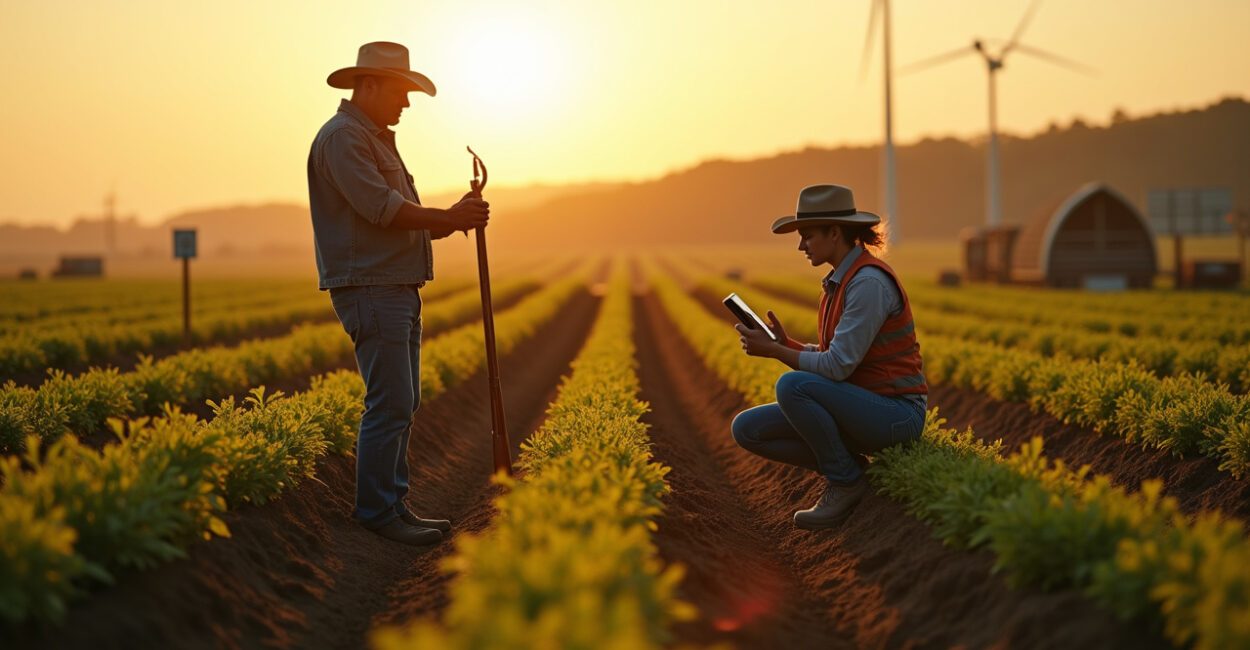
Climate adaptation strategies play a crucial role for local agribusinesses striving to maintain competitiveness and profitability amid ongoing environmental changes. As climate patterns shift, unpredictable weather, water scarcity, and soil degradation increasingly impact livestock and crop productivity. Understanding how to adapt effectively isn’t just about survival; it’s about positioning local farms and ranches to thrive despite these challenges by implementing forward-thinking, practical measures.
This article explores a range of climate adaptation strategies tailored to the realities faced by agribusinesses on the ground. From diversifying crop varieties to leveraging technology and adjusting management practices, these approaches help mitigate risks and seize new opportunities. The goal is to provide actionable insights grounded in real-world experience and authoritative research, enabling local producers to make informed decisions with confidence.
The Essentials of Climate Adaptation for Agribusiness
- Effective climate adaptation strategies require integrating scientific knowledge with local environmental and economic conditions for practical implementation.
- Diversification of crops and livestock breeds improves resilience against climate variability, reducing vulnerability to extreme events.
- Water management innovations, including rainwater harvesting and precision irrigation, are vital for coping with increasing drought frequency.
- Adoption of agroforestry and soil conservation practices enhances ecosystem services, stabilizing productivity over time.
- Technological tools such as climate forecasting and remote sensing empower farmers to anticipate risks and optimize resource use.
How Climate Adaptation Strategies Support Local Agribusiness Resilience
Climate adaptation strategies encompass a variety of methods aimed at reducing the negative impacts of climate change on agricultural systems. Formally, adaptation refers to the adjustments in ecological, social, or economic systems in response to actual or expected climatic stimuli and their effects. For agribusinesses, this means modifying practices, inputs, and management to maintain or enhance productivity despite shifting weather patterns.
In simpler terms, adaptation is about anticipating and responding to changes such as altered rainfall, temperature extremes, and new pest pressures. Local agribusinesses that adopt these strategies can safeguard their operations against disruptions and financial losses. For example, switching to drought-tolerant crop varieties or adjusting grazing patterns for livestock can directly address emerging risks.
“The difference between successful agribusinesses and those struggling under climate stress often lies in their proactive adoption of tailored adaptation strategies rather than reactive measures.”
Diversifying Production Systems to Mitigate Risks
One of the most effective climate adaptation strategies involves diversification. This means incorporating multiple crop species, livestock breeds, or production methods to spread risk. Diverse systems are less likely to fail entirely when faced with extreme weather events or pest outbreaks.
- Crop diversification: Including drought-resistant or heat-tolerant crops can maintain yields during dry spells.
- Livestock breed selection: Choosing breeds with greater tolerance to heat or disease reduces mortality and improves productivity.
- Integrated farming: Combining crop and livestock systems improves nutrient cycling and soil health.
From practical experience, farms that diversified early showed more stable incomes during the recent drought cycles reported by the U.S. Department of Agriculture (USDA, 2023). However, diversification requires upfront investment and knowledge, which may limit adoption for some producers.

Implementing Water Management Techniques to Combat Scarcity
Water scarcity is a growing constraint for agribusinesses. Effective water management is essential to adapt to reduced and erratic rainfall. Techniques range from traditional to high-tech:
- Rainwater harvesting: Capturing and storing runoff water reduces dependency on unreliable sources.
- Drip and precision irrigation: Targeted water delivery reduces waste and optimizes crop water use efficiency.
- Soil moisture monitoring: Sensors help schedule irrigation based on actual soil conditions.
Government programs like the USDA’s Conservation Innovation Grants support implementing these technologies. Nonetheless, these methods may not be feasible for all due to cost or infrastructure limitations, particularly in small-scale operations.
Enhancing Soil Health Through Conservation and Agroforestry
Soil degradation compromises the long-term viability of agribusinesses. Conservation practices that improve soil structure, organic matter, and biodiversity contribute to adaptation by boosting resilience against drought and erosion.
- Cover cropping: Planting cover crops protects soil from erosion and improves nutrient cycling.
- Reduced tillage: Minimizing soil disturbance maintains structure and moisture retention.
- Agroforestry: Integrating trees into farms provides shade, windbreaks, and habitat for beneficial species.
Studies from the Food and Agriculture Organization (FAO, 2022) indicate that agroforestry systems can increase farm income by up to 20% while enhancing carbon sequestration. Nonetheless, transitioning to these systems requires planning and may reduce short-term production during establishment phases.
Leveraging Technology and Climate Information Services
Access to accurate climate data and decision-support tools empowers local agribusinesses to plan and react effectively. Climate information services (CIS) provide forecasts and risk assessments tailored to farming needs.
- Seasonal forecasts: Help determine planting dates and crop choices.
- Remote sensing: Monitors crop health and soil moisture over large areas.
- Mobile apps: Deliver weather alerts and best-practice recommendations directly to farmers.
Experience shows that farmers using CIS reduce losses by improving timing and resource allocation. However, uptake depends on digital literacy and infrastructure, which vary widely in rural areas.
Adjusting Livestock Management to Changing Climate Conditions
Livestock production faces unique challenges such as heat stress, altered forage availability, and disease patterns. Adaptation strategies include:
- Modifying grazing schedules: To match forage growth cycles and reduce overgrazing.
- Improving shelter: Providing shade and ventilation to reduce heat stress.
- Breed selection: Using animals better suited to local climate extremes.
In practice, ranchers who adjust herd sizes and implement rotational grazing maintain healthier pastures and animal welfare. According to the National Sustainable Agriculture Coalition (2024), such strategies also enhance carbon sequestration in soils.
Building Institutional and Community Support Networks
Effective climate adaptation often depends on collaboration. Local agribusinesses benefit from institutional support such as extension services, financial programs, and community knowledge sharing.
- Extension programs: Provide training and technical assistance on adaptation practices.
- Access to credit and insurance: Helps manage financial risks linked to climate variability.
- Cooperatives and farmer groups: Facilitate resource sharing and collective action.
Communities that organize around adaptation increase their bargaining power and resilience. However, disparities in access to these networks can leave some producers behind.
“Adaptation is not a one-size-fits-all solution; it thrives where local knowledge, institutional capacity, and innovation converge.”
What to Do Next: Integrating Climate Adaptation for Sustainable Growth
Local agribusinesses should start by assessing their specific climate risks, resources, and capacities. Combining diversification, water management, soil conservation, technology adoption, and supportive networks creates a robust defense against climate impacts. Testing small-scale interventions before scaling up minimizes risk.
Continuous learning and flexibility are essential, as climate projections and conditions evolve. Producers are encouraged to seek out extension services, peer groups, and reliable data sources to stay informed and agile. Implementing climate adaptation strategies is a proactive investment that safeguards livelihoods and builds sustainability for future generations.
FAQ
What Are the First Steps Local Agribusinesses Should Take to Adapt to Climate Change?
Initially, agribusinesses should conduct a thorough risk assessment focusing on local climate impacts such as drought frequency, temperature shifts, and pest pressures. Understanding these helps prioritize adaptation measures like selecting resilient crop varieties or improving water management. Engaging with extension services or local agricultural organizations can provide tailored advice and resources for implementation.
How Does Crop Diversification Improve Climate Resilience?
Crop diversification reduces the risk of total crop failure by spreading exposure across species with different climate tolerances. For example, including drought-tolerant or fast-maturing crops ensures some yield even under adverse conditions. This strategy stabilizes income and improves soil health by varying nutrient demands and pest cycles.
Are There Financial Supports Available for Climate Adaptation in Agriculture?
Yes, many governments and international organizations offer financial support such as grants, loans, and insurance programs designed to support climate adaptation. For instance, the USDA provides Conservation Innovation Grants, while the World Bank funds climate-smart agriculture projects. Access depends on eligibility criteria and application processes specific to each program.
Can Technology Really Make a Difference for Small-scale Farmers?
Technology, including mobile apps for weather forecasts and soil moisture sensors, can significantly enhance decision-making even for small-scale farmers. These tools enable timely actions like adjusting irrigation or planting dates. However, adoption depends on digital literacy, affordability, and infrastructure availability, which remain challenges in some rural areas.
What Are Common Challenges When Implementing Climate Adaptation Strategies?
Challenges include financial constraints, limited access to information or technology, and resistance to changing traditional practices. Additionally, some adaptation methods may require upfront investment and time before benefits are realized. Tailoring strategies to local contexts and ensuring community support are key to overcoming these obstacles.