Skip to content
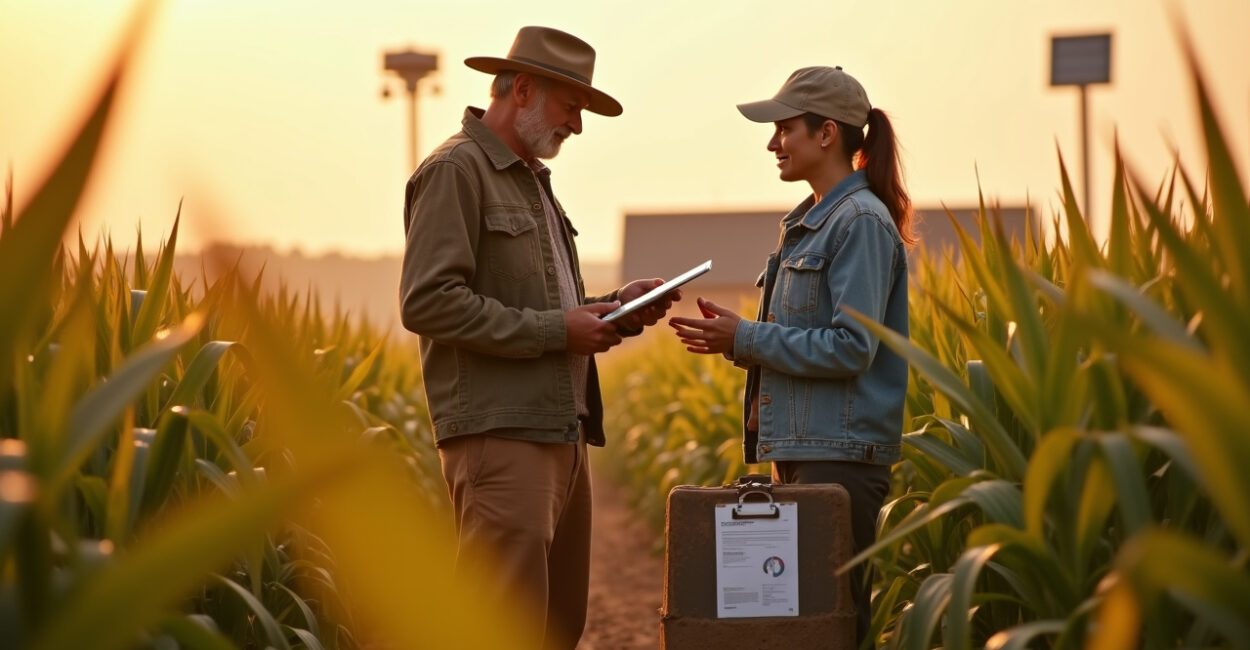
Investing in resilient agribusiness technologies requires more than just good will—it demands access to the right financial resources tailored to climate challenges. Climate finance options refer to the diverse range of funding mechanisms and financial products designed to support projects that address climate change mitigation and adaptation, particularly in agriculture and livestock sectors. As local agribusinesses face increasing climate risks, understanding these options is critical to securing investments that preserve productivity and profitability over the long term.
This article delves into the most effective climate finance options available to agribusinesses aiming to enhance resilience. It covers public and private sources, innovative instruments, and strategic approaches that combine financial viability with environmental sustainability. The goal is to empower decision makers with clear, actionable insights rooted in practical experience and authoritative data.
The Core Insights You Need to Know
- Climate finance options encompass grants, concessional loans, green bonds, and insurance products tailored to agribusiness resilience against climate risks.
- Accessing these funds often requires aligning projects with international frameworks like the Green Climate Fund or national climate policies.
- Private sector financing is growing but demands robust risk assessments and impact measurement to attract investment.
- Blended finance models that combine public and private funds can reduce barriers and improve scalability for local agribusiness projects.
- Not every financing option suits all agribusinesses—factors like farm size, technology readiness, and market access influence the best fit.
Understanding Climate Finance Options for Agribusiness Resilience
Climate finance options represent financial channels and instruments aimed at mobilizing capital to reduce greenhouse gas emissions and help communities adapt to climate impacts. For agribusinesses, this means funding projects that introduce drought-resistant crops, efficient water management, or livestock health monitoring technologies. These options can come from public sources, private investors, or hybrid models.
Technically, climate finance is defined by the UN Framework Convention on Climate Change (UNFCCC) as financial flows intended to support mitigation and adaptation initiatives. In simpler terms, it’s money specifically aimed at helping businesses and communities manage climate risks and reduce their environmental footprint. For local agribusinesses, climate finance often means access to targeted grants, concessional loans with below-market interest rates, or insurance products that protect against climate shocks.
In practice, navigating these options requires understanding eligibility criteria and project alignment with climate goals. For example, a livestock farmer investing in methane-reducing feed supplements might qualify for a green bond-backed loan, whereas a smallholder shifting to agroforestry might tap into a government grant program.
“The difference between conventional financing and climate finance is not just the source of funds, but the strategic alignment of investments with long-term climate resilience goals.”
Public Climate Finance Programs Supporting Local Agribusinesses
Public climate finance is primarily sourced from governments and multilateral organizations. Entities like the Green Climate Fund (GCF), World Bank Climate Investment Funds, and national climate funds are pivotal players. These programs often provide grants or concessional loans aimed at scaling climate-smart agricultural practices.
Local agribusinesses can benefit from these programs by designing projects that meet fund criteria, such as reducing emissions, enhancing water use efficiency, or promoting biodiversity. For instance, the GCF prioritizes projects with clear mitigation and adaptation co-benefits and measurable outcomes. National programs may complement these efforts by offering subsidies or technical assistance aligned with national climate strategies.
One practical example is the African Development Bank’s support for climate-resilient irrigation systems, which combines concessional finance with technical training for farmers. However, accessing these funds requires navigating bureaucratic processes and demonstrating clear environmental impact, which can be a barrier for small-scale operators.

Private Sector Finance and Investment Vehicles in Climate-smart Agriculture
The private sector is a growing source of climate finance, driven by increasing investor interest in sustainability and risk management. Private equity funds, impact investors, and commercial banks are developing products tailored to climate-smart agriculture, including green bonds and sustainability-linked loans.
These financing options usually require strong business cases demonstrating profitability alongside environmental benefits. For example, a feedlot operation adopting precision feeding technologies to reduce methane emissions might attract a sustainability-linked loan with interest rates tied to emission reductions.
However, private finance demands robust risk assessments and often higher reporting standards. Agribusinesses must be prepared to provide transparent data on climate impacts and financial performance. Collaboration with technical experts can improve chances of securing investment.
Blended Finance Models: Combining Public and Private Resources
Blended finance leverages public or philanthropic funds to de-risk investments and attract private capital into climate-smart agriculture. By using public funds as guarantees or first-loss capital, these models reduce risk perceptions for private investors and enable larger-scale projects.
This approach is particularly effective for local agribusinesses that struggle to meet traditional private sector lending criteria. For example, a blended finance fund might support a cooperative implementing solar-powered irrigation, combining grant funding for initial setup with commercial loans for expansion.
Blended finance enhances scalability and helps bridge the financing gap for technologies that are proven but not yet widely adopted. However, structuring these deals can be complex and requires strong partnerships among stakeholders.
“Blended finance transforms climate resilience projects from niche experiments into scalable business models by aligning risk and return expectations across sectors.”
Innovative Climate Finance Instruments for Agribusiness
Beyond traditional grants and loans, innovative instruments are emerging to meet the unique needs of agribusinesses facing climate risks. These include catastrophe bonds, parametric insurance, and pay-for-performance contracts.
Parametric insurance, for example, pays out based on predefined triggers like rainfall levels or temperature thresholds, providing quick relief after climate shocks. This product protects farmers from income losses due to droughts or floods without lengthy claims processing.
Pay-for-performance contracts reward agribusinesses for achieving specific climate outcomes, such as carbon sequestration or reduced fertilizer use. These contracts align financial incentives with sustainability goals, encouraging ongoing investment in resilience.
While promising, these instruments require sophisticated data collection and monitoring systems, which may limit accessibility for smaller operators without technical support.
Challenges and Limitations in Accessing Climate Finance for Agribusiness Resilience
Despite growing availability, accessing climate finance remains challenging for many local agribusinesses. Barriers include complex application processes, lack of technical capacity to prepare proposals, and stringent reporting requirements.
In some cases, financing terms may not align with cash flow realities of farming cycles, creating repayment difficulties. Additionally, small-scale farmers often face exclusion due to perceived high risks and limited collateral.
Recognizing these limits, some programs offer capacity-building alongside funding. However, not all options suit every agribusiness—successful climate finance engagement depends on matching the right instrument to the specific context, technology readiness, and risk profile.
Strategies to Improve Access and Maximize the Impact of Climate Finance Options
To unlock the full potential of climate finance, agribusinesses should adopt strategic approaches that enhance both eligibility and effectiveness. Key strategies include partnering with technical experts to develop robust project proposals, leveraging digital tools for data collection, and engaging with local networks to share knowledge.
Building relationships with financial institutions and understanding their risk assessment criteria also improves chances of approval. Diversifying funding sources through blended finance and innovative instruments can provide flexibility and reduce dependency on a single funder.
Ultimately, integrating climate finance options into broader business planning ensures that investments in resilience translate into sustained profitability and environmental benefits.
What to Do Now: Applying Climate Finance Options in Your Agribusiness
Start by assessing your agribusiness’s climate risks and identifying resilience measures that align with available finance options. Research public programs and private investors active in your region, and prioritize those with criteria matching your project profile.
Develop clear, data-supported proposals that demonstrate both financial viability and climate impact. Seek partnerships with technical advisors and local organizations to strengthen your application and implementation capacity.
Consider blended finance as a way to reduce risks and attract diverse funding. Keep in mind that success depends on ongoing monitoring and adaptation, so establishing systems to track progress is essential.
Taking these steps positions your agribusiness to tap into climate finance effectively, protecting your operations and contributing to sustainable agricultural development.
Frequently Asked Questions About Climate Finance Options
What Types of Climate Finance Options Are Most Suitable for Small Agribusinesses?
Small agribusinesses often benefit most from grants, concessional loans, and blended finance models that reduce risk and offer favorable terms. Programs targeting smallholders may provide technical assistance alongside funding, helping overcome capacity barriers. Innovative instruments like parametric insurance can also protect against climate shocks without complex claims processes. However, eligibility varies, so understanding specific program criteria and aligning projects with local climate priorities is crucial for access.
How Can Agribusinesses Measure the Impact of Climate Finance Investments?
Measuring impact involves tracking both financial performance and environmental outcomes such as emission reductions, water savings, or soil health improvements. Using standardized frameworks like the Climate Bonds Initiative or aligning with UN Sustainable Development Goals helps ensure consistency. Digital monitoring tools and remote sensing technologies can provide real-time data. Transparent reporting builds investor confidence and supports ongoing financing, but requires upfront investment in capacity and systems.
Are There Risks Associated with Climate Finance for Agribusinesses?
Yes, risks include project underperformance, changing climate conditions, and financing terms that may not align with cash flows. Some instruments carry repayment obligations that can strain resources if returns are delayed. Additionally, reliance on external funds may create dependency or divert focus from core business operations. Understanding these risks and structuring projects with contingency plans and realistic timelines is essential to minimizing potential downsides.
What Role Do Governments Play in Facilitating Access to Climate Finance?
Governments often act as intermediaries by establishing national climate funds, providing subsidies, and aligning regulatory frameworks to attract private investment. They may also offer capacity-building and technical assistance to agribusinesses. By setting clear climate policies and enabling environments, governments help reduce barriers and create predictable markets for climate finance. Their involvement is critical for scaling solutions and ensuring equitable access across different farming communities.
Can Climate Finance Options Help Improve Long-term Profitability for Agribusinesses?
Yes, climate finance enables investments in technologies and practices that enhance resilience, reduce input costs, and open new market opportunities. By mitigating risks like droughts or pests, it helps stabilize yields and income. However, realizing long-term profitability depends on selecting appropriate finance instruments, effective implementation, and continuous adaptation. Combining climate finance with strategic business planning ensures that environmental benefits translate into sustainable economic gains.