
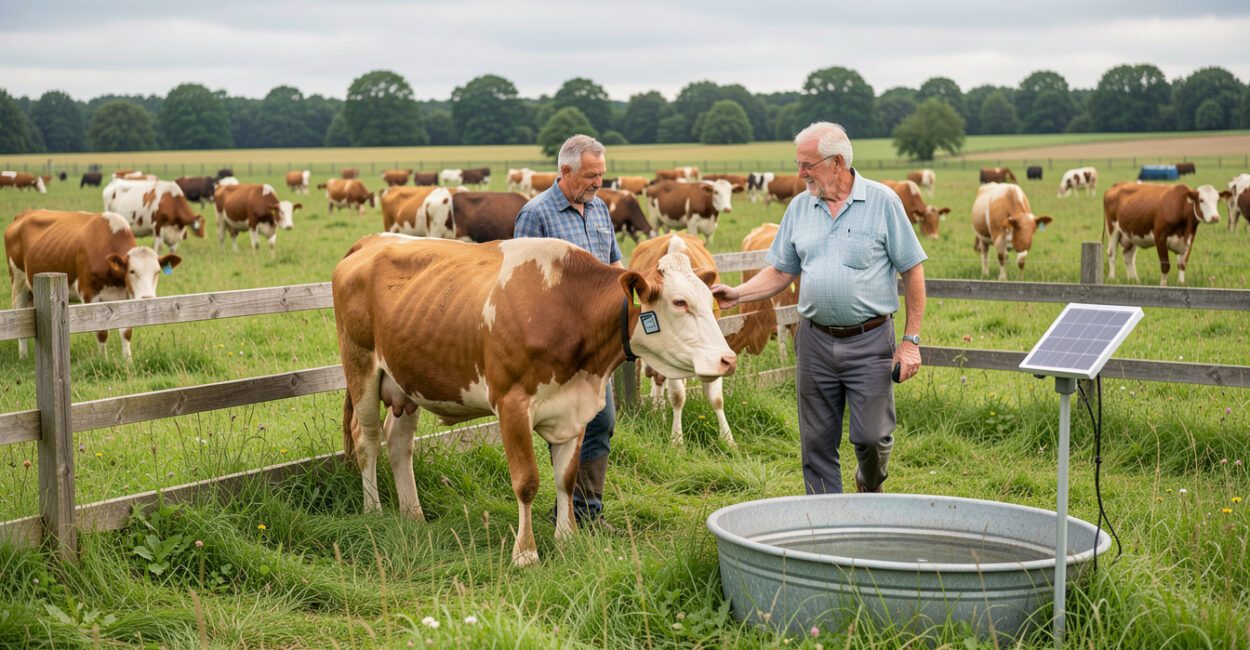
A pasture can look abundant and still fail to feed a herd through a dry season. Livestock farming is the raising and management of domesticated animals for food, fiber, labor, or other products. The right approach depends on species, climate, available land and feed, and the farm’s goals. Those choices shape daily care, costs, animal welfare, and environmental impact.
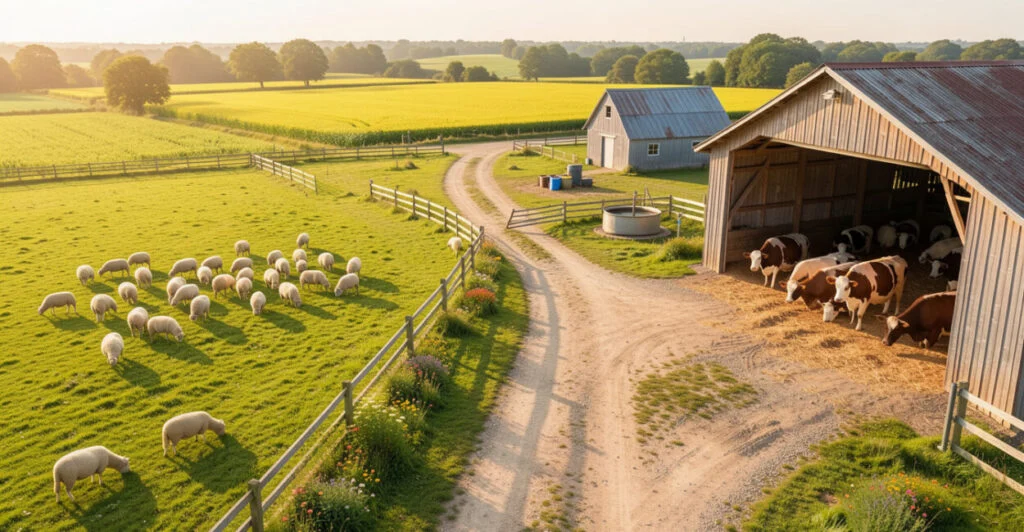
Some operations rely on grazing; others bring feed to animals in housing, or combine livestock with crops. Each system can work well under the right conditions, but each also carries trade-offs that farmers need to plan for.
Key Takeaways
- Livestock systems range from pasture-based operations to high-input housing and mixed crop-and-animal farms.
- Feed supply, water access, animal health, and labor often determine whether a production plan is workable.
- Good records help farmers spot problems, track costs, and adjust breeding or feeding decisions.
- Environmental improvements depend on local pressures, such as soil erosion, water scarcity, or manure handling.
What is Livestock Farming?
Livestock farming is the planned raising and care of domesticated animals to produce food, fiber, or other agricultural goods, often alongside services such as manure for crops. In everyday terms, it is the work of matching animals’ needs to the farm’s land, feed, facilities, labor, and market. The system may be small or large, pasture-based or housed, and focused on one species or several.
Livestock production includes more than the animals themselves. It involves decisions about breeding, nutrition, housing, health, handling, and the movement of products to market. Those decisions are connected: a breeding plan that increases the number of young animals, for example, also increases demands on feed, housing, and labor.
Animal husbandry refers to the knowledge and practices used to care for and breed animals. Livestock farming is the broader agricultural activity or enterprise; animal husbandry is one part of managing it. A farm may also need crop production, accounting, equipment maintenance, and marketing skills.
Which Animals Are Raised in Livestock Farming?
The animals raised depend on local climate, culture, land, and demand. Cattle, sheep, goats, pigs, and poultry are common, while water buffalo, camels, yaks, rabbits, and other species matter in particular regions and production systems.
Cattle may be kept for beef, milk, or both, with their feed and housing needs varying by production goal. Sheep and goats often suit grazing or browsing environments, although neither species thrives without suitable forage, shelter, and parasite management. Pigs and poultry can produce meat or eggs in a range of housing systems, but they need reliable feed and careful attention to ventilation, sanitation, and disease prevention.
Choosing a species because it appears easy to keep can be a costly mistake. Before buying animals, check which feed sources are dependable year-round, what veterinary services are available, and whether buyers will accept the product and production scale.
How Do Livestock Farming Systems Compare?
Intensive, extensive, and mixed systems describe broad patterns of land use and resource management. Real farms often fall between these categories, and a system’s performance depends on how it fits local conditions.
System
Typical land use
Common inputs
Main trade-offs
Extensive
Animals graze or browse across larger areas, often with lower stocking density.
Pasture, range, water points, fencing, and seasonal feed supplements.
Can use land unsuitable for cropping, but output depends on forage and weather; poorly managed grazing can damage vegetation and soil.
Intensive
Animals use less land directly and may be kept in managed housing or confined areas.
Purchased or farm-grown feed, buildings, equipment, labor, and veterinary care.
Can support high output per unit of land, but requires dependable inputs and careful management of manure, air quality, and animal comfort.
Mixed
Crops and livestock share a farm or are linked through feed and manure flows.
Land, labor, crop residues or forage, manure handling, and sometimes purchased feed.
Can recycle nutrients and diversify income, but coordinating crop and animal schedules adds work and planning.
Extensive livestock farming is not automatically more sustainable, and intensive livestock farming is not automatically more productive in every sense. A pasture system may be a good fit where land is abundant but crops are difficult to grow. A housed system may suit a farm with reliable feed, skilled labor, and suitable manure management, but those requirements can make it a poor fit elsewhere.
A livestock system performs well when its feed, land, labor, and animal-care demands fit the conditions the farm can reliably provide.
How is a Livestock Farm Managed Day to Day?
Livestock management is a set of linked routines, not a single feeding or breeding decision. A practical checklist helps reveal gaps before they turn into production or welfare problems:
- Housing and facilities: Check shelter, bedding, fencing, ventilation, drainage, and safe access to handling areas. Look for worn gates or slippery floors before animals or workers are injured.
- Feed and water: Plan for normal demand as well as seasonal shortages. Feed changes should be managed carefully, and water points need regular checks for cleanliness, flow, and access.
- Breeding and young-stock care: Keep breeding dates, births, and losses on record. Plan for the extra feed, space, and attention required around birth and weaning.
- Records and costs: Track animal identification, feed purchases, treatments, production, and sales. Records help distinguish a one-off problem from a recurring issue and support better budgeting.
- Daily observation: Notice changes in appetite, movement, breathing, or social behavior. A quick check can catch a problem earlier than a production report.
A common management error is to expand the herd before confirming that water, winter feed, and labor will scale with it. More animals may mean more sales, but they also increase pressure on pastures, facilities, and the time available for observation. A basic seasonal feed plan and a realistic labor schedule are more useful than a head-count target on its own.
Farmers looking to improve output without simply adding inputs can compare their routines with these farm productivity practices. The most useful improvements are often the ones that reduce losses or waste, such as fixing a recurring water-access problem or matching feed purchases more closely to need.
How Can Farms Protect Animal Health and Welfare?
Preventive care, sound biosecurity, regular observation, and access to veterinary support form the core of a practical animal-health plan. Welfare also depends on daily conditions: animals need appropriate feed and water, suitable shelter, space to move and rest, and handling that avoids unnecessary fear or injury.
Biosecurity means reducing the chance that disease enters or spreads through a herd or flock. Measures may include controlling visitor access, cleaning equipment, separating sick animals, and managing the introduction of new stock. The right measures vary by species and disease risk, so farmers should develop a plan with a veterinarian and follow applicable local rules.
The World Organisation for Animal Health’s Terrestrial Animal Health Code provides international standards on animal health and welfare. It is a useful reference, but farm procedures still need to account for local veterinary guidance, regulations, species, and production conditions.
Good welfare does not come from one housing label alone. For instance, a pasture system still needs shade, water, and protection from severe weather; a housed system needs appropriate ventilation, bedding, space, and opportunities for normal behavior. The details matter more than the category name.
How Can Livestock Farming Reduce Environmental Impacts?
Environmental pressures vary by location and production method. Key areas to assess include land conversion and soil condition, water use and quality, greenhouse gas emissions, and the storage or application of manure. The IPCC’s Climate Change and Land report discusses interactions between land use, agriculture, and climate, including livestock-related issues.
Actions should match the problem a farm is trying to solve. Rotating grazing and adjusting stocking rates can help protect pasture when managed for local soils and vegetation. A farm facing water stress may need to repair leaks, protect water sources from runoff, or review how livestock access streams. Where manure is the main concern, covered storage, careful application, and nutrient planning can reduce losses to air and water.
Feed choices also matter. Improving forage quality or reducing avoidable feed waste may support more efficient production, while the effects of a particular feed intervention depend on animal type and management. Farmers should be cautious about applying a practice based on a single headline claim: what helps one region or system may bring little benefit, or create new costs, in another.
Environmental progress starts with identifying the farm’s largest local pressure, then tracking whether the chosen practice actually reduces it.
What Should Farmers Weigh Before Choosing a System?
Small farms can use any of the main livestock systems; the best fit is the one that matches their resources, skills, and market. A farmer with dependable pasture and limited access to purchased feed may favor a smaller grazing operation. Someone with reliable feed, suitable facilities, and steady buyers may consider more intensive production. Mixed farming can suit operations that can coordinate crops, livestock, and manure use.
What Are the Main Challenges of Starting a Livestock Farm?
The main challenges are securing suitable land or housing, arranging dependable feed and water, managing animal health and labor, meeting local requirements, and finding a market that can support the operation’s costs. The balance differs by species and location. Before acquiring animals, map out the full production cycle, including young-stock care, seasonal feed gaps, veterinary access, and what happens if prices or weather turn against the plan.
Livestock can support food production and rural livelihoods, but income depends on costs, yields, prices, losses, and the timing of sales. A cattle operation, for example, may need to plan for long intervals between breeding, raising, and sale. This cow-calf profitability analysis offers a closer look at the cost structure of one specific type of operation; its assumptions should not be transferred to other species or regions without adjustment.
Land access can shape the decision as much as production goals. Farmers comparing purchase or investment options can review this overview of U.S. farmland considerations, while remembering that ownership, leasing, and land suitability involve different local constraints.
There is no universal ranking of systems by sustainability, welfare, or profitability. Outcomes depend on such factors as local forage, climate, stocking rate, feed sourcing, animal care, and manure management, and experts may weigh those factors differently. Start by listing the resources that are reliable through a bad season, then rule out systems that depend on resources the farm cannot consistently provide.
📱 See this content as a Web Story
Frequently Asked Questions
What Records Should a New Livestock Farmer Keep?
At minimum, keep animal identification, breeding and birth dates, health treatments, feed purchases, production, mortality, and sales records. Requirements vary by location and species, so check local rules and ask a veterinarian what information will be useful for health management.
Can Livestock and Crops Benefit Each Other?
They can. Crops may provide forage or residues, while manure can return nutrients to fields when stored and applied appropriately. The benefits depend on timing, nutrient needs, and safe manure management.
How Can a Farmer Plan for Seasonal Feed Shortages?
Estimate feed availability across the year rather than judging it from current pasture conditions. A seasonal plan can identify when to conserve forage, buy feed, adjust stocking, or arrange alternative grazing before supplies become tight.
Does a Pasture-Based System Eliminate the Need for Housing?
No. Animals still need protection from severe weather and access to safe handling areas, and some may need shelter during specific stages of production. The design depends on species, climate, terrain, and local welfare requirements.
Next Steps
Before choosing animals, write down the land, water, feed, labor, veterinary support, and market access available through the toughest season of the year. Then compare those resources with the needs of one species and production goal, and check local regulations and veterinary guidance before making a purchase.