Skip to content
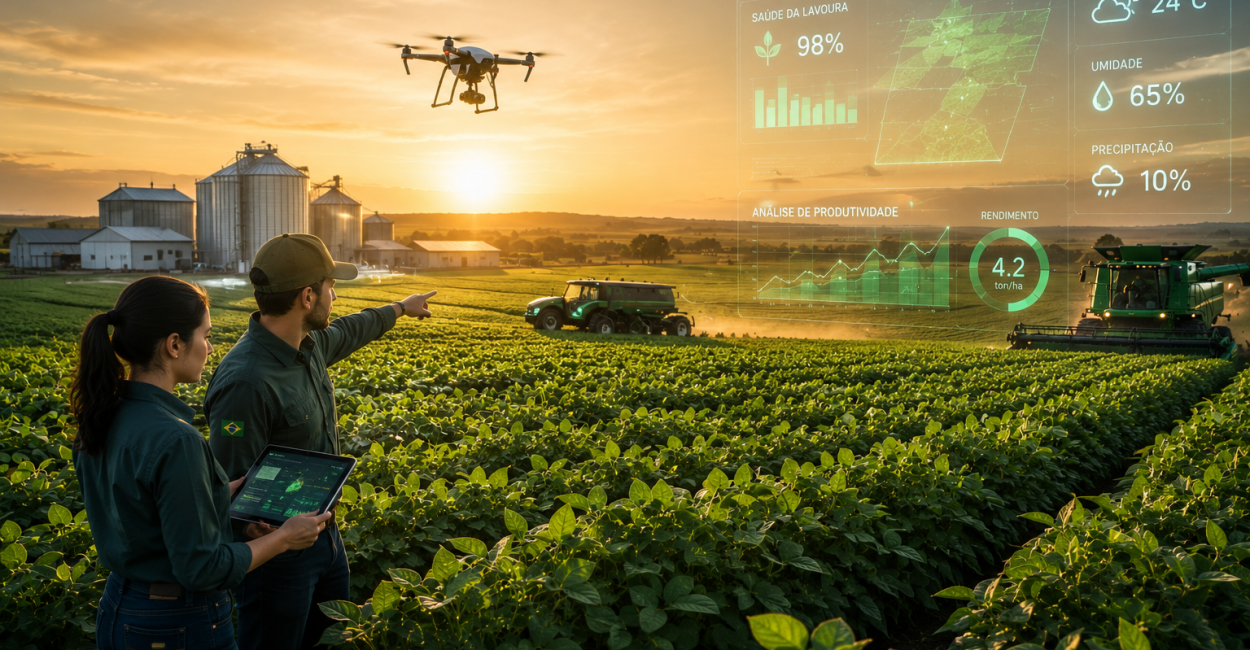
Brazil’s agricultural sector has long been a global leader in food production, but what’s truly reshaping its future is the surge of Brazilian startups harnessing advanced technology. These innovative companies are blending time-tested farming traditions with digital tools, data analytics, and automation to boost productivity, enhance sustainability, and streamline operations across vast farmlands.
For anyone interested in how technology is revolutionizing agriculture in one of the world’s most important food-producing regions, understanding the role of these startups is essential. They’re driving shifts not just in crop management but also in livestock care, supply chain optimization, and environmental monitoring.
The Essentials You Should Know
- Brazilian startups are integrating AI, IoT, and remote sensing to modernize agribusiness and improve decision-making on farms.
- These AgTech companies address challenges like climate variability, resource scarcity, and market access through innovative platforms and devices.
- The rise of precision agriculture in Brazil is helping farmers reduce waste, increase yields, and meet sustainability targets.
- Investment in agritech startups is growing rapidly, supported by government initiatives and private funds focused on sustainability and food security.
- Not every technological solution fits all farming contexts; success depends on adapting tools to local conditions and farmer expertise.
How Brazilian Startups Are Leveraging Technology to Transform Agribusiness
At its core, agribusiness technology involves using digital solutions to optimize farming practices, from planting to harvesting and distribution. Brazilian startups are at the forefront, deploying tools like artificial intelligence (AI), the Internet of Things (IoT), drones, and blockchain to solve real-world problems.
For example, AI-driven platforms analyze soil data and weather patterns to inform precise irrigation schedules, reducing water waste and improving crop health. IoT sensors monitor livestock health in real time, alerting farmers to disease outbreaks before they escalate. Drones provide aerial imaging that helps detect pest infestations early, allowing for targeted interventions that minimize chemical use.
The difference between traditional farming and tech-enabled agribusiness lies in data-driven decisions that reduce uncertainty and increase efficiency.
Brazil’s vast and diverse geography poses unique challenges, but also opportunities for tailored technological solutions. These startups aren’t just importing models from abroad; many develop innovations specifically designed for Brazilian soil types, climates, and farming communities.
Leading Brazilian Startups Driving Technological Advances in Agriculture
Several startups stand out for their contributions to Brazil’s agribusiness transformation. Here are five that exemplify this trend:
- Solinftec – Specializes in automation and real-time monitoring using AI and IoT to optimize crop management and machinery use.
- Agrosmart – Provides climate intelligence and digital tools that help farmers adapt to weather variability and improve sustainability.
- Strider – Focuses on integrated pest management through data analytics, reducing chemical application and boosting yields.
- InCeres – Develops precision agriculture software that combines satellite imagery with farm data for better planting and harvesting decisions.
- Beegreen – Implements blockchain for supply chain transparency, ensuring traceability from farm to table and enhancing food safety.
Each of these startups tackles a different piece of the agricultural puzzle, but all share a commitment to combining technology with local knowledge to boost efficiency and sustainability.

The Role of Government and Investment in Supporting Agritech Innovation
Brazil’s government has recognized the importance of technology in agriculture, launching programs to fund research and incentivize startup growth. The Ministry of Agriculture, for instance, collaborates with universities and tech hubs to accelerate the development and adoption of AgTech solutions.
Private investment has also surged, with venture capital firms increasingly backing startups that promise to improve productivity while addressing environmental concerns. According to recent data from the Brazilian Development Bank (BNDES), agritech attracted over $200 million in funding in 2023 alone, signaling strong confidence in this sector’s future.
Challenges Brazilian Startups Face When Integrating Technology in Agribusiness
Despite rapid advances, applying technology to agriculture in Brazil isn’t without hurdles. Infrastructure limitations, such as patchy internet coverage in rural areas, can restrict the use of connected devices and cloud-based platforms. Additionally, the diversity of farm sizes and types means solutions must be highly adaptable.
There’s also a learning curve for farmers accustomed to traditional methods. Startups often need to provide training and ongoing support to ensure technology adoption translates into real benefits. Furthermore, regulatory frameworks around data privacy and technology use in agriculture are still evolving, adding complexity to implementation.
“Technology delivers results when it respects the nuances of local farming practices and adapts to the realities on the ground.”
Key Technologies Powering Brazilian Agribusiness Startups
- Artificial Intelligence (AI): Enables predictive analytics for crop yields, pest outbreaks, and weather impacts.
- Internet of Things (IoT): Connects sensors and devices that monitor soil moisture, livestock health, and machinery performance.
- Drones and Satellite Imaging: Offer detailed aerial views for mapping, pest detection, and field analysis.
- Blockchain: Secures supply chains by ensuring traceability and transparency from producers to consumers.
- Mobile Apps: Provide farmers with easy access to data insights, market prices, and advisory services.
The Real-World Impact of Technology on Brazilian Farms
Farmers working with these startups report significant improvements. In one case, a mid-sized soybean producer in Mato Grosso reduced pesticide use by 30% after adopting Strider’s analytics platform. Another dairy farm in Minas Gerais increased milk production by 15% thanks to real-time health monitoring from IoT sensors.
These examples highlight how technology can raise both productivity and sustainability, but success depends on choosing the right tools for each farm’s unique conditions.
What’s Next for Brazilian Agribusiness and Emerging Technology
The agritech landscape in Brazil is evolving quickly, with ongoing advancements in machine learning, robotics, and bioinformatics promising even greater leaps. As climate change pressures mount, these startups will play a critical role in helping farmers adapt through smarter resource management and resilient crop varieties.
For those involved in agriculture or investment, staying informed about these Brazilian startups means tapping into the future of food production—where technology and tradition work hand in hand to feed the world more efficiently and responsibly.
Next Steps for Engaging with Brazilian Agritech Innovations
Explore partnerships with local startups to pilot technology solutions tailored to your operation. Monitor government programs and funding opportunities aimed at fostering agritech growth. Finally, consider investing time in training and capacity-building to maximize the benefits of digital agriculture tools.
Frequently Asked Questions
What defines an agritech startup in Brazil?
Agritech startups in Brazil develop technology-based solutions aimed at improving agricultural productivity, sustainability, and supply chain efficiency, often using AI, IoT, and data analytics tailored to local conditions.
How do Brazilian startups address climate challenges in farming?
They provide climate intelligence platforms that analyze weather data, help optimize irrigation, and develop resilient crop management strategies to reduce risks from climate variability.
Are these technologies accessible to small-scale farmers?
While many startups focus on larger farms, several are designing affordable and user-friendly tools for smallholders, but adoption still depends on connectivity, training, and cost considerations.
What role does blockchain play in Brazilian agribusiness?
Blockchain enhances transparency by tracking products from farm to market, which improves food safety, builds consumer trust, and can facilitate compliance with export regulations.
Where can I find reliable data on agritech investment in Brazil?
Institutions like the Brazilian Development Bank (BNDES) and reports from AgFunder and ABStartups publish annual data on investment trends in Brazilian agritech.