Skip to content
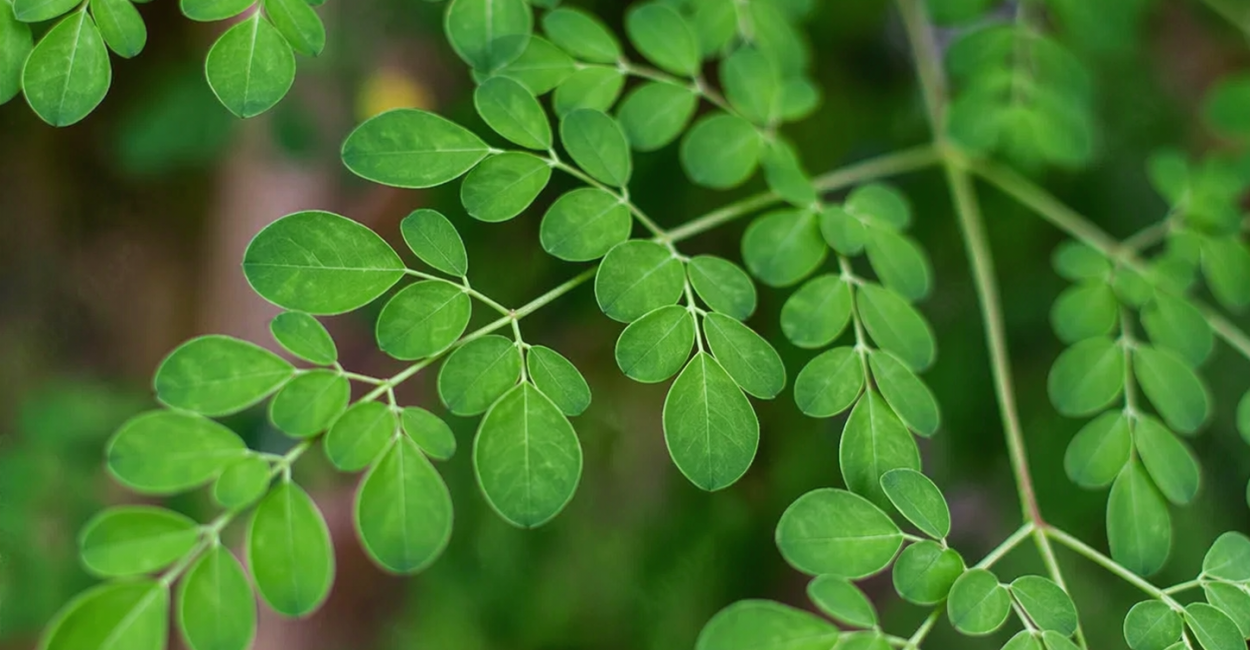
Moringa oleifera global agribusiness is emerging as one of the most dynamic opportunities in tropical agriculture. This tree provides diverse commercial products—from leaf powder and seed oil to water-purifying seed cake—making it attractive to investors, producers, and processors seeking resilient revenue streams.
Demand drivers (superfood markets, plant-based protein, and climate-adaptive agriculture) are colliding with structural supply-side gaps: standardization, processing proximity, and traceability. Understanding the full value chain and where margins are captured is essential to convert cultivation into commercial success.
This article maps global production, value-chain economics, market gaps, and practical entry strategies for exporters, farmers, and agribusiness investors focused on the Moringa oleifera global agribusiness opportunity.
Moringa Oleifera Global Agribusiness Landscape
What is Driving Global Demand?
The Moringa oleifera global agribusiness is primarily demand-led: Europe’s supplement market, North American functional-food brands, and cosmetic formulators in France and Italy buy processed moringa ingredients. Buyers seek organic, traceable leaf powder and standardized extracts. This creates price differentiation between raw commodity leaves and certified, processed inputs.
As plant-based protein and climate resilience trends accelerate, moringa’s nutritional profile and drought tolerance make it strategically attractive. Exporters who can deliver certification and stable supply access premium channels and long-term contracts.
For first movers, aligning production with EU and US regulatory standards unlocks higher-margin customers and reduces sales friction.
Regional Production Map and Concentrations
India supplies roughly 80% of the world’s moringa volume, with the Philippines and Sri Lanka also exporting. Sub-Saharan Africa (Ghana, Kenya), Southeast Asia (Thailand, Malaysia), Latin America (Brazil, Peru), and emerging Mediterranean trials diversify supply but remain small.
This concentration creates supply risk: weather, logistics, or policy shifts in Asia ripple prices. Buyers therefore look for alternative, certified origins to secure supply continuity.
Geographic diversification is an entry strategy—Latin America’s climate and proximity to North America present a near-term arbitrage opportunity.
Key Market Metrics to Watch
Global moringa products were valued at ~$8.1B in 2023, projected to reach ~$15.4B by 2030 (CAGR ~9.5%). Leaf powder accounts for the largest share, while extracts grow fastest. Monitoring extract CAGR, organic certification adoption, and regional processing capacity gives early signals of premium demand.
Supply chain indicators—drying throughput, certified hectares, and export registrations—are leading metrics for prospective investors and trading partners.
Tracking those metrics helps prioritize investments in processing, certification, and traceability to capture margin.
Global Production Centers for Moringa Oleifera Agribusiness
South Asia Production Dynamics
India dominates the Moringa oleifera global agribusiness with ~1.1–1.3M tons/year. Production ranges from smallholder plots to commercial plantations. Policy support and processing hubs keep India’s share large, but quality varies widely.
Value capture occurs where drying and standardization happen; many Indian exporters have integrated processors that supply European and US brands.
Producers outside India must plan certification and quality control to compete on premium markets.
Sub-Saharan Africa and Commercialization
- Ghana: emerging processing cooperatives
- Kenya: pilot feed-additive trials
- Zambia: local oil cold-pressing ventures
- South Africa: intercropping/climate trials
Sub-Saharan Africa hosts both small-scale food uses and growing commercial actors. Investment in drying infrastructure and cooperative models can convert subsistence cultivation into export-ready material.
Regional programs and NGO-supported initiatives often seed the market, creating procurement pipelines for corporate buyers.
Southeast Asia and Latin America Prospects
Southeast Asia supplies processed powder and oil for regional markets, while Latin America (Brazil, Peru, Paraguay) is underleveraged despite suitable climates and proximity to North America.
Latin American producers can compete on freshness, traceability, and shipping times—advantages for perishable leaf forms and premium buyers.
Building certified, localized processing in Latin America is a first-mover strategy with high upside.
| Region | Commercial Profile | Key Opportunity |
|---|---|---|
| South Asia | High volume, mixed quality, strong processors | Premium certification, export scale |
| Sub-Saharan Africa | Smallholder growth, NGO support | Cooperative processing |
| Latin America | Low export presence, ideal climate | First-mover certified supply |
Full Value Chain: Products and Where Margin is Captured
Leaf Powder, Extracts, and Nutraceuticals
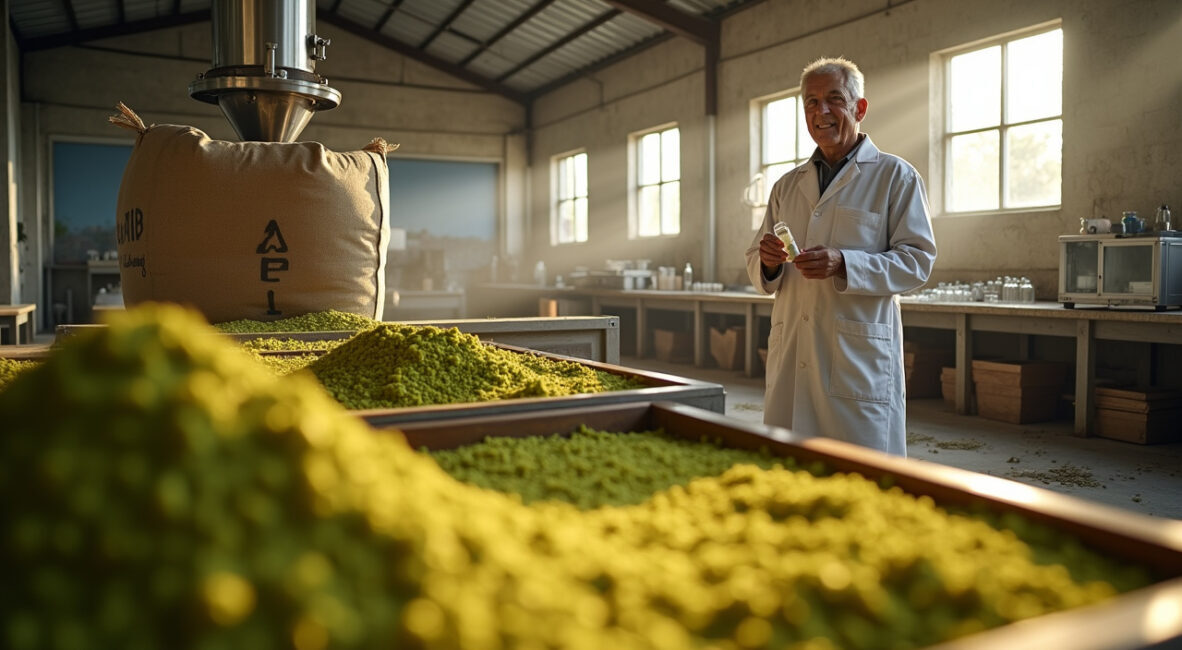
Leaf powder dominates revenue share in many markets; extracts are the fastest-growing segment for nutraceutical and cosmetic formulators due to standardized actives. Processing (rapid drying, micronizing) and lab-based standardization capture most margin here.
Certification (USDA Organic, EU organic, GMP) and COAs are purchase prerequisites for premium buyers. Without them, producers sell at commodity prices to intermediaries.
Investing in small-scale dryers, labs, and traceability systems shifts value capture from buyers to producers.
Seed Oil, Cake, and Industrial Uses
Cold-pressed moringa oil competes with argan in cosmetics; seed cake is valuable for water purification and animal feed. Oil extraction and refinement are capital-intensive but add significant value per hectare.
Integration—seed harvest timing, on-site pressing, and responsible solvent-free processing—maximizes returns and opens cosmetic and industrial markets.
Vertical integration from seed to refined oil plus branded product lines lifts margins beyond commodity leaf sales.
Fresh Pods, Biomass, and Feed Applications
Fresh pods serve local food markets; biomass and leaf residues convert to high-protein animal feed, aiding circularity. Feed additive trials show improved feed conversion ratios in broilers, signaling a scalable commercial endpoint.
Co-processing (leaf powder plus feed formulation) diversifies revenue and reduces waste disposal costs.
Linking moringa into local feed industries creates stable off-take and price floors for producers.
Why Invest Now in Moringa Oleifera Global Agribusiness
Superfood and Premium Market Momentum
European demand led in 2024, with Germany, Italy, and France among top buyers. Consumers prefer organic, traceable ingredients, creating premium pricing for certified producers in the Moringa oleifera global agribusiness.
Brands in the EU and US require compliance with food-safety and labeling rules; securing these certifications opens access to large, repeat markets.
Investors should prioritize market-compliant processing, COAs, and credible traceability from day one.
Plant-based Protein and Feed Markets
Moringa leaves offer ~25–30% protein by dry weight with a favorable amino-acid profile. Demand from plant-based food formulators and animal-feed integrators is nascent but growing, representing a structural market expansion.
Dedicated R&D into feed inclusion rates and processing for digestibility will accelerate adoption in poultry and aquafeed sectors.
Producers who validate performance in feed trials gain preferred supplier status and long-term contracts.
Climate Resilience and Land-use Advantages
Moringa thrives on marginal soils and low rainfall (as low as 250mm/year), making it ideal for climate-impacted regions. It restores degraded lands while producing commercial products, aligning with climate-smart agriculture goals.
Government programs and climate funds often fund initial planting, creating pathways to commercial procurement.
Scaling moringa on marginal lands diversifies rural incomes without displacing staple crops on prime farmland.
Key Challenges and Market Gaps in Moringa Agribusiness
Standardization, Testing, and Certification Gaps
There is no global standard for moringa powder nutrient content or extract markers, creating buyer uncertainty. Lack of harmonized benchmarks increases transaction costs and limits premium sales for many producers.
Investing in local labs, consistent drying protocols, and third-party certification reduces buyer risk and compresses sales cycles.
Quality assurance is the single most important entry barrier a new commercial supplier must solve.
Processing Proximity and Logistics
- Leaves must be dried within 24 hours for nutrient retention
- Lack of local dryers forces exports of low-value raw material
- On-farm cooperative processors can retain margin
- Cold chain for fresh pods is underdeveloped
- Improving drying capacity increases export readiness
Processing proximity determines margin capture. Without rapid drying facilities, producers concede value to distant processors and intermediaries.
Developing mobile dryers, cooperative processing hubs, or contracting with regional processors are practical solutions to reclaim value.
Traceability, Sustainability, and Policy Risks
Buyers in the EU and US increasingly require traceable supply chains and sustainability credentials. Countries without supportive policies or recognized schemes risk exclusion from premium markets.
National programs (e.g., India’s moringa initiatives, the Philippines’ Moringa Bill) stimulate production and create institutional buyers. Producers must align with evolving regulatory expectations.
Transparent, audited traceability systems are a competitive differentiator for new origin suppliers.
Practical Road Map to Building a Moringa Agribusiness
Site Selection, Planting, and Agronomy
Select sites with 250–1,200mm annual rainfall, pH 4.5–8.0 soils, and low frost risk. Seed sourcing from certified nurseries and training on pruning, spacing, and pest management determine yields and leaf quality.
Intercropping and agroforestry models can add income while preserving soil. Pilot plots with controlled drying tests validate local processing timelines.
Good agronomy ensures consistent leaf biomass and predictable harvest windows for processing.
Processing, Standardization, and Product Specs
- Install solar or hybrid dryers for 24-hour dehydration
- Implement GMP and HACCP protocols in processing
- Contract third-party labs for nutrient and contaminant testing
- Develop product specs (moisture, particle size, marker compounds)
- Package with traceable lot codes and COAs
Processing decisions determine which market segments you can serve—leaf powder, extracts, or oil. Early investment in standardization pays off through faster market access and higher prices.
Meeting EU/US buyer specs reduces time-to-contract and builds trust with importers.
Market Channels, Buyers, and Pricing Strategy
Identify buyers by segment: supplement brands and pharmacies (Europe), cosmetic formulators (France/Italy), food brands and feed manufacturers (US/Asia). Pricing depends on certification, moisture, and COA availability.
Long-term contracts with price floors or indexation mitigate volatility. Blended models (spot + contract) balance cash flow and growth.
Building direct relationships with buyers in Germany, the Netherlands, and the US accelerates premium market entry; trade shows and supplier audits are essential.
| Product | Typical Buyer |
|---|---|
| Leaf powder (certified) | EU supplement brands, health retailers |
| Seed oil | Cosmetic formulators, specialty retailers |
| Seed cake | Water treatment NGOs, feed manufacturers |
Strategic Call to Action for Investors and Producers
Where to Place Capital and Resources
Invest in drying and lab infrastructure, organic/GMP certification, and traceability systems. Capital directed at processing proximity (mobile dryers, cooperatives) yields faster margin capture than acreage expansion alone.
Joint ventures with local producer groups that include technical assistance and access to certification funding reduce execution risk and accelerate exports.
Investors should prioritize near-shore origins (Latin America) and value-chain integration for durable margins.
Partnership Models and Risk Mitigation
Use contract farming to secure raw material while sharing certification costs. Offtake agreements with EU/US buyers can finance processing and certification investments through pre-pay or milestone payments.
Insurance against climatic shocks and adaptive agronomy practices reduce downside risk for lenders and equity partners.
Blended finance—public grants, impact capital, and commercial lenders—works well for moringa projects that deliver social and environmental benefits.
Policy, Advocacy, and Long-term Scaling
Engage with national agriculture ministries to align moringa cultivation with rural development programs; policy support often unlocks technical extension and market linkages. Participate in standard-setting initiatives to shape export requirements favorably.
Scaling requires building supplier clusters, accredited labs, and regional processing hubs that replicate quality consistently across seasons.
Early movers who combine technical rigor with policy engagement will set commercial standards and capture the best margins.
Conclusion
Moringa oleifera global agribusiness offers a rare combination of product diversity, climate resilience, and growing premium demand. The crop’s multiple revenue streams—from leaf powder and extracts to seed oil and water-purifying cake—mean nearly zero waste and multiple routes to monetization.
Producers and investors who solve standardization, processing proximity, and traceability will capture outsized returns as the market expands toward a projected $15.4B by 2030. Act now: invest in certified processing, build traceable supply chains, and secure offtake with EU and US buyers.
FAQ — Frequently Asked Questions
What Makes Moringa Commercially Valuable Compared to Other Tropical Crops?
Moringa’s commercial value lies in its full-value spectrum: leaf powder for supplements, standardized extracts for cosmetics and pharmaceuticals, cold-pressed seed oil, and seed cake for water purification and feed. Its drought tolerance and low-input profile also allow cultivation on marginal land, reducing competition with staple crops and offering resilient revenue streams. This combination of multiple high-value products, climate adaptability, and low waste differentiates it from single-product tropical commodities.
How Quickly Can a New Producer Reach Export-grade Quality and Certification?
With focused investment in processing and quality systems, a producer can typically achieve basic export readiness and organic/GMP prerequisites within 12–18 months. Key steps include certified seed or clone selection, rapid post-harvest drying protocols, third-party lab testing for contaminants and nutrient markers, and applying for organic or GMP certification. Partnerships with experienced processors or accelerators can shorten timelines and de-risk market entry.
Which Moringa Products Yield the Highest Margins for Small Producers?
For small producers, value capture is highest from processed leaf powder sold to supplement brands and from cold-pressed seed oil sold to cosmetic formulators—provided products carry organic or GMP certification. Investing in cooperative drying and basic lab testing lifts quality and price per kilogram substantially above raw leaf commodity rates. Seed cake used locally for water treatment or feed adds incremental revenue streams with modest processing costs.
What Are the Main Risks When Entering the Moringa Export Market?
Main risks include quality inconsistency, lack of certification, post-harvest degradation due to slow drying, and regulatory barriers in target markets (EU/US). Market concentration—especially India’s dominant supply position—creates price volatility if sourcing alternatives are not secured. Mitigation involves investing in rapid drying, lab testing, certification, long-term offtake agreements, and geographic diversification to reduce supply-chain shocks.
How Can Investors Evaluate a Moringa Agribusiness Opportunity Quickly?
Evaluate by auditing three pillars: agronomy (yield and harvest logistics), processing (drying capacity and quality control), and market access (existing buyer relationships and certifications). Check proof-of-concept feed or extract trials, sample COAs from third-party labs, and the ability to meet buyer specs. Projects with on-site or nearby certified drying and a committed offtake offer the clearest path to profitable scaling.
Sources: Grand View Research, Persistence Market Research, and industry reports on moringa production and trade.