Skip to content
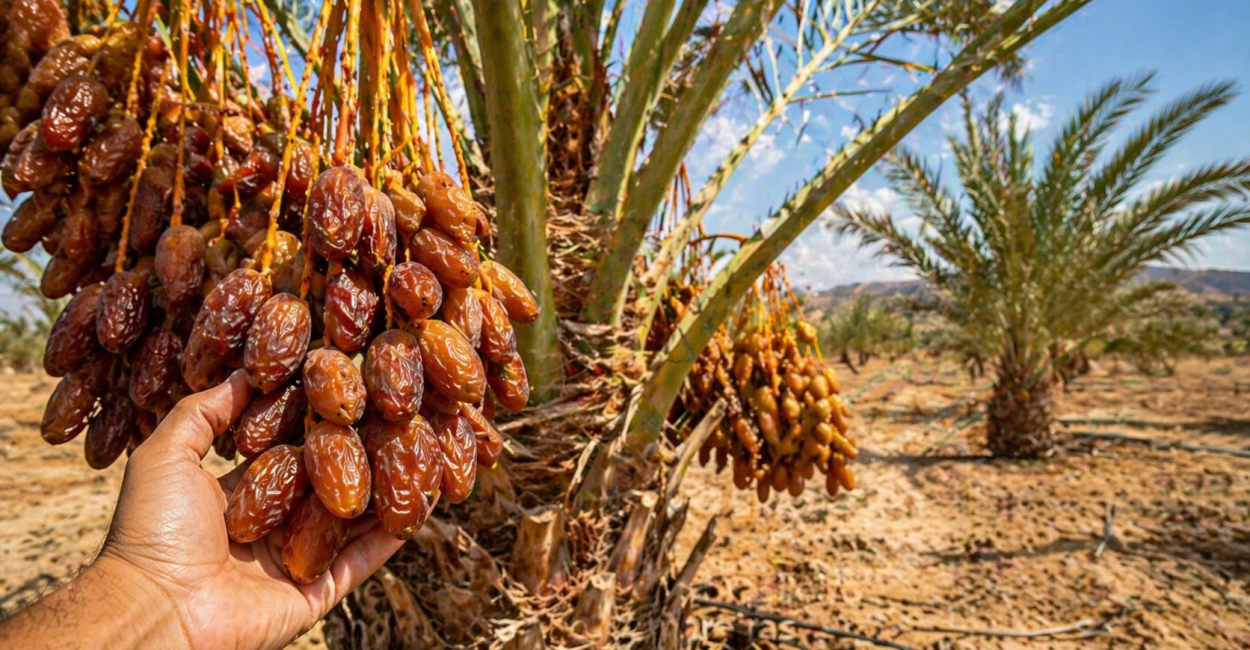
While the world pays record prices for imported Medjool dates from the Middle East, Brazil is quietly revealing it has the ideal climate to grow them — and few people know it yet. Medjool date palm cultivation Brazil matters because the global date market is booming and the semiarid Northeast offers near-identical conditions to Egypt and Israel, allowing Brazilian producers to compete on quality and timing.
This article explains why Medjool date palm cultivation Brazil is a strategic opportunity, covering market dynamics, technical production steps, economics, challenges and a roadmap for scale. Keep reading to discover why Brazil’s dry Northeast may be the world’s next date palm powerhouse.
Global Medjool Market Opportunity for Medjool Date Palm Cultivation Brazil
Market Size and Premium Positioning
The global date market is projected at $31.39 billion in 2026, rising toward $44.07 billion by 2031; Medjool commands roughly 40.43% of that value in 2026. Medjool date palm cultivation Brazil targets the premium segment where size, texture and a caramel-like flavor justify prices up to three times higher than common varieties. For new Brazilian producers, this means a high-value export and domestic retail opportunity if quality and post-harvest logistics match global standards.
Key Demand Regions and Market Drivers
Primary consumer regions include Europe, North America, Asia and the Middle East. Demand drivers are health-food trends, use of dates as a natural sweetener, and premium snacking and confectionery segments. Medjool date palm cultivation Brazil can tap into off-season windows, organic demand and growing interest in sustainably produced superfoods, giving Brazilian exporters strategic timing advantages versus Middle Eastern suppliers.
Comparative Economics Table
| Metric | Global (2026) | Medjool Share |
|---|---|---|
| Market Value | $31.39B | 40.43% |
| Expected CAGR | — | 9.4% (2025–2033) |
| Premium Pricing | $8–$20/kg export | Up to 3x regular dates |
Why Medjool Stands Out for Medjool Date Palm Cultivation Brazil
Nutritional Profile and Consumer Perception
- High fiber content and natural sugars for energy
- Rich in potassium, magnesium and antioxidants
- Perceived as a superfood and natural sweetener
- Strong appeal in health-food and gourmet markets
Medjool dates are positioned as a premium nutritious fruit. Their soft, large flesh and caramel notes make them ideal for direct consumption, culinary uses and value-added products. For producers, emphasizing organic and sustainable practices enhances marketability and price realization in Europe and North America.
History and the “King of Dates” Narrative
Medjool’s origin traces to Moroccan and North African cultivation traditions, later expanded in the Middle East. The variety earned the moniker “King of Dates” due to its size, sweetness and labor-intensive production practices. Medjool date palm cultivation Brazil can leverage this heritage while building a distinct branding tied to Northeast Brazil’s unique terroir and harvest calendar.
Varietal Comparison and Premium Pricing
Compared with Deglet Noor and Ajwa, Medjool is larger, softer and more expensive. While Deglet Noor is firmer and used in industrial processing, Medjool commands premium prices in fresh-fruit markets and gourmet channels. Brazilian growers focusing on Medjool can capture higher margins but must meet strict post-harvest and quality controls to maintain premium positioning.
Brazil’s Semiarid Edge for Medjool Date Palm Cultivation Brazil
Climate Parallels and Regional Advantages
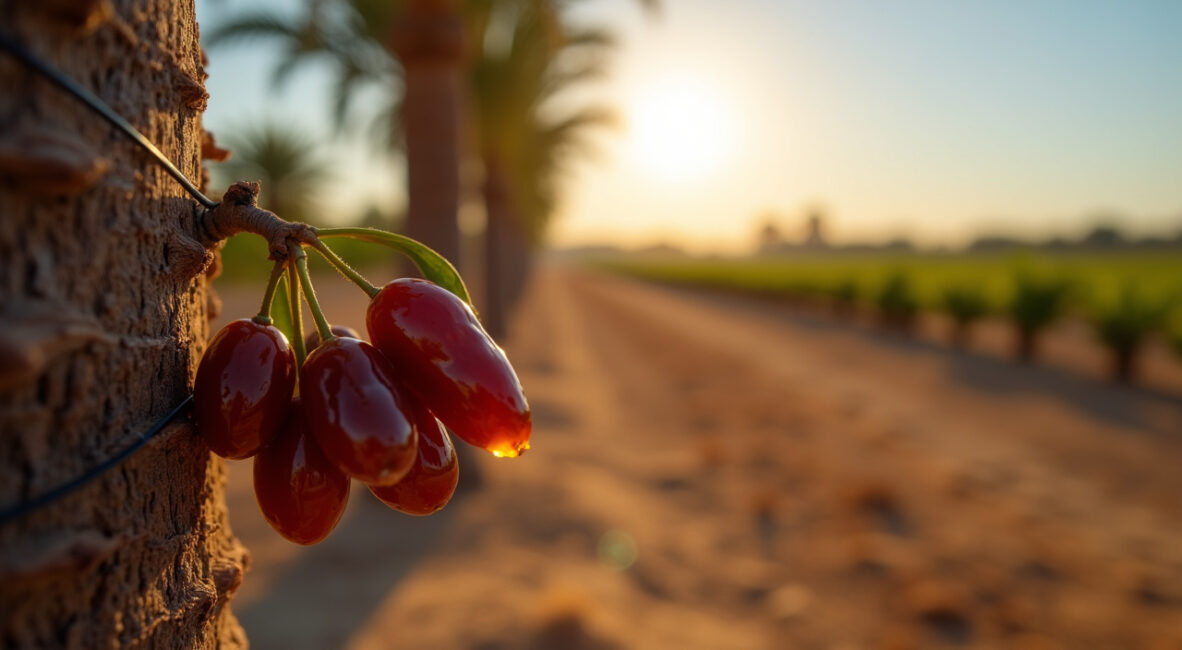
The semiarid Northeast covers roughly one million km² with hot, dry, sunny conditions favorable for date palms. Annual temperatures (26–35°C) and low-to-moderate humidity mirror key date-producing regions, enabling Medjool date palm cultivation Brazil to achieve fruit quality comparable to Egypt or Saudi Arabia. Sunshine hours and dry ripening seasons reduce disease pressure and support sugar concentration in fruits.
Water Sources and Irrigation Technology
Water availability via the São Francisco river integration project and local reservoirs supports irrigated orchards. Drip irrigation adapted to date palms ensures efficient water use and precise scheduling; saline- and drought-tolerant rootstocks further optimize performance in semi-arid soils. For growers, irrigation design and scheduling are central to yield stability and fruit size.
Promising States and Soil Mapping
Bahia, Pernambuco, Paraíba, Rio Grande do Norte and Ceará offer the best combination of climate, land availability and access to irrigation infrastructure. Soil types range sandy-clay to sandy-loam; selection of well-drained sites and foundation amendments are routine steps for successful Medjool date palm cultivation Brazil and long-term orchard health.
History and Research Foundations for Medjool Date Palm Cultivation Brazil
Early Introductions and Research Trajectory
Date palms arrived in Brazil in 1928, but remained a marginal crop for decades. Only recently has institutional research focused on commercial Medjool production. Embrapa and university programs in the Northeast have advanced agronomy, variety adaptation and propagation methods critical for scaling Medjool date palm cultivation Brazil to commercial levels.
Pioneers and Technology Transfer
Pioneering work by agronomists such as Magdi Aloufa at UFRN and collaborative projects with foreign experts introduced propagation protocols and field trials. These efforts, combined with Embrapa’s 2023 publication on Medjool production technologies, provide a practical base for growers to transition from pilot plots to larger commercial farms.
Policy, Extension and Institutional Support
Public irrigation projects, rural credit lines and extension programs create a supportive environment. Continued partnerships with Israeli and Egyptian institutions accelerate knowledge transfer, while research on rootstocks, pest management and post-harvest handling reduces barriers for broader Medjool date palm cultivation Brazil adoption.
Technical Growing Guide for Medjool Date Palm Cultivation Brazil
Seedling Selection, Propagation and Planting
- Prefer offshoot propagation for genetic true-to-type plants
- Tissue culture for scale and disease-free stock
- Acquire certified seedlings from accredited nurseries
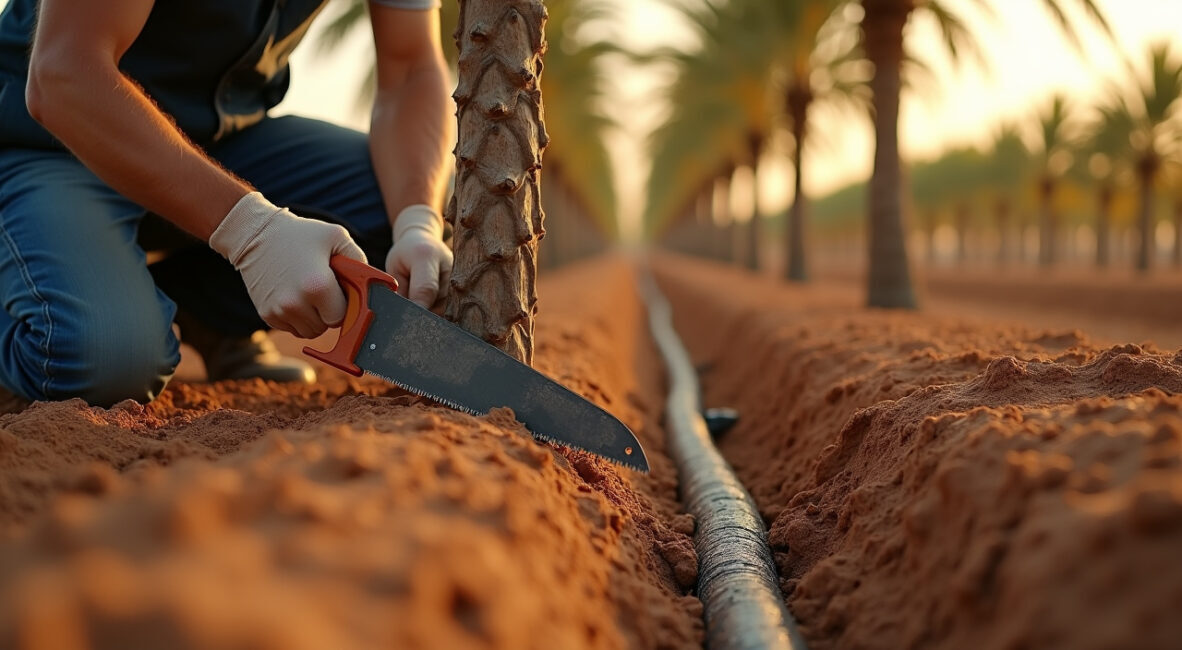
Propagation starts with offshoot separation when juvenile shoots reach sufficient size; tissue culture can rapidly scale certified material. Maintain a male-to-female ratio of about 1:40–50 for controlled pollination. Proper nursery hygiene and certified material reduce disease risk and ensure uniform orchard establishment for Medjool date palm cultivation Brazil.
Soil, Spacing and Foundation Fertility
Ideal soils are sandy to sandy-loam, well-drained with pH 7.0–8.0. Recommended spacing is roughly 8m x 8m (about 156 plants/ha). Foundation fertilization and deep ripping remove hardpans and build root volume. Soil testing guides liming and baseline nutrient additions to secure robust early growth and long-term productivity for Medjool orchards.
Irrigation, Pollination and Crop Management
Drip irrigation is the efficiency standard; fully productive plants may use 200–300 liters/plant/day in peak season. Manual pollination is essential — collect and store male pollen and conduct assisted pollination from August to October in the Northeast. Fruit thinning, bunch management and timely harvest at Rutab stage preserve fruit size and market quality central to Medjool date palm cultivation Brazil success.
Economics and Viability of Medjool Date Palm Cultivation Brazil
Revenue Potential and Cost Structure
Premium Medjool export prices range $8–$20/kg, while Brazilian retail can reach R$80–R$150/kg. Mature orchards can yield 80–120 kg/plant; estimated revenue per hectare in full production is $15,000–$30,000 annually. Initial investments are high due to planting material, irrigation and cold-chain needs, but per-hectare revenue potential compares favorably versus other semi-arid crops.
Comparative Returns and Payback Timeline
| Crop | Revenue/ha/year (USD) |
|---|---|
| Medjool dates | $15,000–$30,000 |
| Mango | $4,000–$8,000 |
| Grapes | $8,000–$15,000 |
Payback is typically 8–12 years given the 4–6 year juvenile period before full production. Long-term investors view Medjool date palm cultivation Brazil as an asset-like perennial crop, similar to high-quality cacao or olive groves, with strong lifetime returns under sound management.
Financing and Market Entry Strategies
Financing options include Pronaf, Pronamp and regional BNB FNE Verde lines for infrastructure and working capital. Strategic entry can begin with pilot blocks and contract farming with exporters or cooperatives to secure market access. Value-chain integration—packing, cold storage and export logistics—is crucial to capture premiums and ensure consistent quality.
Challenges and Competitive Advantages for Medjool Date Palm Cultivation Brazil
Operational Hurdles and Mitigation
- Limited certified seedling supply — scale tissue culture and nurseries
- Labor and training needs for manual pollination
- Cold-chain gaps for export — invest in refrigerated logistics
Challenges include scarcity of certified planting material, the need for skilled labor for pollination and a nascent refrigeration network in interior regions. Mitigations include public–private nursery development, targeted training programs and cooperative investments in cold storage and packing houses to enable exports and preserve premium fruit quality.
Brazil’s Inherent Competitive Edges
Lower labor costs, abundant semi-arid land and access to São Francisco water give Brazil cost advantages versus Israel, the US (California) and some Middle Eastern producers. Proximity to Europe and North America shortens logistics lanes, potentially lowering freight costs and offering complementary harvest windows for global markets.
Regulatory and Phytosanitary Considerations
Importing genetic material remains bureaucratic; strict phytosanitary protocols are necessary to avoid pest introductions. Strengthening national certification systems, harmonizing export standards and utilizing Embrapa research to validate local rootstocks and pest management practices are essential steps to scale Medjool date palm cultivation Brazil responsibly.
Conclusion
Medjool date palm cultivation Brazil has a compelling combination of market demand, climatic suitability, institutional research and emerging infrastructure. The semiarid Northeast offers a near-ideal environment, while public projects and research provide the technical base to scale.
Brazil has the climate, the land and the water — it now needs scale and investment. Do you think Brazil has what it takes to become a global Medjool date producer? Share your thoughts in the comments below.
FAQ — Medjool Date Palm Cultivation Brazil
How Long Until Medjool Date Palms Start Producing in Brazil?
In Brazil’s semiarid conditions, Medjool palms generally begin fruiting in 4 to 6 years after planting, with full commercial yields often reached by years 7–10. Early establishment practices—correct spacing, irrigation and pollination—accelerate juvenile growth and quality. Careful offshoot selection or tissue-cultured certified plants reduce variability. Initial years require investment in training for manual pollination and canopy management to secure consistent production and higher fruit size expected from Medjool date palm cultivation Brazil.
What is the Ideal Irrigation System for Medjool in the Northeast?
Drip irrigation is the recommended standard for Medjool palms in Brazil’s semiarid Northeast because it delivers water efficiently to the root zone, limits salinity issues and supports controlled fertigation schedules. Emitters with higher flow rates for deep rooting, pressure regulation and regular maintenance reduce clogging. Properly designed drip systems combined with soil monitoring ensure trees receive 200–300 liters per plant per day at peak production while conserving scarce water resources essential for sustainable Medjool date palm cultivation Brazil.
Where Can Growers Source Certified Medjool Seedlings in Brazil?
Certified Medjool seedlings are increasingly available through specialized nurseries linked to Embrapa research centers, university programs and private tissue-culture labs. Look for nurseries with phytosanitary certification and traceable mother-plant records. Establishing contracts with accredited suppliers or participating in cooperative nursery projects reduces disease risk and ensures genetic fidelity — a critical step for quality-focused Medjool date palm cultivation Brazil and long-term orchard performance.
Are Medjool Dates Profitable Compared to Other Semi-arid Crops?
Yes, at maturity Medjool orchards often yield higher revenue per hectare than many semi-arid crops, with estimated returns of $15,000–$30,000/ha/year under good management. However, initial capital and a longer payback period (8–12 years) make Medjool a long-term investment. Profitability depends on yield, fruit size, post-harvest handling and market access; integrating export channels and cold-chain solutions improves margins for Medjool date palm cultivation Brazil.
What Are the Main Pests and Diseases to Watch for in Brazil?
Date palms face threats like red palm weevil, fungal leaf spots and sap-sucking insects; dry conditions reduce some fungal pressure but irrigation mismanagement can increase risks. Implement integrated pest management, routine monitoring and the use of clean planting material. Collaborative research with Embrapa and international partners helps adapt control methods to local pests, ensuring resilient Medjool date palm cultivation Brazil systems that meet export phytosanitary standards.