Skip to content
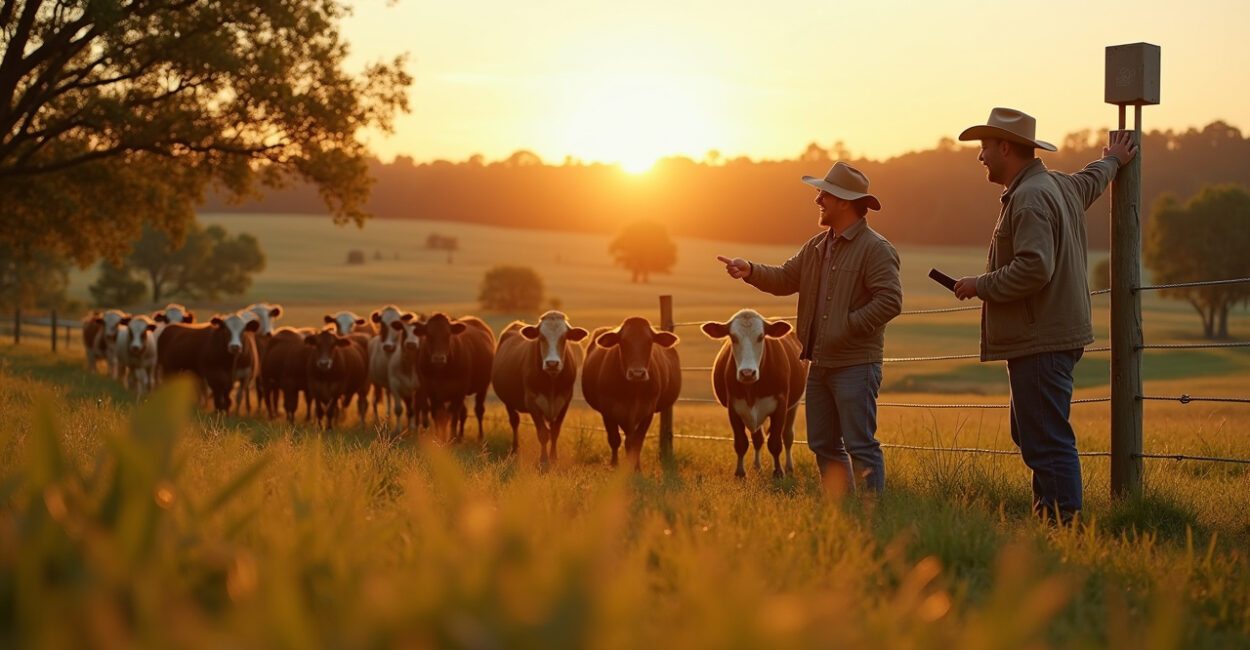
Livestock farming has long been a cornerstone of agriculture, but traditional methods often come at a significant environmental cost. Sustainable livestock farming integrates ecological balance, economic viability, and social responsibility to reduce climate risks while improving profitability. By adopting these practices, ranchers and veterinarians can contribute to healthier ecosystems and resilient agricultural economies.
This article explores how sustainable livestock farming works in practice, the challenges it faces, and the concrete strategies that local producers can implement to benefit both the planet and their bottom line. Understanding these approaches is crucial for anyone involved in animal husbandry, agriculture management, or veterinary care aiming to future-proof their operations.
The Core Insights on Sustainable Livestock Farming
- Sustainable livestock farming reduces greenhouse gas emissions by optimizing feed efficiency, manure management, and pasture use.
- Integrating rotational grazing and silvopastoral systems enhances soil health, biodiversity, and animal welfare simultaneously.
- Economic returns improve when producers adopt sustainable practices because of reduced input costs and access to premium markets.
- Technology and data-driven herd management allow precise interventions, minimizing environmental impact without sacrificing productivity.
- Despite its benefits, sustainable livestock farming demands context-specific adjustments based on local climate, species, and market conditions.
Understanding Sustainable Livestock Farming and Its Climate Impact
Sustainable livestock farming is the deliberate management of animal agriculture in ways that maintain productivity while minimizing environmental harm. Technically, it involves practices that reduce resource depletion, lower greenhouse gas emissions, and improve animal health—all without compromising the economic viability of farms.
In simple terms, this means raising cattle, sheep, goats, or other livestock with respect for the land and climate, using methods that protect natural resources and ensure the long-term success of the farm. For example, adopting rotational grazing systems prevents pasture degradation, which in turn supports carbon sequestration in soils.
Greenhouse gases from livestock—especially methane from enteric fermentation and nitrous oxide from manure—are major contributors to climate change. Sustainable practices target these emissions through feed additives, better manure handling, and pasture management, directly addressing the environmental costs of traditional farming.
“Sustainable livestock farming is not just an environmental necessity; it is a practical approach that aligns profitability with ecological stewardship.”
Rotational Grazing and Pasture Management to Enhance Sustainability
Rotational grazing is a pillar of sustainable livestock farming. It involves moving animals systematically between pastures to allow vegetation recovery and maintain soil health. This method contrasts sharply with continuous grazing, which often leads to soil compaction, erosion, and loss of biodiversity.
By controlling grazing pressure, producers encourage deep root growth, which improves soil organic matter and water retention. Additionally, well-managed pastures act as carbon sinks, capturing atmospheric CO2. This practice also reduces the need for supplemental feed, lowering operational costs.
- Rotational grazing cycles typically last from a few days to several weeks depending on forage growth rates.
- Incorporating legumes and diverse plant species enhances nitrogen fixation and forage quality.
- Silvopastoral systems combine trees with grazing, offering shade, wind protection, and additional carbon storage.
“The difference between degraded pastures and thriving ecosystems often depends on grazing timing and intensity, not just livestock density.”

Manure Management Techniques for Emission Reduction and Soil Fertility
Manure is both a resource and a challenge in livestock farming. When improperly managed, it releases methane and nitrous oxide—potent greenhouse gases. Sustainable practices focus on capturing these emissions and recycling nutrients to improve soil fertility.
Techniques such as composting, anaerobic digestion, and solid-liquid separation optimize manure use. Anaerobic digesters, for instance, produce biogas that can be used as renewable energy, offsetting fossil fuel consumption.
In addition, applying composted manure to fields enhances soil structure and microbial activity, promoting healthier crops and pastures. Proper timing and application rates are essential to prevent nutrient runoff that can pollute waterways.
Feed Optimization and Animal Health as Key Factors in Sustainability
Feed efficiency directly influences the environmental footprint of livestock. By improving the nutritional quality and digestibility of feed, farmers can reduce methane emissions per unit of animal product. This requires knowledge of animal nutrition and access to quality feed resources.
Veterinarians play a critical role by monitoring herd health, preventing disease, and advising on best practices that reduce stress and improve productivity. Healthy animals convert feed more efficiently, leading to lower environmental impact and better economic returns.
- Incorporating feed additives like oils or tannins can reduce methane emissions from digestion.
- Precision feeding helps tailor diets individually, minimizing waste and nutrient excretion.
- Regular health checks and vaccinations prevent outbreaks that could disrupt production and increase resource use.
Technology and Data-Driven Approaches in Sustainable Livestock Farming
Modern technology enhances the ability to implement sustainable livestock farming at scale. Sensors, drones, and GPS tracking provide real-time data on herd location, pasture conditions, and animal health. This information allows for precision management that reduces inputs and environmental impacts.
Data analytics can identify inefficiencies, predict disease, and optimize breeding strategies. For example, automated feeders and waterers reduce waste, while remote monitoring limits the need for frequent physical checks, lowering labor costs.
However, technology adoption depends on investment capacity and technical know-how, which can be challenging for smallholders.
Economic Benefits and Market Opportunities for Sustainable Producers
Adopting sustainable livestock farming can create competitive advantages. Reduced input costs, such as feed and veterinary care, improve profit margins. Moreover, consumers increasingly demand products with verified sustainability credentials, opening access to premium markets.
Certification schemes like organic, grass-fed, or animal welfare labels validate sustainable practices and allow producers to charge higher prices. Additionally, some governments and NGOs provide financial incentives or technical support to encourage adoption.
Still, transitioning requires upfront investment and a long-term perspective. Producers must balance immediate costs with future gains while navigating fluctuating market conditions.
Limitations and Challenges in Implementing Sustainable Livestock Farming
While sustainable livestock farming offers clear benefits, it is not a one-size-fits-all solution. Local climate, soil type, available technology, and cultural practices heavily influence what strategies are feasible and effective.
For instance, rotational grazing may be impractical in arid regions with limited forage growth. Likewise, anaerobic digesters require capital investment that small-scale farmers might not afford without subsidies.
There is also no universal agreement on the best mitigation techniques for methane emissions, as research continues to evolve. Producers must therefore adapt practices to their unique circumstances and remain flexible as new information emerges.
“Sustainable livestock farming requires continuous learning and adaptation; what works in one region may not translate directly to another.”
Next Steps to Integrate Sustainable Livestock Farming Into Your Operation
Start by assessing your current livestock practices and identifying areas of inefficiency or environmental risk. Engage with local agricultural extension services or veterinary experts to develop a customized plan incorporating rotational grazing, manure management, and feed optimization.
Consider pilot projects to test new technologies or methods before full-scale adoption. Explore certification programs and market opportunities that could increase profitability. Stay informed on emerging research and policy incentives that support sustainable livestock farming.
Taking deliberate action today will position your operation to thrive amid increasing environmental challenges and consumer expectations.
What Makes Livestock Farming Sustainable?
Sustainable livestock farming balances animal production with environmental stewardship, economic viability, and social responsibility. It involves practices that reduce greenhouse gas emissions, enhance soil and water quality, improve animal welfare, and support local economies. Key techniques include rotational grazing, improved feed efficiency, and effective manure management. This approach ensures that farms remain productive without degrading natural resources, contributing to climate mitigation and long-term food security.
How Does Rotational Grazing Improve Farm Sustainability?
Rotational grazing involves moving livestock between pastures to allow vegetation to recover, preventing overgrazing and soil degradation. This practice promotes deeper root systems, enhances soil organic matter, and increases carbon sequestration. It also improves forage quality and animal health, reducing the need for supplemental feed. Consequently, rotational grazing decreases environmental impact while supporting higher productivity and profitability on farms.
What Role Do Veterinarians Play in Sustainable Livestock Farming?
Veterinarians ensure animal health and welfare, which are critical for sustainable livestock farming. They diagnose and prevent diseases, recommend nutrition plans, and advise on humane handling practices. Healthy animals utilize feed more efficiently and produce fewer emissions per unit of product. Veterinarians also support herd management strategies that align with sustainability goals, making them essential partners for producers aiming to reduce environmental impact.
Are There Financial Benefits to Adopting Sustainable Livestock Practices?
Yes, sustainable livestock farming can improve profitability by reducing input costs such as feed, water, and veterinary care. It also opens access to premium markets through certification programs emphasizing environmental and animal welfare standards. Additionally, some governments provide subsidies or incentives for sustainable practices. While initial investments may be required, the long-term economic gains and risk mitigation justify the transition.
What Challenges Limit the Adoption of Sustainable Livestock Farming?
Challenges include the need for upfront capital investment, technical knowledge, and adapting practices to local environmental conditions. Not all methods are suitable everywhere—for example, rotational grazing depends on pasture availability, and advanced manure management technologies may be costly. There is also ongoing scientific debate about the best mitigation techniques for emissions. Producers must tailor solutions to their specific context and be prepared for continual learning.